What does Luke 6:16 mean?
"And Judas the brother of James, and Judas Iscariot, which also was the traitor." - Luke 6:16
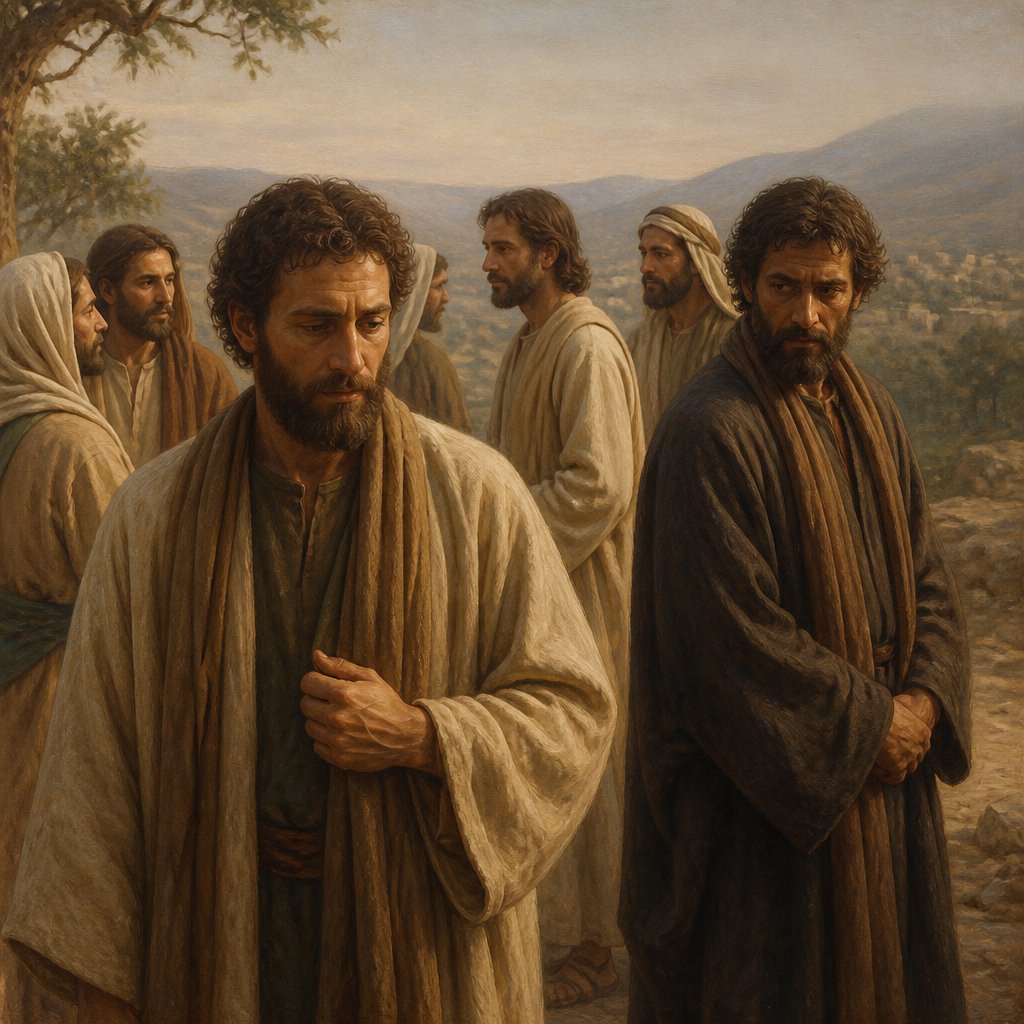
Luke 6:16 (KJV) states, "And Judas the brother of James, and Judas Iscariot, which also was the traitor." This verse is part of a larger passage in which Jesus chooses his twelve apostles. In this selection, Jesus carefully selects twelve men to be his closest disciples and to carry on his ministry after his departure. The significance of this verse lies in the inclusion of Judas Iscariot, who would later betray Jesus, among the chosen apostles.
The context of this verse is crucial to understanding its full meaning. Prior to selecting the twelve apostles, Jesus spends the night in prayer to God. After seeking divine guidance, Jesus calls his disciples to himself and from there he selects the twelve apostles, including Judas Iscariot. The fact that Jesus chose Judas Iscariot, knowing that he would later betray him, has led to much speculation and debate among theologians and scholars.
One theme that can be gleaned from this verse is the idea of divine sovereignty and foreknowledge. Jesus, being fully divine, had the foreknowledge of Judas' betrayal. This choice to include Judas as one of his apostles highlights the idea that even in the midst of betrayal and human failure, God's purposes will ultimately prevail. This is a theme that resounds throughout the Bible, emphasizing God's omniscience and ultimate control over all things, even the actions of individuals.
Another theme present in this verse is the idea of free will and personal responsibility. Despite being chosen as one of the twelve apostles, Judas still had the freedom to choose his actions. The fact that he ultimately chose to betray Jesus reveals the complex interplay between God's sovereignty and human agency. This raises important questions about the nature of sin, forgiveness, and redemption.
The inclusion of Judas Iscariot as one of the twelve apostles also serves as a powerful symbol of the depth of God's love and grace. Despite knowing that Judas would betray him, Jesus still chose him to be one of his closest followers. This act of inclusion speaks to the expansive and unconditional nature of God's love, which extends even to those who will ultimately reject and betray him.
This verse also points to the complexities of human nature and the challenges of discipleship. Judas Iscariot was a complex figure, and his story serves as a cautionary tale about the dangers of greed, betrayal, and the consequences of our choices. It reminds us that even those who are closest to Jesus are not immune to temptation and sin, and that true discipleship requires constant vigilance and commitment to following Christ.
In conclusion, Luke 6:16 (KJV) holds deep significance within the larger narrative of Jesus' ministry and the establishment of the twelve apostles. It speaks to themes of divine sovereignty, free will, love and grace, and the complexities of human nature. The inclusion of Judas Iscariot as one of the chosen apostles serves as a powerful reminder of God's redemptive plan and the challenges of discipleship. This verse invites reflection on the nature of sin, forgiveness, and the enduring love of God, offering profound insights for believers and seekers alike.
Have questions about Luke 6:16?
Dive deeper into this scripture with Bible Chat — an AI-powered tool for exploring God's Word through conversation. Ask questions, get context, and grow in your understanding of the Bible.
Get Our Apps


Luke 6:16 Artwork

Luke 6:16 - "And Judas the brother of James, and Judas Iscariot, which also was the traitor."
"And Judas the brother of James, and Judas Iscariot, which also was the traitor." - Luke 6:16

Luke 16:6 - "And he said, An hundred measures of oil. And he said unto him, Take thy bill, and sit down quickly, and write fifty."

Luke 8:16

luke 4:16

Luke 6

Luke 16:1-13

Luke 16:1-1313

Luke 16:22-26

Luke 16:1-13

Luke 16:1-13

Luke 2:16 - 21

Luke 16:16 - "The law and the prophets were until John: since that time the kingdom of God is preached, and every man presseth into it."

luke 6:30

luke 6: 27

Luke 5:16 - "¶ And he withdrew himself into the wilderness, and prayed."
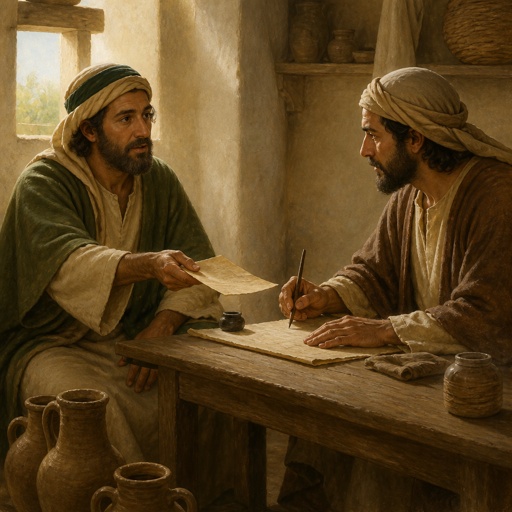
"And he said, An hundred measures of oil. And he said unto him, Take thy bill, and sit down quickly, and write fifty." - Luke 16:6

Luke 24:16 - "But their eyes were holden that they should not know him."

Luke 23:16 - "I will therefore chastise him, and release him."

Luke 6: 27-38

Luke 6:21-26

Luke 13:6-9

Luke 3:1-6

Luke 3:1-6

Luke 6:27-38

Luke 6:21-26

luke 3:1-6

Luke 11:16 - "And others, tempting him, sought of him a sign from heaven."

Luke 2:16 - "And they came with haste, and found Mary, and Joseph, and the babe lying in a manger."

Genesis 16:6