What does Luke 16:6 mean?
"And he said, An hundred measures of oil. And he said unto him, Take thy bill, and sit down quickly, and write fifty." - Luke 16:6
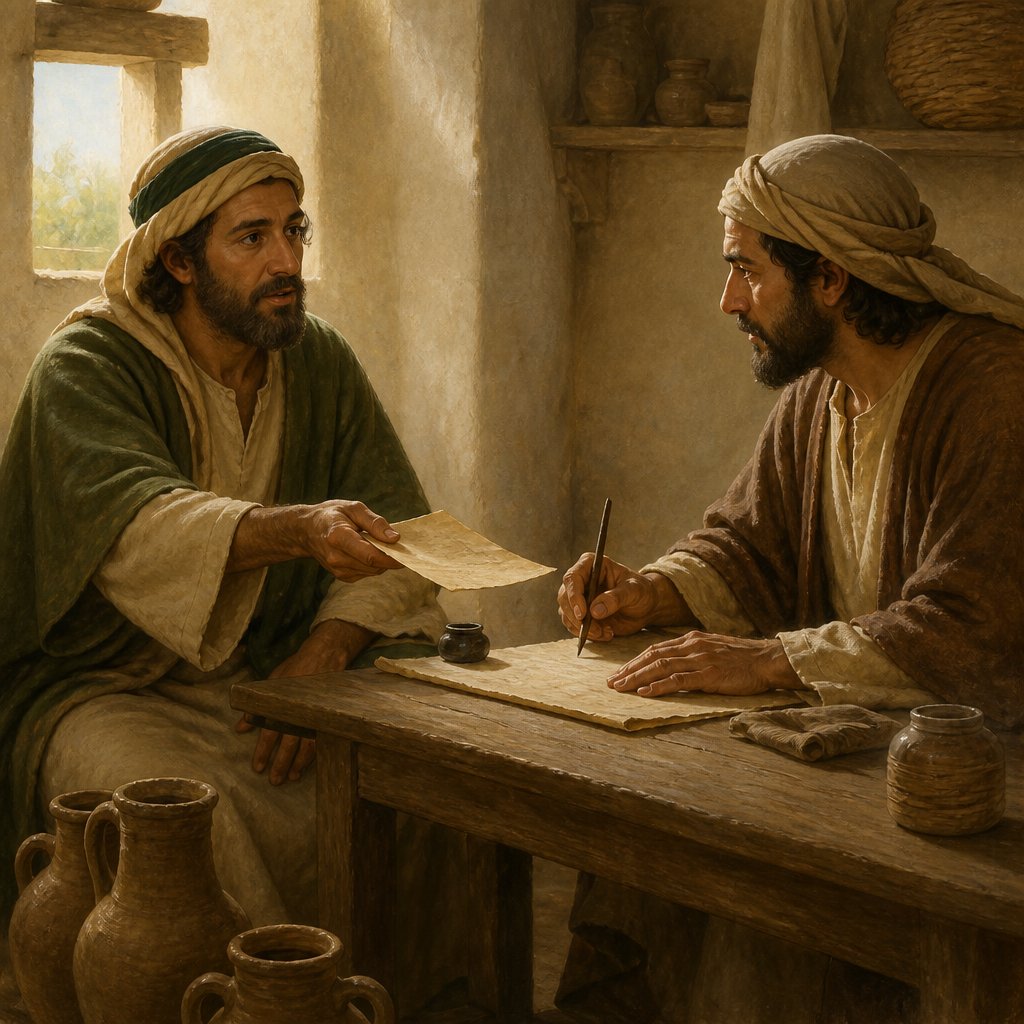
The Bible verse Luke 16:6 in the King James Version (KJV) reads, "And he said, An hundred measures of oil. And he said unto him, Take thy bill, and sit down quickly, and write fifty." This verse is part of a larger parable in which Jesus is teaching his disciples and the Pharisees about the proper use of money and resources.
In the parable, a rich man discovers that his steward has been wasting his possessions. The steward is called to give an account of his actions before the rich man, who then tells him that he will be fired. In his panic, the steward comes up with a shrewd plan to secure his future. He goes to each of the rich man's debtors and reduces the amount they owe, in order to make friends who will help him when he is out of a job.
The verse in question, Luke 16:6, is part of the conversation between the steward and one of the debtors. The steward asks the debtor how much he owes, and when the debtor responds with "An hundred measures of oil," the steward instructs him to take his bill and write fifty. This action is part of the steward's plan to secure goodwill with the debtors and ensure his future well-being.
The parable as a whole is meant to convey a deeper spiritual lesson about the nature of wealth and worldly possessions. It serves as a warning against the love of money and the potential for it to corrupt one's heart. The steward's actions, while shrewd and worldly-wise, are not to be emulated for the sake of material gain. Rather, the lesson to be drawn from the parable is the need for wisdom and prudence in the use of material resources, and the importance of using wealth in ways that align with God's values and eternal purposes.
One of the key themes in this parable is the concept of stewardship. The steward in the parable is entrusted with the management of his master's resources, and is ultimately held accountable for his actions. This concept of stewardship extends beyond the financial realm and encompasses all aspects of life. As Christians, we are called to be good stewards of the resources, talents, and opportunities that God has given us. This includes using our wealth and possessions in ways that honor God and benefit others, rather than being selfish or wasteful.
Another important theme in this parable is the contrast between earthly and heavenly treasures. Jesus often spoke about the dangers of placing too much emphasis on material wealth, and the parable of the shrewd steward serves as a reminder that worldly riches are ultimately temporary and can lead to spiritual bankruptcy if pursued at the expense of one's relationship with God. Instead, Jesus encourages his followers to store up treasures in heaven, where they will have eternal value.
The context of this parable is also significant. Jesus tells this story as part of a series of teachings about money and possessions, which are prompted by the grumbling of the Pharisees and scribes who are listening to him. They are described as "lovers of money" in verse 14, and Jesus uses this parable to challenge their attitudes and priorities. By using a story about financial matters, Jesus is able to address deeper spiritual truths about the human heart and the choices that people make in their pursuit of wealth.
When considering the symbolism in Luke 16:6, the actions of the shrewd steward can be seen as a metaphor for the need for believers to be wise and strategic in their use of resources. Just as the steward was seeking to secure his future by making friends with the debtors, Christians are called to use their wealth and possessions in ways that have lasting impact and eternal significance. This can include acts of generosity, supporting ministries and causes that further the kingdom of God, and using financial resources to help those in need.
In conclusion, Luke 16:6 is a verse within a larger parable that offers valuable insights into the proper use of money and resources. It highlights the importance of stewardship, the contrast between earthly and heavenly treasures, and the need for wisdom and prudence in financial matters. The context of the parable underscores the spiritual significance of these teachings, and the symbolism in the actions of the shrewd steward provides a powerful analogy for the way that believers are called to approach their financial resources. By understanding and applying the lessons of this parable, Christians can seek to align their attitudes and actions regarding money with God's kingdom priorities.
Have questions about Luke 16:6?
Dive deeper into this scripture with Bible Chat — an AI-powered tool for exploring God's Word through conversation. Ask questions, get context, and grow in your understanding of the Bible.
Get Our Apps


Luke 16:6 Artwork

Luke 16:6 - "And he said, An hundred measures of oil. And he said unto him, Take thy bill, and sit down quickly, and write fifty."
"And he said, An hundred measures of oil. And he said unto him, Take thy bill, and sit down quickly, and write fifty." - Luke 16:6

Luke 6:16 - "And Judas the brother of James, and Judas Iscariot, which also was the traitor."
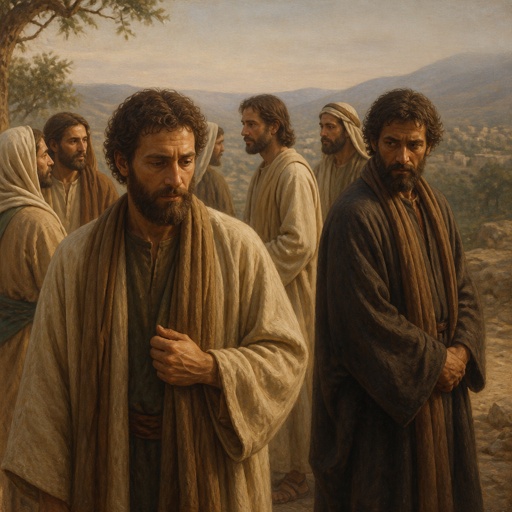
"And Judas the brother of James, and Judas Iscariot, which also was the traitor." - Luke 6:16

Luke 8:16

luke 4:16

Luke 6

Luke 16:1-13

Luke 16:1-1313

Luke 16:22-26

Luke 16:1-13

Luke 16:1-13

Luke 2:16 - 21

Luke 16:16 - "The law and the prophets were until John: since that time the kingdom of God is preached, and every man presseth into it."

luke 6: 27

luke 6:30

Luke 5:16 - "¶ And he withdrew himself into the wilderness, and prayed."

Luke 24:16 - "But their eyes were holden that they should not know him."

Luke 23:16 - "I will therefore chastise him, and release him."

Luke 6: 27-38

Luke 6:21-26

Luke 13:6-9

Luke 3:1-6

Luke 3:1-6

Luke 6:27-38

Luke 6:21-26

luke 3:1-6

Luke 11:16 - "And others, tempting him, sought of him a sign from heaven."

Luke 2:16 - "And they came with haste, and found Mary, and Joseph, and the babe lying in a manger."

Genesis 16:6