What does Romans 8:14-17 mean?
"For as many as are led by the Spirit of God, they are the sons of God. For ye have not received the spirit of bondage again to fear; but ye have received the Spirit of adoption, whereby we cry, Abba, Father. The Spirit itself beareth witness with our spirit, that we are the children of God: And if children, then heirs; heirs of God, and joint-heirs with Christ; if so be that we suffer with him, that we may be also glorified together." - Romans 8:14-17

Romans 8:14-17 in the King James Version (KJV) of the Bible states, "For as many as are led by the Spirit of God, they are the sons of God. For ye have not received the spirit of bondage again to fear; but ye have received the Spirit of adoption, whereby we cry, Abba, Father. The Spirit itself beareth witness with our spirit, that we are the children of God: And if children, then heirs; heirs of God, and joint-heirs with Christ; if so be that we suffer with him, that we may be also glorified together."
This passage from the Book of Romans is rich with profound truths about the Christian faith and the believer's identity in Christ. It speaks to the transformative power of the Holy Spirit in the life of a believer, as well as the new relationship with God that comes through adoption into His family. In this commentary, we will explore the themes, context, and symbolism found within these verses.
One of the key themes in this passage is the leading of the Spirit of God. The Apostle Paul, the author of Romans, emphasizes that those who are led by the Spirit are the sons of God. This speaks to the intimate and personal relationship that believers have with God through the indwelling of the Holy Spirit. It also highlights the necessity of surrendering to the guidance of the Spirit in order to live as true children of God.
Paul contrasts this new relationship with God to the "spirit of bondage" that leads to fear. He reminds the believers in Rome that they have been set free from the bondage of sin and fear through the Spirit of adoption. This concept of adoption was significant in the Roman culture of the time, as it signified the legal transfer of a child from one family to another, with all the rights and privileges of a natural-born child. In a similar way, believers are adopted into God's family and given the full rights and privileges of His children.
The use of the term "Abba, Father" is also significant in this context. "Abba" is an Aramaic term of endearment, similar to "Daddy" or "Papa" in English. It reflects the intimate and affectionate relationship that believers have with God as their Father. It demonstrates the closeness and accessibility of God to His children, and the assurance of His love and care for them.
The passage goes on to speak of the witness of the Spirit with our spirit, affirming our identity as children of God. This speaks to the inner assurance and conviction that comes from the Holy Spirit, bearing witness to our status as heirs of God. This assurance is based on the work of the Spirit in the believer's life, confirming their adoption and inheritance as children of God.
The final verses speak of the privilege of being heirs of God and joint-heirs with Christ. This signifies the incredible blessing and inheritance that believers have in Christ. It speaks to the future glory that awaits them, as well as the present reality of sharing in Christ's suffering. This underscores the believer's participation in the redemptive work of Christ and the promise of being glorified together with Him in eternity.
The context of this passage is important to consider as well. The Book of Romans was written by the Apostle Paul to the believers in Rome, addressing themes of sin, salvation, and the righteousness of God. In the preceding chapters, Paul speaks at length about the bondage of sin and the freedom found in Christ. He also addresses the role of the Holy Spirit in the life of a believer and the assurance of salvation through faith in Christ.
In light of this context, Romans 8:14-17 serves as a powerful declaration of the believer's identity and security in Christ. It emphasizes the transformation that comes through the Holy Spirit, the intimacy of the believer's relationship with God as their Father, and the hope of future glory as joint-heirs with Christ. It reinforces the central themes of salvation and adoption into God's family that are woven throughout the Book of Romans.
Symbolism is also present in this passage, particularly in the imagery of adoption and inheritance. Adoption symbolizes the believer's new status as a child of God, with all the rights and privileges that come with it. It speaks to the personal and intimate nature of the believer's relationship with God as their loving Father. Inheritance symbolizes the future blessings and glory that await believers as joint-heirs with Christ. It speaks to the hope and assurance of eternal life and the fulfillment of God's promises to His children.
In conclusion, Romans 8:14-17 in the King James Version of the Bible is a powerful and profound declaration of the believer's identity and security in Christ. It speaks to the transformative work of the Holy Spirit, the intimacy of the believer's relationship with God, and the hope of future glory as joint-heirs with Christ. It encapsulates the themes of salvation, adoption, and inheritance that are central to the Christian faith, and it offers deep reassurance and encouragement to believers in their walk with God.
Have questions about Romans 8:14-17?
Dive deeper into this scripture with Bible Chat — an AI-powered tool for exploring God's Word through conversation. Ask questions, get context, and grow in your understanding of the Bible.
Get Our Apps


Romans 8:14-17 Artwork

"For those who are led by the Spirit of God are the children of God. The Spirit you received does not make you slaves, so that you live in fear again; rather, the Spirit you received brought about your adoption to sonship. And by him we cry, “Abba, Father.” The Spirit himself testifies with our spirit that we are God’s children. Now if we are children, then we are heirs—heirs of God and co-heirs with Christ, if indeed we share in his sufferings in order that we may also share in his glory." - Romans 8:14-17

Romans 8:14

Romans 8:14 - "For as many as are led by the Spirit of God, they are the sons of God."

Romans 14:17 - "For the kingdom of God is not meat and drink; but righteousness, and peace, and joy in the Holy Ghost."

depict the theme of Romans 13:8-14

"For as many as are led by the Spirit of God, they are the sons of God." - Romans 8:14
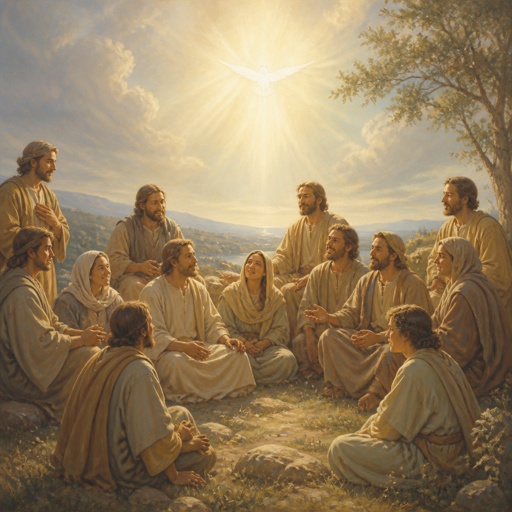
"For the kingdom of God is not meat and drink; but righteousness, and peace, and joy in the Holy Ghost." - Romans 14:17

Illustrate the concept of Time to Wake Up: Living with Urgency and Love found in Romans 13:8-14.

Illustrate the concept of Time to Wake Up: Living with Urgency and Love found in Romans 13:8-14.

Illustrate the concept of Time to Wake Up: Living with Urgency and Love found in Romans 13:8-14.

Illustrate the concept of Time to Wake Up: Living with Urgency and Love found in Romans 13:8-14.

Illustrate the concept of Time to Wake Up: Living with Urgency and Love found in Romans 13:8-14.

Romans 14:8 - "For whether we live, we live unto the Lord; and whether we die, we die unto the Lord: whether we live therefore, or die, we are the Lord's."

Romans 10:17

Romans 10:17

Romans 10:17

Romans 8:17 - "And if children, then heirs; heirs of God, and joint-heirs with Christ; if so be that we suffer with him, that we may be also glorified together." The image should not depict explicit or offensive content but be symbolic.

Romans 10:17

Romans 10:17

Romans 10:17

Romans 16:17

Romans 10:17

Romans 16:17

Romans 10:17

Romans 16:17

Romans 14:7-8 - "For none of us lives to himself, and no one dies to himself. For if we live, we live to the Lord; and if we die, we die to the Lord. Therefore, whether we live or die, we are the Lord’s."

Romans 8

romans 8

Romans 14:12

Romans 10:14