What does Luke 1:13 mean?
"But the angel said unto him, Fear not, Zacharias: for thy prayer is heard; and thy wife Elisabeth shall bear thee a son, and thou shalt call his name John." - Luke 1:13

The bible verse Luke 1:13 in the King James Version (KJV) reads: "But the angel said unto him, Fear not, Zacharias: for thy prayer is heard; and thy wife Elisabeth shall bear thee a son, and thou shalt call his name John."
This verse is part of the Gospel of Luke, which recounts the story of the birth of John the Baptist. The context of this verse is the announcement of John's miraculous conception to his father, Zacharias, by the angel Gabriel. The announcement is made while Zacharias is serving as a priest in the temple, and it comes as a response to his prayer for a child with his wife, Elisabeth, who was unable to conceive due to her advanced age.
The theme of this verse is the fulfillment of God's promise through the birth of John the Baptist. Zacharias and Elisabeth had been devoutly praying for a child, and their prayers were finally answered by God through the intervention of the angel. This theme speaks to the power of patience, faith, and divine intervention in the lives of believers.
The context of this verse is significant in understanding the broader narrative of the birth of John the Baptist. The angel Gabriel's announcement to Zacharias is a key moment in the fulfillment of the Old Testament prophecies regarding the coming of a messenger to prepare the way for the Messiah. John the Baptist is recognized as the forerunner of Jesus Christ, and his birth is a crucial step in the unfolding of God's plan for the salvation of humanity.
Symbolically, this verse represents the divine intervention in the lives of believers and the fulfillment of God's promises. The angel's reassurance to Zacharias to not be afraid emphasizes the message of hope and trust in God's plan. It also symbolizes the transformative power of prayer and the faithfulness of God in responding to the needs and desires of his people.
Additionally, the naming of John holds symbolic significance. In biblical times, names carried great significance and often conveyed a person's purpose or destiny. In this case, the name "John" was given to the child by the angel and holds symbolic meaning as "God is gracious" or "God has shown favor." This name underscores the miraculous nature of John's conception and reinforces the idea of God's benevolence and grace in fulfilling his promises.
Overall, Luke 1:13 in the KJV is a significant verse in the Gospel narrative, carrying themes of faith, divine intervention, and the fulfillment of God's promises. It serves as a powerful reminder of the transformative power of prayer and the faithfulness of God in bringing about his plans for the salvation of humanity. The symbolism of the verse further emphasizes the grace and favor of God in the lives of believers, and the naming of John serves as a testament to God's providential care and purpose for each individual.
Have questions about Luke 1:13?
Dive deeper into this scripture with Bible Chat — an AI-powered tool for exploring God's Word through conversation. Ask questions, get context, and grow in your understanding of the Bible.
Get Our Apps


Luke 1:13 Artwork

Luke 1:13

Luke 1:13

Luke 1:13

Luke 1:13

Luke 1:13

Luke 1:13

Luke 1:13 - "But the angel said unto him, Fear not, Zacharias: for thy prayer is heard; and thy wife Elisabeth shall bear thee a son, and thou shalt call his name John."

"But the angel said unto him, Fear not, Zacharias: for thy prayer is heard; and thy wife Elisabeth shall bear thee a son, and thou shalt call his name John." - Luke 1:13

Luke 8:13

Luke 8:13

Luke 8:13

Luke 16:1-13

Luke 16:1-13

Luke 16:1-13

Luke 24:13-35

Luke 13:1 - "There were present at that season some that told him of the Galilaeans, whose blood Pilate had mingled with their sacrifices."

Luke 1:3 - "It seemed good to me also, having had perfect understanding of all things from the very first, to write unto thee in order, most excellent Theophilus,"

Luke 13:18-19

Luke 13:20-21

Luke 13:18-19

Luke 13:20-21
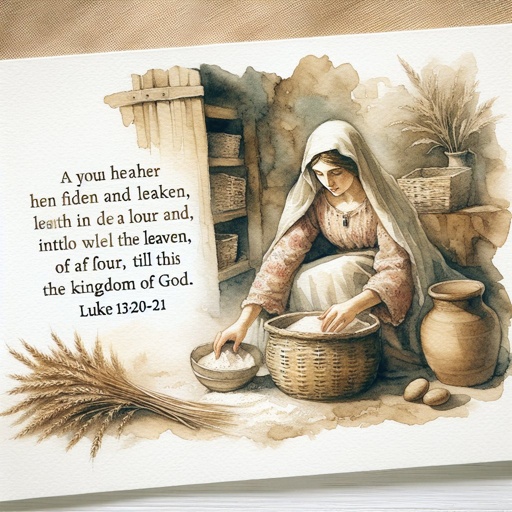
Luke 13:20-21

Luke 13:20-21

Luke 13:20-21

Luke 13:24

Luke 2:13

Luke 16:1-1313

Luke 13:13 - "And he laid his hands on her: and immediately she was made straight, and glorified God."

Luke 13:6-9

Luke 2:13-14