What does Luke 16:13 mean?
"¶ No servant can serve two masters: for either he will hate the one, and love the other; or else he will hold to the one, and despise the other. Ye cannot serve God and mammon." - Luke 16:13
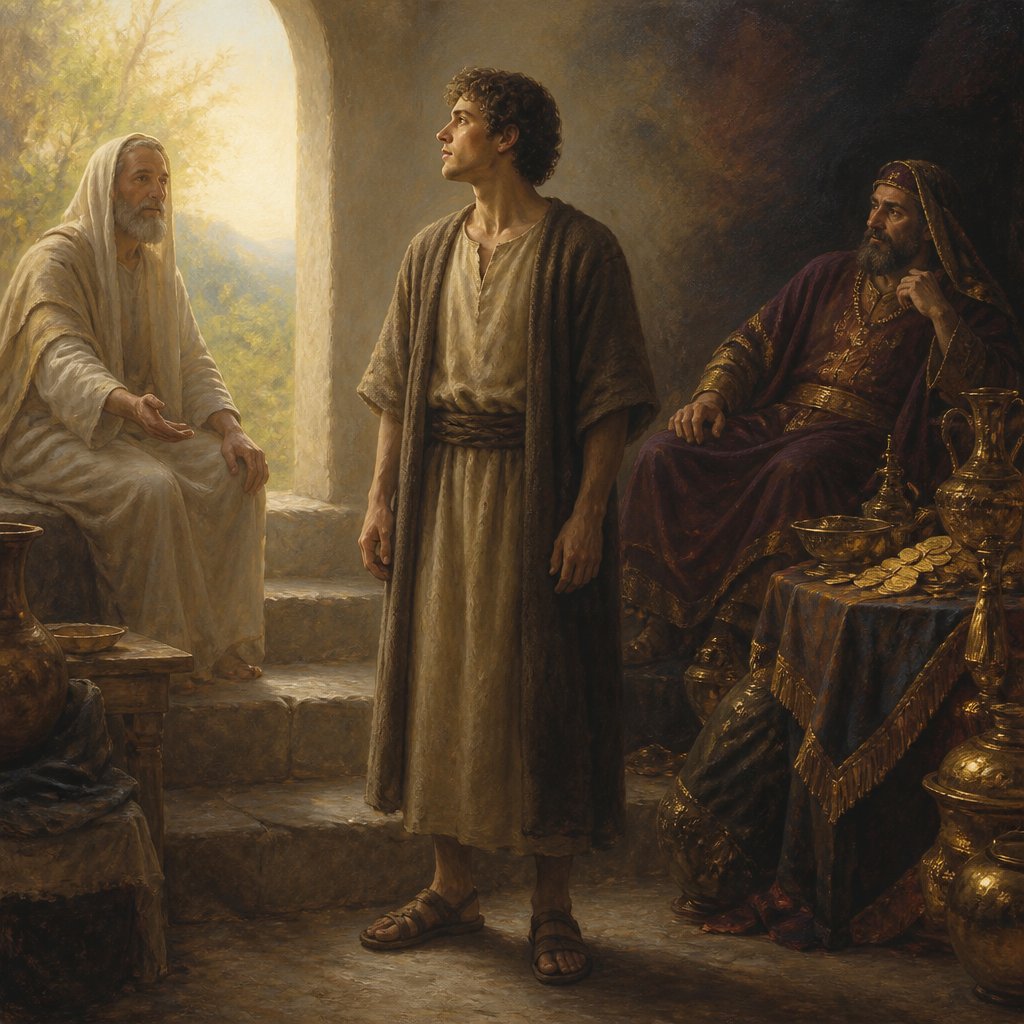
The Bible verse Luke 16:13 from the King James Version states, "No servant can serve two masters: for either he will hate the one, and love the other; or else he will hold to the one, and despise the other. Ye cannot serve God and mammon."
This verse addresses the idea of serving two masters, highlighting the impossibility of serving both God and wealth simultaneously. It suggests that we cannot live a life dedicated to both God and material possessions, as they require fundamentally different mindsets and priorities.
The context of this verse is found within the broader passage of Luke 16:1-13, in which Jesus tells the parable of the shrewd manager. In this parable, a manager is called to give an account of his stewardship before his master, and in an attempt to secure his future, he cleverly uses his master's wealth to make friends who will support him after he loses his job. Jesus uses this parable to convey a powerful message about the nature of wealth and the response it demands from those who possess it.
Throughout the New Testament, Jesus frequently discusses wealth and its spiritual implications. This particular verse in Luke 16:13 addresses the conflict between serving God and serving material wealth. The term "mammon" refers to material wealth or possessions, especially when they are pursued as a priority over spiritual or moral values. Jesus emphasizes that it is impossible to fully serve both God and the pursuit of wealth, as they represent entirely different ideologies and priorities.
The underlying theme of this verse is the principle of devotion and loyalty. It challenges individuals to consider where their priorities lie and whom they truly serve. By using the metaphor of serving two masters, Jesus encourages his audience to reflect on their allegiances and to prioritize their devotion to God above all else. This verse promotes the idea that true discipleship demands wholehearted dedication and cannot be divided between conflicting allegiances.
Furthermore, this verse serves as a warning against the potentially corrosive influence of material wealth. The pursuit of wealth and possessions can easily become an all-consuming and controlling force in a person's life, leading them away from spiritual fulfillment and a meaningful relationship with God. The verse suggests that one's devotion to wealth can ultimately lead to a rejection of God and His values, as the two are fundamentally incompatible.
The symbolism in this verse is powerful and multifaceted. The idea of serving two masters represents the inner struggle and conflict that individuals face when torn between their devotion to God and their pursuit of material gain. The concept of "mammon" symbolizes the seductive nature of worldly possessions and the potential for them to become idols that command our allegiance and devotion.
In conclusion, Luke 16:13 delivers a profound message about the incompatibility of serving both God and material wealth. It challenges believers to assess their priorities and allegiances and to recognize the potential dangers of pursuing material possessions at the expense of spiritual fulfillment. This verse encourages a reorientation of values and priorities, promoting a wholehearted devotion to God as the foundation of a meaningful and purposeful life. It presents a timeless and universal truth that continues to resonate with people of faith to this day.
Have questions about Luke 16:13?
Dive deeper into this scripture with Bible Chat — an AI-powered tool for exploring God's Word through conversation. Ask questions, get context, and grow in your understanding of the Bible.
Get Our Apps


Luke 16:13 Artwork

Luke 16:13 - "¶ No servant can serve two masters: for either he will hate the one, and love the other; or else he will hold to the one, and despise the other. Ye cannot serve God and mammon."

Luke 16:13 “No servant can serve two masters; for either he will hate the one and love the other, or else he will be loyal to the one and despise the other. You cannot serve God and mammon.”
"¶ No servant can serve two masters: for either he will hate the one, and love the other; or else he will hold to the one, and despise the other. Ye cannot serve God and mammon." - Luke 16:13

Luke 16:1-13

Luke 16:1-13

Luke 16:1-13

Luke 13:16 - "And ought not this woman, being a daughter of Abraham, whom Satan hath bound, lo, these eighteen years, be loosed from this bond on the sabbath day?"

Luke 16:1-1313

Luke 13:18-19

Luke 13:20-21

Luke 13:18-19

Luke 13:20-21
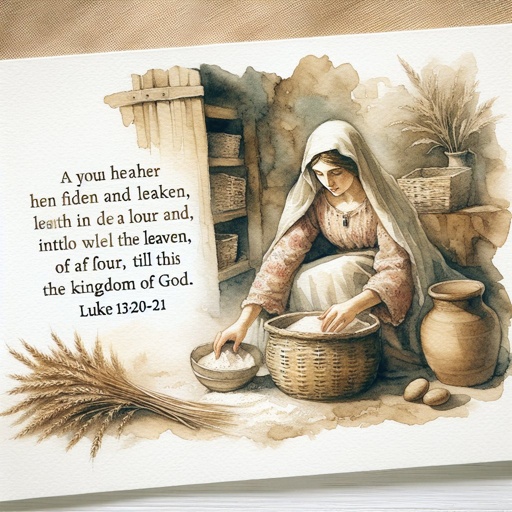
Luke 13:20-21

Luke 13:20-21

Luke 13:20-21

Luke 8:16

luke 4:16

Luke 8:13

Luke 1:13

Luke 1:13

Luke 8:13

Luke 13:24

Luke 1:13

Luke 8:13

Luke 1:13

Luke 1:13

Luke 2:13

Luke 1:13

Luke 16:22-26

Luke 2:16 - 21