What does Luke 13:16 mean?
"And ought not this woman, being a daughter of Abraham, whom Satan hath bound, lo, these eighteen years, be loosed from this bond on the sabbath day?" - Luke 13:16

The verse Luke 13:16 in the King James Version of the Bible reads, "And ought not this woman, being a daughter of Abraham, whom Satan hath bound, lo, these eighteen years, be loosed from this bond on the sabbath day?"
This verse is part of a larger passage in which Jesus is teaching in the synagogue on the Sabbath. He encounters a woman who has been crippled by a spirit for eighteen years, and he heals her by laying his hands on her. The leader of the synagogue, indignant that Jesus performed this healing on the Sabbath, says to the crowd, "There are six days in which men ought to work: in them therefore come and be healed, and not on the sabbath day" (Luke 13:14). Jesus then replies with the verse in question, defending his actions by pointing out that it is right for this woman, who is a daughter of Abraham, to be set free from her bondage on the Sabbath day.
This passage is rich with important themes and lessons. One of the central themes is the compassionate nature of Jesus and his concern for the oppressed and marginalized. The woman in the passage has been suffering from her condition for nearly two decades, and yet she is still faithfully attending the synagogue on the Sabbath. This demonstrates her deep faith and devotion to God, despite her physical limitations. Jesus, in healing her, shows his deep empathy for her suffering and his desire to see her set free from her bondage.
Another important theme in this passage is the clash between legalism and compassion. The leader of the synagogue represents a legalistic interpretation of the Sabbath laws, which prioritizes strict adherence to the rules over the well-being of individuals. Jesus, on the other hand, exemplifies a compassionate interpretation of the Sabbath, in which the needs of the suffering take precedence over rigid adherence to religious laws. This theme is a recurring one in the Gospels, as Jesus frequently challenges the legalism of the religious authorities in favor of a more merciful and inclusive approach to faith.
The context of this passage is also significant. It takes place in a synagogue, the place of worship for the Jewish people. By healing the woman in this setting, Jesus is not only demonstrating his compassion for the suffering, but also challenging the religious establishment of the time. He is showing that true faith is not about following rules and regulations, but about caring for those in need and acting with love and mercy.
In addition to the themes and context, there is also symbolism in this passage. The woman who is healed can be seen as a symbol of all those who are oppressed and suffering. Her physical affliction represents the many forms of bondage and oppression that people experience, whether it be physical, emotional, or spiritual. By healing her, Jesus demonstrates his power to set all people free from their burdens and to bring about restoration and wholeness.
Overall, Luke 13:16 is a powerful and poignant verse that encapsulates the compassionate ministry of Jesus and his commitment to setting the oppressed free. It challenges us to examine our own attitudes towards the marginalized and to consider whether we prioritize legalism or compassion in our own faith. It also reminds us of the transformative power of Jesus, who brings healing and liberation to all who are in need.
Have questions about Luke 13:16?
Dive deeper into this scripture with Bible Chat — an AI-powered tool for exploring God's Word through conversation. Ask questions, get context, and grow in your understanding of the Bible.
Get Our Apps


Luke 13:16 Artwork

Luke 13:16 - "And ought not this woman, being a daughter of Abraham, whom Satan hath bound, lo, these eighteen years, be loosed from this bond on the sabbath day?"

"And ought not this woman, being a daughter of Abraham, whom Satan hath bound, lo, these eighteen years, be loosed from this bond on the sabbath day?" - Luke 13:16

Luke 16:1-13

Luke 16:1-13

Luke 16:1-13

Luke 16:1-1313

Luke 16:13 - "¶ No servant can serve two masters: for either he will hate the one, and love the other; or else he will hold to the one, and despise the other. Ye cannot serve God and mammon."

Luke 16:13 “No servant can serve two masters; for either he will hate the one and love the other, or else he will be loyal to the one and despise the other. You cannot serve God and mammon.”

Luke 13:18-19

Luke 13:20-21

Luke 13:18-19

Luke 13:20-21
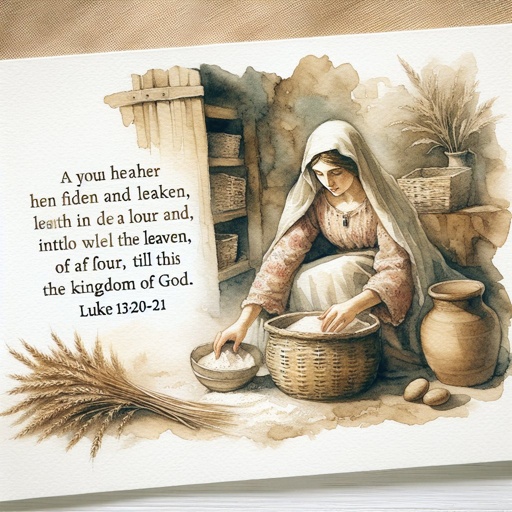
Luke 13:20-21

Luke 13:20-21

Luke 13:20-21

Luke 8:16

luke 4:16

Luke 8:13

Luke 1:13

Luke 1:13

Luke 8:13

Luke 13:24

Luke 1:13

Luke 8:13

Luke 1:13

Luke 1:13

Luke 2:13

Luke 1:13

Luke 16:22-26

Luke 2:16 - 21