What does Luke 13:14-16 mean?
"And the ruler of the synagogue answered with indignation, because that Jesus had healed on the sabbath day, and said unto the people, There are six days in which men ought to work: in them therefore come and be healed, and not on the sabbath day. The Lord then answered him, and said, Thou hypocrite, doth not each one of you on the sabbath loose his ox or his ass from the stall, and lead him away to watering? And ought not this woman, being a daughter of Abraham, whom Satan hath bound, lo, these eighteen years, be loosed from this bond on the sabbath day?" - Luke 13:14-16
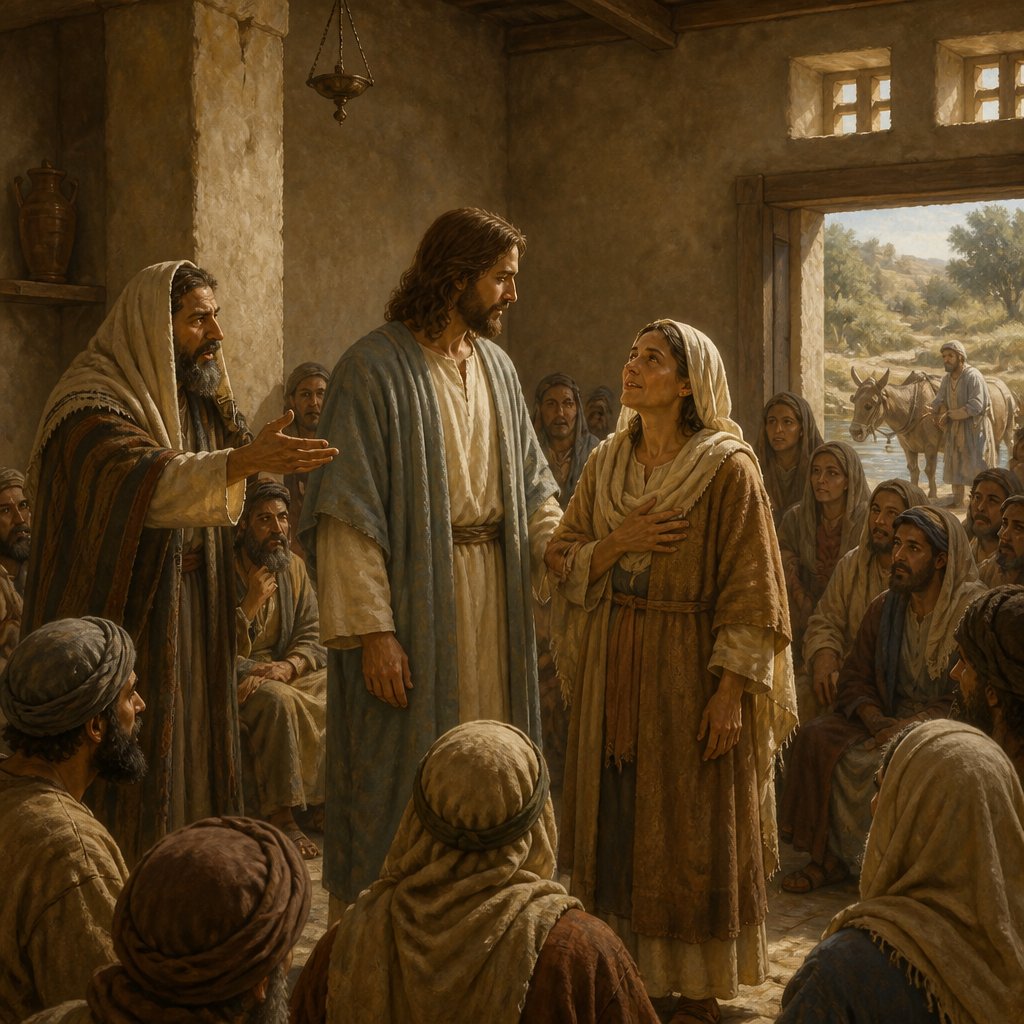
The Bible verse Luke 13:14-16 in the King James Version (KJV) reads:
“And the ruler of the synagogue answered with indignation, because that Jesus had healed on the sabbath day, and said unto the people, There are six days in which men ought to work: in them therefore come and be healed, and not on the sabbath day. The Lord then answered him, and said, Thou hypocrite, doth not each one of you on the sabbath loose his ox or his ass from the stall, and lead him away to watering? And ought not this woman, being a daughter of Abraham, whom Satan hath bound, lo, these eighteen years, be loosed from this bond on the sabbath day?”
This passage from the Gospel of Luke provides a glimpse into the conflict between Jesus and the religious leaders of his time. It takes place in the synagogue on the Sabbath day, a day of rest and worship for the Jewish people. In this passage, Jesus heals a woman who had been crippled by a spirit for eighteen years. The healing takes place on the Sabbath, and the ruler of the synagogue becomes indignant, chastising Jesus for performing work on the holy day.
The theme of this passage revolves around the conflict between legalism and compassion. The religious leader represents legalism, the strict adherence to the letter of the law without consideration for mercy and compassion. He criticizes Jesus for healing the woman on the Sabbath, citing the commandment to rest on that day. In contrast, Jesus illustrates the importance of mercy and compassion, emphasizing that the woman, as a daughter of Abraham, deserves to be freed from her suffering, even on the Sabbath. By healing her, Jesus demonstrates that acts of kindness and healing are not restricted by the Sabbath law.
This passage also highlights the hypocrisy of the religious leader. Jesus calls him a hypocrite, pointing out that he and others would untie their animals and lead them to water on the Sabbath, showing mercy and compassion to them. Yet, he condemns Jesus for showing the same kindness to a suffering woman. Jesus's words reveal the inconsistency in the leader's legalistic interpretation of the Sabbath law and the lack of compassion in his heart.
Symbolism is present in this passage through the woman who had been crippled for eighteen years. Her condition represents spiritual bondage and suffering, as she had been bound by Satan. Jesus's healing of her symbolizes freedom from spiritual oppression and the power of God to restore and heal. The Sabbath itself represents the rest and restoration that God provides for his people, and Jesus's actions emphasize that he is the Lord of the Sabbath, with the authority to bring healing and liberation.
The context of this passage is important in understanding its significance. During Jesus's ministry, he frequently clashed with the religious leaders of his time over matters of faith, tradition, and interpretation of the law. The Sabbath was a central part of Jewish religious observance, and Jesus's actions challenged the legalistic understanding of Sabbath observance. This passage is part of Jesus's broader teachings on the true meaning of the law, emphasizing mercy, justice, and the restoration of individuals and communities.
In conclusion, Luke 13:14-16 in the King James Version conveys a powerful message about the conflict between legalism and compassion, the hypocrisy of religious leaders, and the transformative power of Jesus's healing ministry. It underscores the importance of mercy and kindness, even in the observance of religious laws, and highlights Jesus's authority as the healer and liberator. This passage continues to resonate with believers today, challenging them to prioritize compassion and mercy in their faith and actions.
Have questions about Luke 13:14-16?
Dive deeper into this scripture with Bible Chat — an AI-powered tool for exploring God's Word through conversation. Ask questions, get context, and grow in your understanding of the Bible.
Get Our Apps


Luke 13:14-16 Artwork

Luke 13:14-16 - "And the ruler of the synagogue answered with indignation, because that Jesus had healed on the sabbath day, and said unto the people, There are six days in which men ought to work: in them therefore come and be healed, and not on the sabbath day. The Lord then answered him, and said, Thou hypocrite, doth not each one of you on the sabbath loose his ox or his ass from the stall, and lead him away to watering? And ought not this woman, being a daughter of Abraham, whom Satan hath bound, lo, these eighteen years, be loosed from this bond on the sabbath day?"
"And the ruler of the synagogue answered with indignation, because that Jesus had healed on the sabbath day, and said unto the people, There are six days in which men ought to work: in them therefore come and be healed, and not on the sabbath day. The Lord then answered him, and said, Thou hypocrite, doth not each one of you on the sabbath loose his ox or his ass from the stall, and lead him away to watering? And ought not this woman, being a daughter of Abraham, whom Satan hath bound, lo, these eighteen years, be loosed from this bond on the sabbath day?" - Luke 13:14-16

Luke 16:1-13

Luke 16:1-13

Luke 16:1-13

Luke 2:13-14

Luke 2:13-14

Luke 16:14 - "And the Pharisees also, who were covetous, heard all these things: and they derided him."

Luke 14:13 - "But when thou makest a feast, call the poor, the maimed, the lame, the blind:"

Luke 2:13-14 fine pointillism sytle

Luke 14:16 - "Then said he unto him, A certain man made a great supper, and bade many:"

1 Corinthians 16:13-14 - "Be on your guard; stand firm in the faith; be courageous; be strong. Do everything in love."

Luke 13:16 - "And ought not this woman, being a daughter of Abraham, whom Satan hath bound, lo, these eighteen years, be loosed from this bond on the sabbath day?"

Luke 2:13-14 - "And suddenly there was with the angel a multitude of the heavenly host praising God, and saying, Glory to God in the highest, and on earth peace, good will toward men."

Luke 14:16 Then He said to him, “A certain man gave a great supper and invited many,

Luke 16:1-1313

"But when thou makest a feast, call the poor, the maimed, the lame, the blind:" - Luke 14:13

Luke 16:13 - "¶ No servant can serve two masters: for either he will hate the one, and love the other; or else he will hold to the one, and despise the other. Ye cannot serve God and mammon."
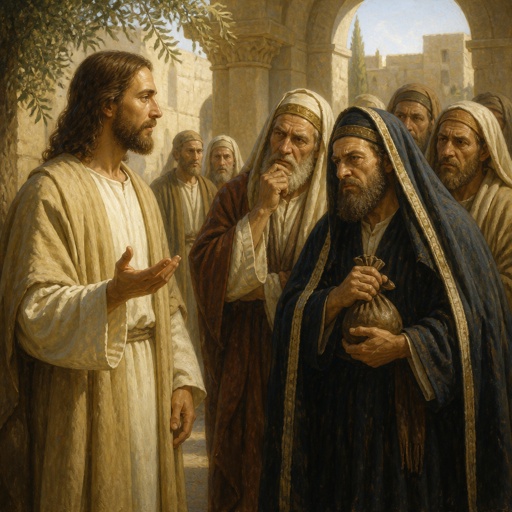
"And the Pharisees also, who were covetous, heard all these things: and they derided him." - Luke 16:14
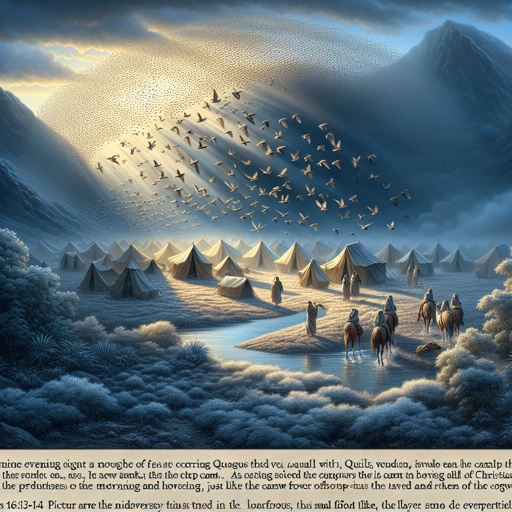
Exodus 16:13-14 (13) And it came to pass, that at even the quails came up, and covered the camp: and in the morning the dew lay round about the host. (14) And when the dew that lay was gone up, behold, upon the face of the wilderness there lay a small round thing, as small as the hoar frost on the ground.

Exodus 16:13-14 (13) And it came to pass, that at even the quails came up, and covered the camp: and in the morning the dew lay round about the host. (14) And when the dew that lay was gone up, behold, upon the face of the wilderness there lay a small round thing, as small as the hoar frost on the ground.
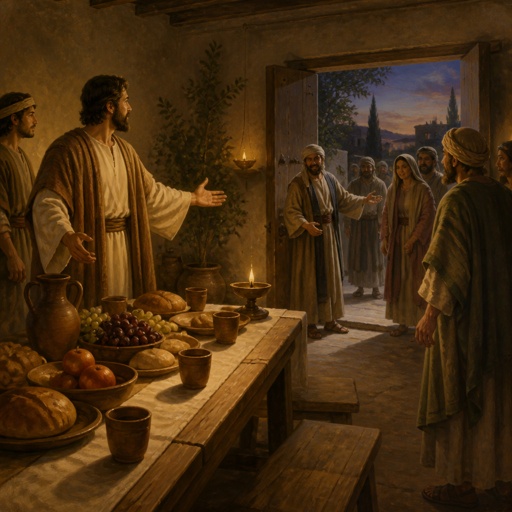
"Then said he unto him, A certain man made a great supper, and bade many:" - Luke 14:16

1 corinthians 16:13-14 with a men and woman dressed in body armor. Add the verses into the picture using the niv translation

Luke 13:14 - "And the ruler of the synagogue answered with indignation, because that Jesus had healed on the sabbath day, and said unto the people, There are six days in which men ought to work: in them therefore come and be healed, and not on the sabbath day."

Exodus 16:13-14 (13) And it came to pass, that at even the quails came up, and covered the camp: and in the morning the dew lay round about the host. (14) And when the dew that lay was gone up, behold, upon the face of the wilderness there lay a small round thing, as small as the hoar frost on the ground. This is a desert setting, an encampment of the Israelites with the ground covered with quail and manna for collection.

Luke 16:13 “No servant can serve two masters; for either he will hate the one and love the other, or else he will be loyal to the one and despise the other. You cannot serve God and mammon.”

Exodus 16:13-14 (13) And it came to pass, that at even the quails came up, and covered the camp: and in the morning the dew lay round about the host. (14) And when the dew that lay was gone up, behold, upon the face of the wilderness there lay a small round thing, as small as the hoar frost on the ground. This is a desert setting, an encampment of the Israelites in tents with the ground covered with quail and manna for collection.

"Be on your guard; stand firm in the faith; be courageous; be strong. Do everything in love." - 1 Corinthians 16:13-14

Luke 13:18-19

Luke 13:20-21