What does Genesis 36:42 mean?
"Duke Kenaz, duke Teman, duke Mibzar," - Genesis 36:42

In Genesis 36:42, the King James Version (KJV) reads, "Duke Kenaz, duke Teman, duke Mibzar." This verse is part of the genealogy of Esau, the older twin brother of Jacob, and the founding father of the nation of Edom. The genealogy of Esau is recorded in Genesis 36, and this verse specifically lists three of Esau's descendants, who were leaders or tribal chiefs in the nation of Edom.
To fully understand the significance of this verse, it is essential to examine its broader context within the book of Genesis and the historical and cultural background of the Edomites. Esau, also known as Edom, was born to Isaac and Rebekah, and he is portrayed as a skilled hunter and his father's favorite son. However, he is also depicted as impulsive and driven by his immediate desires, as seen when he sells his birthright to his younger brother Jacob for a bowl of stew. Esau's descendants, the Edomites, occupied the mountainous region southeast of the Dead Sea, and they were often in conflict with the Israelites, who were the descendants of Esau's twin brother, Jacob.
The mention of "Duke Kenaz, duke Teman, duke Mibzar" in Genesis 36:42 highlights the importance of these individuals in the leadership and governance of the Edomite nation. The term "duke" in this context refers to a tribal chief or leader, indicating that these individuals held significant authority and influence within the Edomite society. It is worth noting that the Edomites were organized into tribal groups, each with its own leaders, and the mention of these specific individuals emphasizes their prominent roles within the Edomite community.
The themes of leadership, lineage, and the fulfillment of God's promises are prominent in this verse and throughout the broader narrative of Genesis. The genealogy of Esau serves as a reminder of the fulfillment of God's covenant with Abraham, Isaac, and Jacob, as their descendants proliferate and establish nations. Additionally, the mention of the tribal chiefs in Genesis 36:42 highlights the significance of leadership and governance within the ancient Near Eastern societies, reflecting the importance of hierarchical structures and the roles of individuals in positions of authority.
Furthermore, the historical and cultural context of the Edomites is crucial in understanding the symbolism and significance of this verse. The Edomites were a neighboring nation to the Israelites, and their relationship was characterized by moments of cooperation and conflict. The biblical narratives portray the Edomites as both allies and adversaries of the Israelites, reflecting the complex geopolitical dynamics of the ancient Near Eastern world. The mention of the tribal chiefs in Genesis 36:42 underscores the distinct identity and organization of the Edomite society, offering valuable insights into the social and political structures of the time.
In conclusion, Genesis 36:42 presents a detailed account of the leadership and genealogy of the Edomite nation, shedding light on the prominent figures who played key roles in their society. The verse exemplifies the themes of leadership, lineage, and the fulfillment of God's promises, while also providing a window into the historical and cultural context of the ancient Near Eastern world. By delving into the significance and symbolism of this verse, readers can gain a deeper understanding of the intricate narratives and dynamics at play within the biblical text.
Have questions about Genesis 36:42?
Dive deeper into this scripture with Bible Chat — an AI-powered tool for exploring God's Word through conversation. Ask questions, get context, and grow in your understanding of the Bible.
Get Our Apps


Genesis 36:42 Artwork

Genesis 36:42 - "Duke Kenaz, duke Teman, duke Mibzar,"

"Duke Kenaz, duke Teman, duke Mibzar," - Genesis 36:42
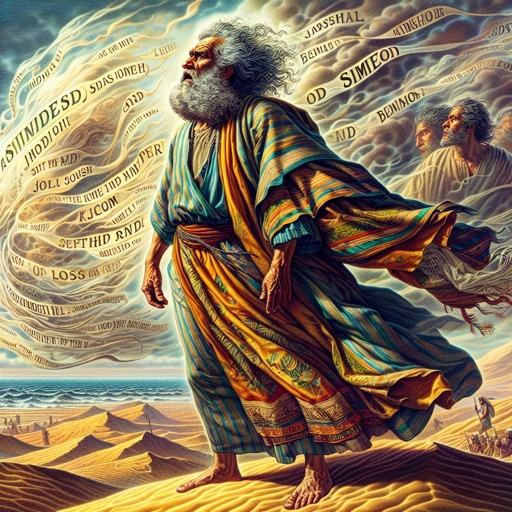
Genesis 42:36 - "And Jacob their father said unto them, Me have ye bereaved of my children: Joseph is not, and Simeon is not, and ye will take Benjamin away: all these things are against me."

Genesis 42:29

Genesis 24-42

Genesis 36:36 - "And Hadad died, and Samlah of Masrekah reigned in his stead."

Genesis 42:1-2

Genesis 42:26 - "And they laded their asses with the corn, and departed thence."

Genesis 24:36

Genesis 19-36
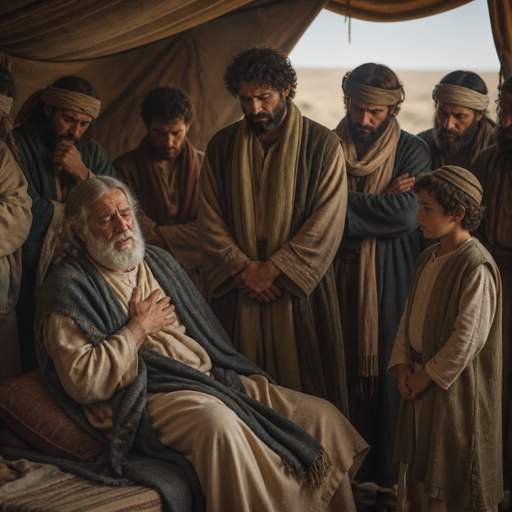
"And Jacob their father said unto them, Me have ye bereaved of my children: Joseph is not, and Simeon is not, and ye will take Benjamin away: all these things are against me." - Genesis 42:36

Genesis 42:8 - "And Joseph knew his brethren, but they knew not him."

Genesis 42:17 - "And he put them all together into ward three days."

Genesis 42:3 - "¶ And Joseph's ten brethren went down to buy corn in Egypt."

Genesis 42:31 - "And we said unto him, We are true men; we are no spies:"

Genesis 36:28 - "The children of Dishan are these; Uz, and Aran."

"And Hadad died, and Samlah of Masrekah reigned in his stead." - Genesis 36:36

Genesis 42:23 - "And they knew not that Joseph understood them; for he spake unto them by an interpreter."

Genesis 36:27 - "The children of Ezer are these; Bilhan, and Zaavan, and Akan."

Genesis 41:41-42 focus on signet ring

Genesis 42:12 - "And he said unto them, Nay, but to see the nakedness of the land ye are come."

Genesis 36:19 - "These are the sons of Esau, who is Edom, and these are their dukes."

Genesis 36:3 - "And Bashemath Ishmael's daughter, sister of Nebajoth."

Genesis 36:1 - "Now these are the generations of Esau, who is Edom."

Genesis 36:26 - "And these are the children of Dishon; Hemdan, and Eshban, and Ithran, and Cheran."

Genesis 36:9 - "¶ And these are the generations of Esau the father of the Edomites in mount Seir:"

Genesis 42:11 - "We are all one man's sons; we are true men, thy servants are no spies."

Genesis 42:14 - "And Joseph said unto them, That is it that I spake unto you, saying, Ye are spies:"

Genesis 42:5 - "And the sons of Israel came to buy corn among those that came: for the famine was in the land of Canaan."

Genesis 36:41 - "Duke Aholibamah, duke Elah, duke Pinon,"