What does Genesis 36:41 mean?
"Duke Aholibamah, duke Elah, duke Pinon," - Genesis 36:41
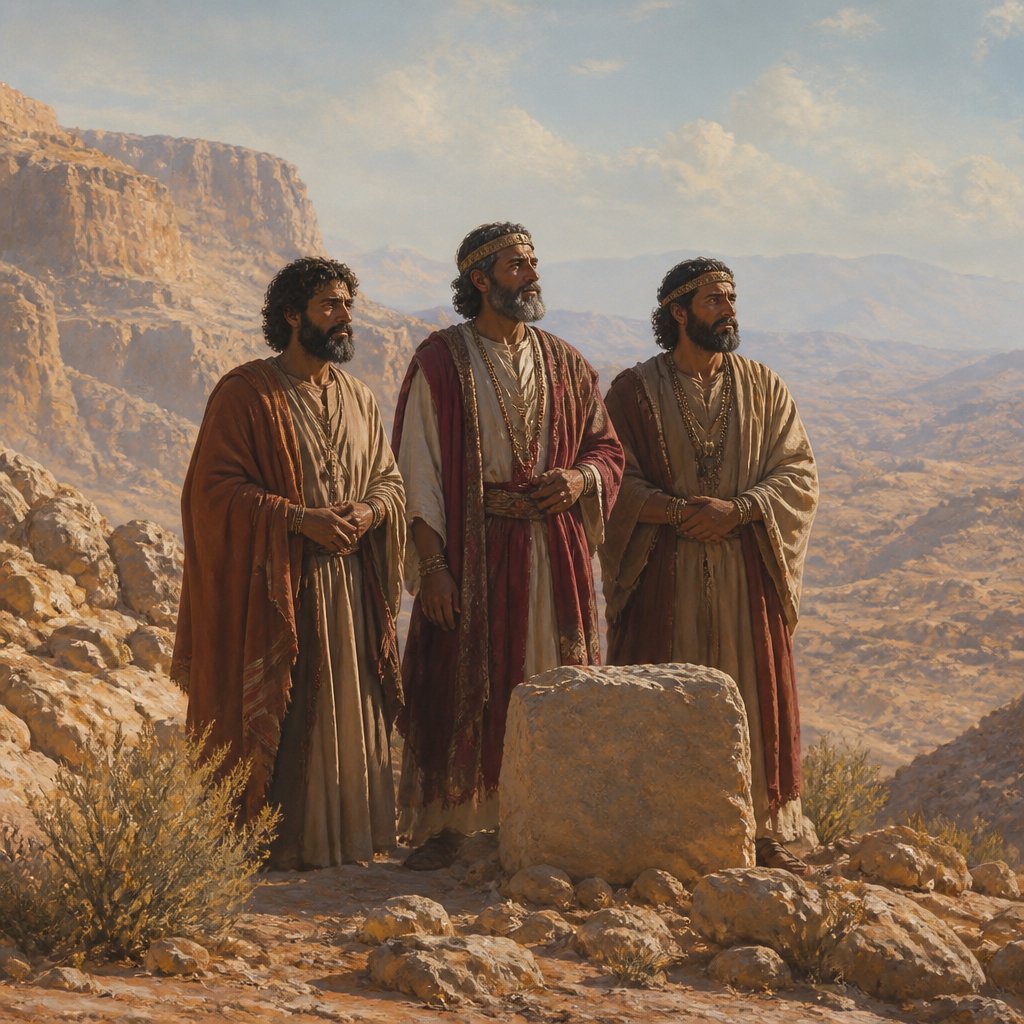
Genesis 36:41 (KJV) states: "Duke Aholibamah, duke Elah, duke Pinon."
This verse appears in the genealogy of Esau, listing the names of the chiefs of the Edomite tribes. The descendants of Esau, the brother of Jacob, are being listed to show the fulfillment of the promises God made to both Abraham and Isaac - that their descendants would be numerous and would inherit the land of Canaan.
To truly understand the significance of this verse, we need to delve into the historical and cultural context of the time. The Edomites were the descendants of Esau, and their territory was located in the mountainous region to the southeast of the Dead Sea. This region was rich in resources, including copper mines, which gave the Edomites economic and military power. The listing of the dukes in this verse reflects the tribal organization and leadership structure of the Edomites.
One of the key themes in this verse is the faithfulness and fulfillment of God's promises. Throughout the Bible, we see God making promises to His people and fulfilling them in His perfect timing. In the case of Esau and his descendants, God fulfilled His promise to make them a great nation, as He had promised to their forefather Isaac. This serves as a reminder to us that God is faithful and true to His word, and we can trust in His promises.
Another theme we can draw from this verse is the importance of leadership and organization within a community. The mention of the dukes signifies the leadership and authority within the Edomite tribes. This reflects the value of structure and order within a society, as well as the responsibility of those in positions of leadership to guide and govern their people justly and righteously.
From a symbolic standpoint, the names of the dukes in this verse also carry significance. Aholibamah means "tent of the high place," Elah means "terebinth" or "oak," and Pinon means "libertine" or "lawless." These names can be seen as reflective of the character and nature of the respective tribes they represent. The symbolism in their names serves as a reminder of the diverse and individual identities within the Edomite tribes, as well as the unique roles and characteristics each tribe contributed to the larger community.
In conclusion, Genesis 36:41 (KJV) may appear as a simple listing of names, but it carries deep significance in its historical, cultural, and symbolic context. It serves as a testament to God's faithfulness in fulfilling His promises, and the importance of leadership and organization within a community. Furthermore, the symbolism in the names of the dukes reflects the diversity and individuality within the Edomite tribes. As we study and reflect on this verse, may we be encouraged by the timeless truths and lessons it imparts to us about God's faithfulness, leadership, and the unique identity of each individual within a community.
Have questions about Genesis 36:41?
Dive deeper into this scripture with Bible Chat — an AI-powered tool for exploring God's Word through conversation. Ask questions, get context, and grow in your understanding of the Bible.
Get Our Apps


Genesis 36:41 Artwork

Genesis 36:41 - "Duke Aholibamah, duke Elah, duke Pinon,"
"Duke Aholibamah, duke Elah, duke Pinon," - Genesis 36:41

Genesis 41:36 - "And that food shall be for store to the land against the seven years of famine, which shall be in the land of Egypt; that the land perish not through the famine."
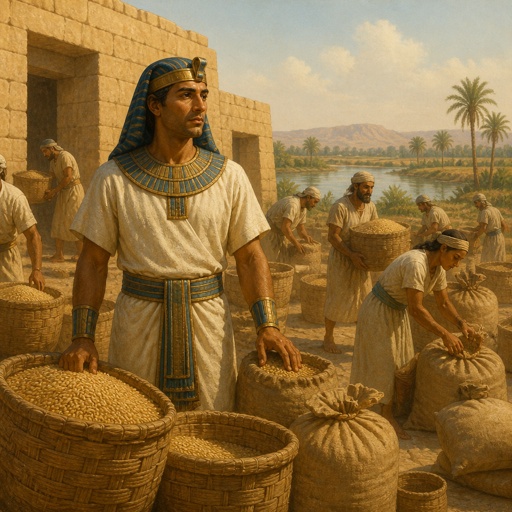
"And that food shall be for store to the land against the seven years of famine, which shall be in the land of Egypt; that the land perish not through the famine." - Genesis 41:36

Genesis 41:41 and make pharaoh black

Genesis 24-41

Genesis 41:41-42 focus on signet ring

Genesis 36:36 - "And Hadad died, and Samlah of Masrekah reigned in his stead."

Genesis 41:41 - "And Pharaoh said unto Joseph, See, I have set thee over all the land of Egypt."

Genesis 24:36

Genesis 19-36

Genesis 41:47 - "And in the seven plenteous years the earth brought forth by handfuls."

Genesis 36:28 - "The children of Dishan are these; Uz, and Aran."

"And Hadad died, and Samlah of Masrekah reigned in his stead." - Genesis 36:36

Genesis 36:27 - "The children of Ezer are these; Bilhan, and Zaavan, and Akan."

Genesis 36:19 - "These are the sons of Esau, who is Edom, and these are their dukes."

Genesis 36:3 - "And Bashemath Ishmael's daughter, sister of Nebajoth."

Genesis 36:1 - "Now these are the generations of Esau, who is Edom."

Genesis 41:53 - "¶ And the seven years of plenteousness, that was in the land of Egypt, were ended."

Genesis 36:26 - "And these are the children of Dishon; Hemdan, and Eshban, and Ithran, and Cheran."

Genesis 36:42 - "Duke Kenaz, duke Teman, duke Mibzar,"

Genesis 36:9 - "¶ And these are the generations of Esau the father of the Edomites in mount Seir:"

Genesis 41:37 - "¶ And the thing was good in the eyes of Pharaoh, and in the eyes of all his servants."

Genesis 19:36 - "Thus were both the daughters of Lot with child by their father."

Genesis 36:8 - "Thus dwelt Esau in mount Seir: Esau is Edom."

Genesis 41:31 - "And the plenty shall not be known in the land by reason of that famine following; for it shall be very grievous."

Genesis 41:29 - "Behold, there come seven years of great plenty throughout all the land of Egypt:"

Genesis 36:25 - "And the children of Anah were these; Dishon, and Aholibamah the daughter of Anah."

Genesis 36:4 - "And Adah bare to Esau Eliphaz; and Bashemath bare Reuel;"

Genesis 36:11 - "And the sons of Eliphaz were Teman, Omar, Zepho, and Gatam, and Kenaz."