What does Genesis 36:39 mean?
"And Baal-hanan the son of Achbor died, and Hadar reigned in his stead: and the name of his city was Pau; and his wife's name was Mehetabel, the daughter of Matred, the daughter of Mezahab." - Genesis 36:39
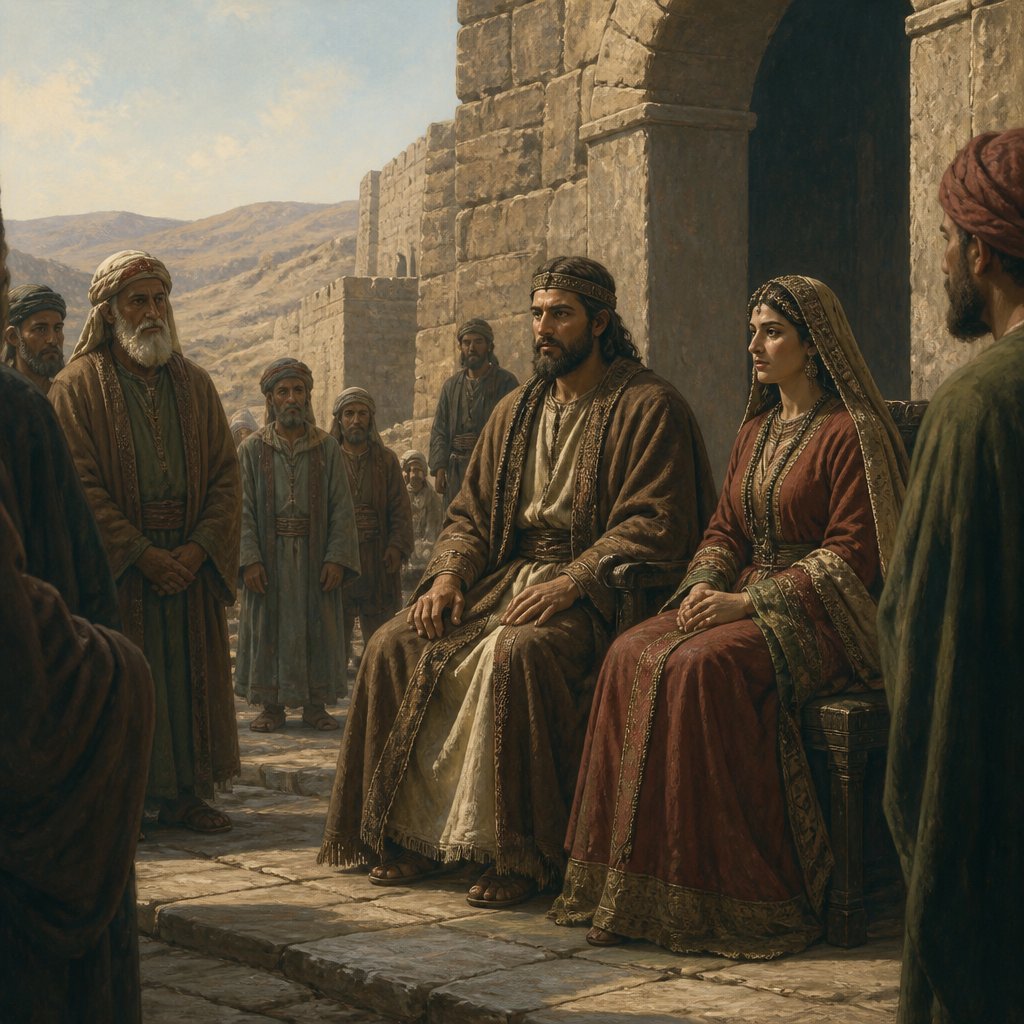
Genesis 36:39 (KJV) - "And Baalhanan the son of Achbor died, and Hadar reigned in his stead: and the name of his city was Pau; and his wife's name was Mehetabel, the daughter of Matred, the daughter of Mezahab."
This verse is found in the Old Testament, specifically in the book of Genesis. It is a verse that is part of a genealogy, specifically listing the descendants of Esau. To truly understand the significance and meaning of this verse, it is important to explore the broader context of the entire passage and the historical and cultural significance of the names and events mentioned.
The genealogy of the descendants of Esau is recorded in Genesis 36. This chapter provides insight into the historical lineage of the Edomites, who were the descendants of Esau. The verse in question, Genesis 36:39, specifically highlights a transition in leadership within the Edomite community. It states that Baalhanan, the son of Achbor, died, and Hadar succeeded him as ruler. Additionally, the verse mentions the name of the city over which Hadar reigned, Pau, and his wife's name, Mehetabel, the daughter of Matred, the daughter of Mezahab.
From a historical perspective, understanding the names and their meanings can provide deeper insight into the significance of this verse. "Baalhanan" means "Baal is gracious" and "Achbor" means "mouse." "Hadar" means "glorious" in Hebrew. "Pau" means "cry," and "Mehetabel" means "God makes me happy." "Matred" means "rebellion," and "Mezahab" means "water of gold" or "abounding in gold."
The transition of leadership from Baalhanan to Hadar and the mention of the city and the wife's name may seem like a simple historical record. However, it also holds deeper meaning and symbolism. The change in leadership signifies the passing of time and the succession of rulers. It reflects the cyclical nature of life and the inevitability of death and change in earthly kingdoms. Moreover, the names mentioned in the verse hold symbolic significance – "Hadar," meaning "glorious," can be seen as a reflection of the desired nature of a ruler, while "Mehetabel," meaning "God makes me happy," represents the joy and blessing that comes with divine favor and guidance.
From a theological perspective, this verse also serves as a reminder of the transient and temporal nature of human existence. It emphasizes the fleeting nature of earthly power and the ultimate sovereignty of God. The emphasis on the names of the rulers, city, and wife also suggests the importance of personal and familial identity within the historical and cultural context of the Edomites.
Additionally, the genealogy of the descendants of Esau serves as a reminder of God's faithfulness in fulfilling His promises to the descendants of Abraham. Despite the intricate details of lineage and succession, it ultimately points to the fulfillment of God's covenant with His people. The names and events recorded in this genealogy are part of the broader narrative of God's redemptive plan for humanity.
In conclusion, Genesis 36:39 may seem like a simple record of a transition in leadership within the Edomite community, but it holds deeper significance in terms of historical, cultural, and theological context. It serves as a reminder of the transient nature of earthly power, the importance of personal and familial identity, and the fulfillment of God's promises. It emphasizes the cyclical nature of life and the ultimate sovereignty of God over human affairs. As such, this verse invites readers to reflect on the broader themes of divine providence, human mortality, and the fulfillment of God's redemptive plan.
Have questions about Genesis 36:39?
Dive deeper into this scripture with Bible Chat — an AI-powered tool for exploring God's Word through conversation. Ask questions, get context, and grow in your understanding of the Bible.
Get Our Apps


Genesis 36:39 Artwork
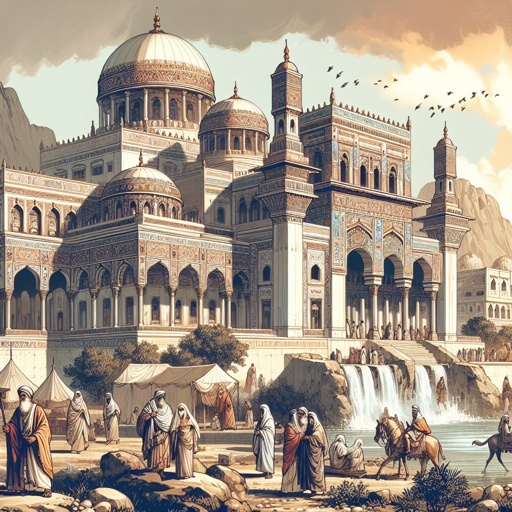
Genesis 36:39 - "And Baal-hanan the son of Achbor died, and Hadar reigned in his stead: and the name of his city was Pau; and his wife's name was Mehetabel, the daughter of Matred, the daughter of Mezahab."
"And Baal-hanan the son of Achbor died, and Hadar reigned in his stead: and the name of his city was Pau; and his wife's name was Mehetabel, the daughter of Matred, the daughter of Mezahab." - Genesis 36:39

Exodus 39:36 - "The table, and all the vessels thereof, and the shewbread,"

"The table, and all the vessels thereof, and the shewbread," - Exodus 39:36

Genesis 24-39

Genesis 39:12

Genesis 36:36 - "And Hadad died, and Samlah of Masrekah reigned in his stead."

Genesis 39:6-12

Genesis 24:36

Genesis 19-36

Genesis 36:28 - "The children of Dishan are these; Uz, and Aran."

"And Hadad died, and Samlah of Masrekah reigned in his stead." - Genesis 36:36

Genesis 36:27 - "The children of Ezer are these; Bilhan, and Zaavan, and Akan."

Genesis 36:19 - "These are the sons of Esau, who is Edom, and these are their dukes."

Genesis 36:3 - "And Bashemath Ishmael's daughter, sister of Nebajoth."

Genesis 36:1 - "Now these are the generations of Esau, who is Edom."

Genesis 24:39 - "And I said unto my master, Peradventure the woman will not follow me."

Genesis 36:26 - "And these are the children of Dishon; Hemdan, and Eshban, and Ithran, and Cheran."

Genesis 36:42 - "Duke Kenaz, duke Teman, duke Mibzar,"

Genesis 36:9 - "¶ And these are the generations of Esau the father of the Edomites in mount Seir:"

Genesis 36:41 - "Duke Aholibamah, duke Elah, duke Pinon,"

Genesis 39:2 - "And the LORD was with Joseph, and he was a prosperous man; and he was in the house of his master the Egyptian."

Genesis 30:39 - "And the flocks conceived before the rods, and brought forth cattle ringstraked, speckled, and spotted."

Genesis 19:36 - "Thus were both the daughters of Lot with child by their father."

Genesis 36:8 - "Thus dwelt Esau in mount Seir: Esau is Edom."

Genesis 36:25 - "And the children of Anah were these; Dishon, and Aholibamah the daughter of Anah."

Genesis 36:4 - "And Adah bare to Esau Eliphaz; and Bashemath bare Reuel;"

Genesis 39:21 - "¶ But the LORD was with Joseph, and shewed him mercy, and gave him favour in the sight of the keeper of the prison."

Genesis 39:16 - "And she laid up his garment by her, until his lord came home."

Genesis 36:11 - "And the sons of Eliphaz were Teman, Omar, Zepho, and Gatam, and Kenaz."