What does Genesis 36:30 mean?
"Duke Dishon, duke Ezer, duke Dishan: these are the dukes that came of Hori, among their dukes in the land of Seir." - Genesis 36:30
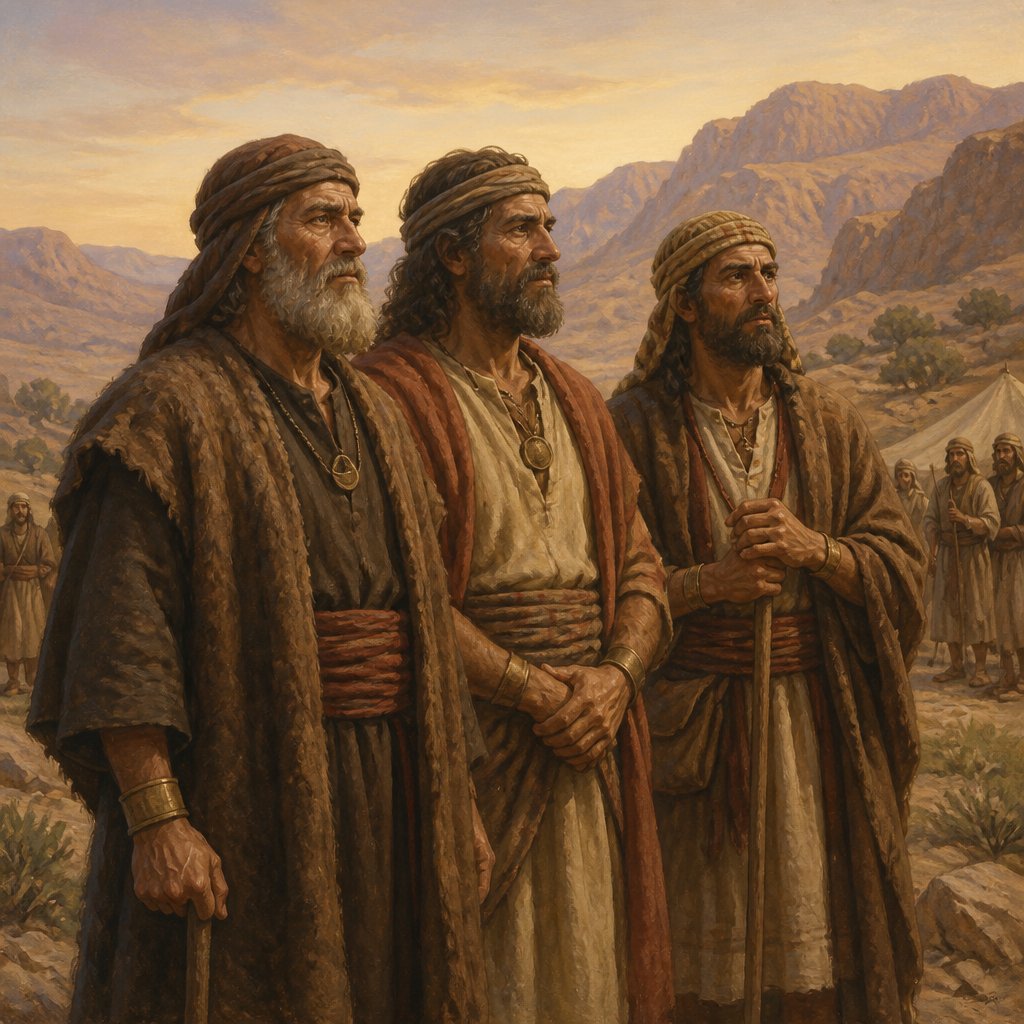
Genesis 36:30 (KJV) states: "Duke Dishon, duke Ezer, duke Dishan: these are the dukes that came of Hori, among their dukes in the land of Seir."
This verse is from the genealogy of Esau, the elder twin brother of Jacob, and the ancestor of the Edomites. In this chapter, the descendants of Esau are listed, along with the dukes or chiefs of the various Edomite clans, who possessed lands in the region of Seir. The verse specifically mentions Duke Dishon, Duke Ezer, and Duke Dishan, who were all descendants of Hori, a chief among the Edomites.
In the historical and cultural context of this verse, the mention of these dukes and their lineage served a dual purpose. On one hand, it was important for the ancient Israelites to have a record of their ancestral roots, including the genealogy of their neighbors and potential adversaries. The Edomites, being descendants of Esau, were considered distant relatives of the Israelites, and it was essential for the Israelites to have an understanding of their history and lineage.
On the other hand, the mention of these dukes and their positions as leaders of the Edomite clans emphasized the hierarchical structure and organization within the Edomite society. This information would have been valuable for the Israelites as they interacted with the Edomites, as it provided insight into the political and social makeup of their neighboring nation.
From a thematic perspective, this verse underscores the importance of lineage and ancestry in the biblical narrative. The genealogies found in the Bible serve as a reminder of God's faithfulness to His people throughout history. They also highlight the interconnectedness of humanity, as the descendants of Esau and Jacob, both played significant roles in biblical history. Additionally, the mention of the dukes and their leadership roles reflects the biblical theme of divine sovereignty and the establishment of earthly authority structures.
Furthermore, the verse can also be viewed symbolically as a representation of the importance of leadership and organization within a community. The dukes mentioned in the verse were responsible for leading their respective clans and upholding order within the Edomite society. This can be seen as a reflection of the biblical principles of leadership and stewardship, which emphasize the importance of wise and just rulership.
In a broader theological context, this verse, along with the entire genealogy of Esau, serves as a reminder of God's redemptive plan for all of humanity. Despite the conflicts and rivalries between the descendants of Esau and Jacob, God's ultimate purpose was to bring about salvation for all people through His son Jesus Christ. This genealogy, therefore, points to the overarching theme of God's sovereignty and His ability to work through human history to fulfill His divine purposes.
In conclusion, the verse Genesis 36:30 in the King James Version of the Bible provides a glimpse into the genealogy and leadership structure of the Edomite clans. Its significance lies in its historical and cultural context, its thematic implications, and its symbolic representations. Ultimately, it contributes to the rich tapestry of biblical history and serves as a reminder of God's faithfulness and sovereignty throughout the ages.
Have questions about Genesis 36:30?
Dive deeper into this scripture with Bible Chat — an AI-powered tool for exploring God's Word through conversation. Ask questions, get context, and grow in your understanding of the Bible.
Get Our Apps


Genesis 36:30 Artwork

Genesis 36:30 - "Duke Dishon, duke Ezer, duke Dishan: these are the dukes that came of Hori, among their dukes in the land of Seir."
"Duke Dishon, duke Ezer, duke Dishan: these are the dukes that came of Hori, among their dukes in the land of Seir." - Genesis 36:30

Genesis 30:36 - "And he set three days' journey betwixt himself and Jacob: and Jacob fed the rest of Laban's flocks."
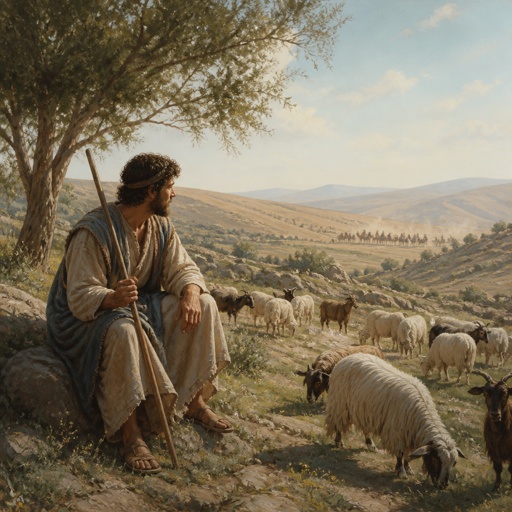
"And he set three days' journey betwixt himself and Jacob: and Jacob fed the rest of Laban's flocks." - Genesis 30:36

Genesis 36:36 - "And Hadad died, and Samlah of Masrekah reigned in his stead."

Genesis 24:36

Genesis 19-36

Job 36:30 - "Behold, he spreadeth his light upon it, and covereth the bottom of the sea."

Genesis 36:28 - "The children of Dishan are these; Uz, and Aran."

"And Hadad died, and Samlah of Masrekah reigned in his stead." - Genesis 36:36

Genesis 36:27 - "The children of Ezer are these; Bilhan, and Zaavan, and Akan."

Genesis 36:19 - "These are the sons of Esau, who is Edom, and these are their dukes."

Genesis 36:3 - "And Bashemath Ishmael's daughter, sister of Nebajoth."

Genesis 36:1 - "Now these are the generations of Esau, who is Edom."

Genesis 36:26 - "And these are the children of Dishon; Hemdan, and Eshban, and Ithran, and Cheran."

Genesis 36:42 - "Duke Kenaz, duke Teman, duke Mibzar,"

Genesis 36:9 - "¶ And these are the generations of Esau the father of the Edomites in mount Seir:"

Exodus 36:30 - "And there were eight boards; and their sockets were sixteen sockets of silver, under every board two sockets."

Genesis 36:41 - "Duke Aholibamah, duke Elah, duke Pinon,"

Genesis 19-30

Genesis 24-30

Genesis 18-30

Genesis 21-30

Genesis 19:36 - "Thus were both the daughters of Lot with child by their father."

Genesis 36:8 - "Thus dwelt Esau in mount Seir: Esau is Edom."

Ezekiel 36:30 - "And I will multiply the fruit of the tree, and the increase of the field, that ye shall receive no more reproach of famine among the heathen."

Genesis 36:25 - "And the children of Anah were these; Dishon, and Aholibamah the daughter of Anah."

Genesis 36:4 - "And Adah bare to Esau Eliphaz; and Bashemath bare Reuel;"

Genesis 36:11 - "And the sons of Eliphaz were Teman, Omar, Zepho, and Gatam, and Kenaz."

Genesis 36:23 - "And the children of Shobal were these; Alvan, and Manahath, and Ebal, Shepho, and Onam."