What does Genesis 36:24 mean?
"And these are the children of Zibeon; both Ajah, and Anah: this was that Anah that found the mules in the wilderness, as he fed the asses of Zibeon his father." - Genesis 36:24

Genesis 36:24 in the King James Version reads: "And these are the children of Zibeon; both Ajah, and Anah: this was that Anah that found the mules in the wilderness, as he fed the asses of Zibeon his father."
This particular verse is part of the genealogy of Esau, the older twin brother of Jacob. The chapter documents the lineages of Esau’s descendants, and in this verse, it specifically mentions the children of Zibeon, who was a Horite, a tribe that inhabited the region of Seir in Edom.
The verse tells us about the children of Zibeon, which were Ajah and Anah. But what’s intriguing about this verse is the mention of Anah finding mules in the wilderness while he was feeding the donkeys of his father, Zibeon. This seemingly simple detail holds much more significance than initially meets the eye.
In biblical times, finding mules in the wilderness was no small feat. It was a rare and unexpected occurrence. Mules were valuable and highly sought after as pack animals due to their strength and endurance. They were a hybrid offspring of a male donkey and a female horse, and they were not commonly found in the wild. The fact that Anah found mules in the wilderness while tending to his father’s donkeys speaks to the providence and favor of the Lord upon him. It was an unusual and fortunate event that demonstrated God’s blessing and provision.
Furthermore, the mention of Anah "feeding the donkeys of Zibeon his father" also holds symbolic significance. In ancient times, caring for and tending to animals was a task associated with humility and servitude. Anah’s diligence and faithfulness in this seemingly menial role reflects his character and obedience. It conveys the message that being faithful in small, everyday responsibilities is pleasing to the Lord and can lead to unexpected blessings.
Symbolically, the mules that Anah found can represent the unexpected blessings and providence that come from obedience and diligence. They serve as a reminder that God’s blessings are not always found in the most obvious places. Sometimes, they come when we least expect them and through the most unlikely means. This verse encourages believers to trust in the Lord’s provision and to remain faithful in their daily tasks, knowing that God can bring about blessings in unexpected ways.
In a broader context, this verse also speaks to the faithfulness and sovereignty of God in fulfilling His promises to the descendants of Esau. It is a testament to God’s faithfulness in preserving the lineage of Esau, despite the turbulent and changing circumstances of the world. The mention of Anah’s discovery of mules serves as a reminder that God’s plans and blessings are not hindered by the challenges and uncertainties of life.
Overall, Genesis 36:24 is a verse that may seem insignificant at first glance, but it holds deep spiritual and symbolic meaning. It reminds us of God’s providence, favor, and faithfulness, and encourages us to remain faithful and obedient in our everyday tasks, knowing that God can bring about unexpected blessings in His perfect timing. It also reassures us of God’s sovereignty in fulfilling His promises, even in the midst of life’s uncertainties. This verse is a powerful reminder of the timeless truths and principles found throughout the pages of the Bible.
Have questions about Genesis 36:24?
Dive deeper into this scripture with Bible Chat — an AI-powered tool for exploring God's Word through conversation. Ask questions, get context, and grow in your understanding of the Bible.
Get Our Apps


Genesis 36:24 Artwork

Genesis 36:24 - "And these are the children of Zibeon; both Ajah, and Anah: this was that Anah that found the mules in the wilderness, as he fed the asses of Zibeon his father."

"And these are the children of Zibeon; both Ajah, and Anah: this was that Anah that found the mules in the wilderness, as he fed the asses of Zibeon his father." - Genesis 36:24

Genesis 24:36

Genesis 24:36 - "And Sarah my master's wife bare a son to my master when she was old: and unto him hath he given all that he hath."

Genesis 36:36 - "And Hadad died, and Samlah of Masrekah reigned in his stead."

Genesis 19-36

Genesis 36:28 - "The children of Dishan are these; Uz, and Aran."

"And Hadad died, and Samlah of Masrekah reigned in his stead." - Genesis 36:36

Genesis 36:27 - "The children of Ezer are these; Bilhan, and Zaavan, and Akan."

Genesis 36:3 - "And Bashemath Ishmael's daughter, sister of Nebajoth."

Genesis 36:19 - "These are the sons of Esau, who is Edom, and these are their dukes."

Genesis 36:1 - "Now these are the generations of Esau, who is Edom."

Genesis 24:24

Job 36:24 - "Remember that thou magnify his work, which men behold."

Genesis 36:26 - "And these are the children of Dishon; Hemdan, and Eshban, and Ithran, and Cheran."

Genesis 36:42 - "Duke Kenaz, duke Teman, duke Mibzar,"

Genesis 36:9 - "¶ And these are the generations of Esau the father of the Edomites in mount Seir:"

Genesis 36:41 - "Duke Aholibamah, duke Elah, duke Pinon,"

Matthew 24:36 - "¶ But of that day and hour knoweth no man, no, not the angels of heaven, but my Father only."

Genesis 36:8 - "Thus dwelt Esau in mount Seir: Esau is Edom."

Genesis 19:36 - "Thus were both the daughters of Lot with child by their father."

Genesis 36:25 - "And the children of Anah were these; Dishon, and Aholibamah the daughter of Anah."

Genesis 36:4 - "And Adah bare to Esau Eliphaz; and Bashemath bare Reuel;"

Genesis 36:11 - "And the sons of Eliphaz were Teman, Omar, Zepho, and Gatam, and Kenaz."

Genesis 36:23 - "And the children of Shobal were these; Alvan, and Manahath, and Ebal, Shepho, and Onam."

Genesis 36:34 - "And Jobab died, and Husham of the land of Temani reigned in his stead."

Genesis 36:22 - "And the children of Lotan were Hori and Hemam; and Lotan's sister was Timna."
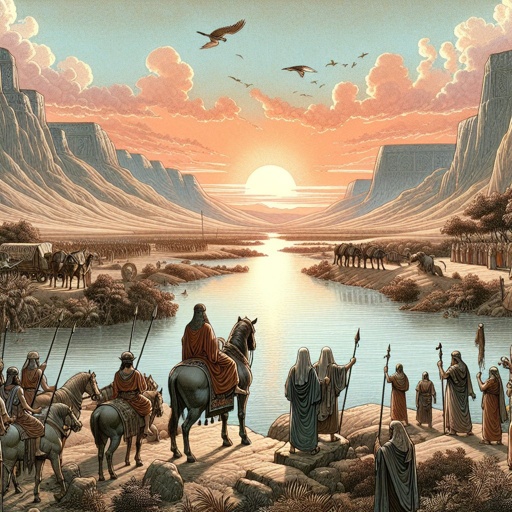
Genesis 36:37 - "And Samlah died, and Saul of Rehoboth by the river reigned in his stead."
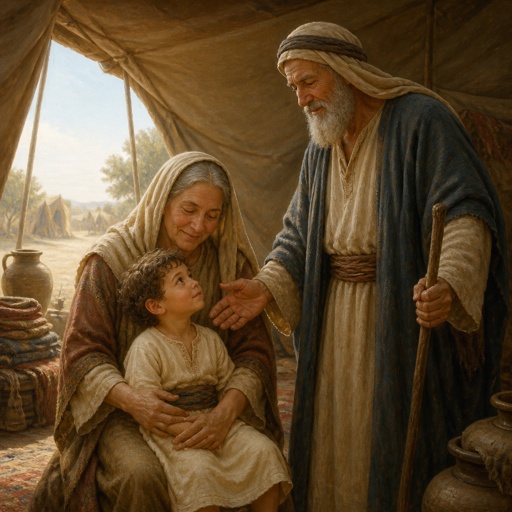
"And Sarah my master's wife bare a son to my master when she was old: and unto him hath he given all that he hath." - Genesis 24:36

Genesis 36:33 - "And Bela died, and Jobab the son of Zerah of Bozrah reigned in his stead."