What does Genesis 31:36 mean?
"¶ And Jacob was wroth, and chode with Laban: and Jacob answered and said to Laban, What is my trespass? what is my sin, that thou hast so hotly pursued after me?" - Genesis 31:36
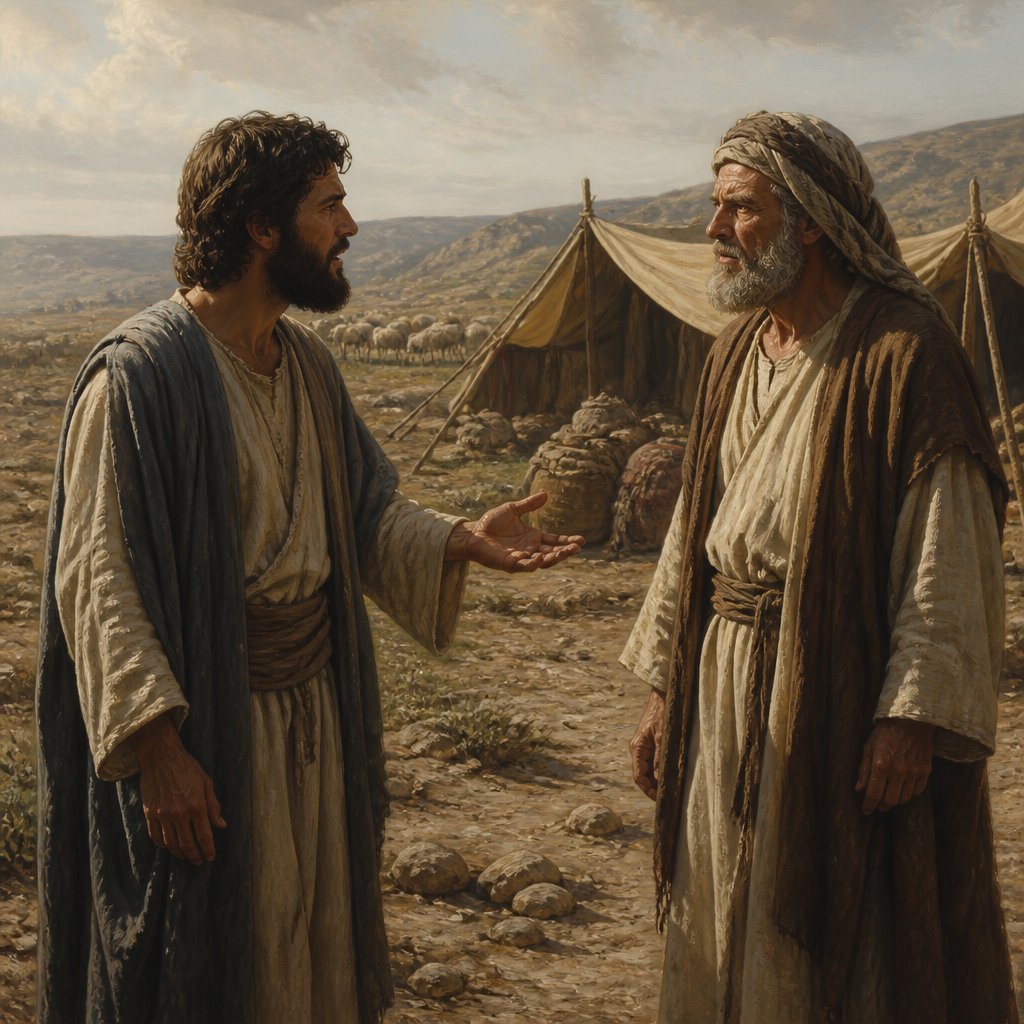
Genesis 31:36 (KJV) states, "And Jacob was wroth, and chode with Laban: and Jacob answered and said to Laban, What is my trespass? what is my sin, that thou hast so hotly pursued after me?"
This verse is part of the larger narrative of Jacob's departure from his uncle Laban's household. In this passage, Jacob expresses his frustration and anger towards Laban for chasing after him. The verse highlights the strained relationship between the two men, and it also sheds light on the complex dynamics of family and loyalty in the ancient Near East.
The context of this verse is crucial for understanding its significance. Jacob had been living and working for Laban for many years, during which time he had experienced mistreatment and deception at the hands of his uncle. Despite this, Jacob had managed to build up a large flock of livestock through his hard work and cunning. Laban's sons had become jealous of Jacob's success, and Laban himself had grown increasingly hostile towards his nephew as well. Eventually, God instructed Jacob to leave Laban's household and return to his own land. When Laban caught wind of Jacob's departure, he pursued after him in an attempt to reclaim what he saw as rightfully his.
In the verse, Jacob's anger is palpable as he confronts Laban and demands to know why he is being pursued so aggressively. Jacob feels that he has been unjustly treated and that his uncle has no legitimate reason to pursue him in such a manner. This shows the tension and conflict that had built up between the two men over the years, and it also serves as a reflection of the broader themes of deception, betrayal, and familial strife that are prevalent throughout the book of Genesis.
The verse also serves as a reminder of the human tendency to seek retribution and justice when wronged. Jacob's reaction is a natural response to feeling wronged and persecuted, and it provides a glimpse into the complexities of human relationships and the struggle for fairness and righteousness.
From a symbolic perspective, this verse can be seen as a reflection of the wider biblical theme of justice and retribution. Throughout the Bible, we see instances of individuals seeking recompense for the wrongs done to them, and this verse is no exception. In this case, Jacob's anger and frustration can be seen as a reflection of the human desire for justice and fairness in the face of adversity.
Furthermore, the verse can also be viewed as a lesson in the importance of standing up for oneself and seeking resolution in the face of conflict. Jacob's bold confrontation with Laban illustrates the need to address grievances directly and assert one's rights in the face of injustice. This is a theme that can be found throughout the Bible, as individuals are called upon to defend their honor and seek redress for the wrongs done to them.
In conclusion, Genesis 31:36 is a pivotal verse in the larger narrative of Jacob and Laban's strained relationship. It serves as a window into the complexities of human emotions and relationships, and it also underscores the biblical themes of justice, retribution, and the struggle for righteousness. This verse reminds us of the universal desire for fairness and the importance of standing up for oneself in the face of adversity. It is a powerful reminder of the human experience and the timeless themes that continue to resonate throughout the pages of the Bible.
Have questions about Genesis 31:36?
Dive deeper into this scripture with Bible Chat — an AI-powered tool for exploring God's Word through conversation. Ask questions, get context, and grow in your understanding of the Bible.
Get Our Apps


Genesis 31:36 Artwork

Genesis 31:36 - "¶ And Jacob was wroth, and chode with Laban: and Jacob answered and said to Laban, What is my trespass? what is my sin, that thou hast so hotly pursued after me?"
"¶ And Jacob was wroth, and chode with Laban: and Jacob answered and said to Laban, What is my trespass? what is my sin, that thou hast so hotly pursued after me?" - Genesis 31:36

Genesis 36:31 - "¶ And these are the kings that reigned in the land of Edom, before there reigned any king over the children of Israel."
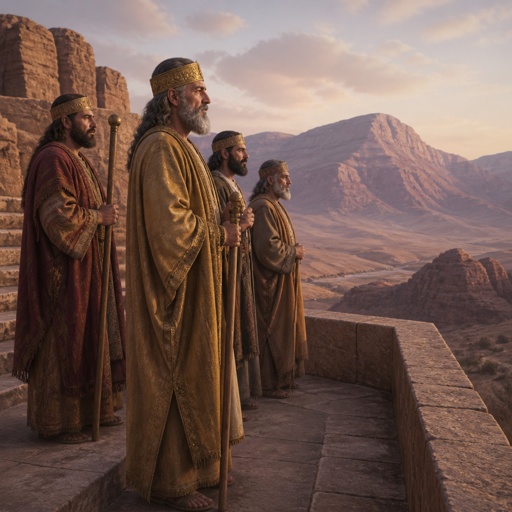
"¶ And these are the kings that reigned in the land of Edom, before there reigned any king over the children of Israel." - Genesis 36:31

Genesis 36:36 - "And Hadad died, and Samlah of Masrekah reigned in his stead."

Job 36:31 - "For by them judgeth he the people; he giveth meat in abundance."

Genesis 24:36

Genesis 19-36

Job 31:36 - "Surely I would take it upon my shoulder, and bind it as a crown to me."

Exodus 36:31 - "¶ And he made bars of shittim wood; five for the boards of the one side of the tabernacle,"

Genesis 36:28 - "The children of Dishan are these; Uz, and Aran."

"And Hadad died, and Samlah of Masrekah reigned in his stead." - Genesis 36:36

Genesis 36:27 - "The children of Ezer are these; Bilhan, and Zaavan, and Akan."

Genesis 36:3 - "And Bashemath Ishmael's daughter, sister of Nebajoth."

Genesis 36:19 - "These are the sons of Esau, who is Edom, and these are their dukes."

Genesis 36:1 - "Now these are the generations of Esau, who is Edom."

Genesis 21-31

Genesis 18-31

Genesis 31:35

Genesis 36:26 - "And these are the children of Dishon; Hemdan, and Eshban, and Ithran, and Cheran."

Genesis 36:42 - "Duke Kenaz, duke Teman, duke Mibzar,"

Genesis 36:9 - "¶ And these are the generations of Esau the father of the Edomites in mount Seir:"

Genesis 19-31

Genesis 24-31

Genesis 36:41 - "Duke Aholibamah, duke Elah, duke Pinon,"

Genesis 36:8 - "Thus dwelt Esau in mount Seir: Esau is Edom."

Genesis 19:36 - "Thus were both the daughters of Lot with child by their father."

Genesis 36:25 - "And the children of Anah were these; Dishon, and Aholibamah the daughter of Anah."

Genesis 36:4 - "And Adah bare to Esau Eliphaz; and Bashemath bare Reuel;"

Genesis 36:11 - "And the sons of Eliphaz were Teman, Omar, Zepho, and Gatam, and Kenaz."