What does Exodus 35:28 mean?
"And spice, and oil for the light, and for the anointing oil, and for the sweet incense." - Exodus 35:28
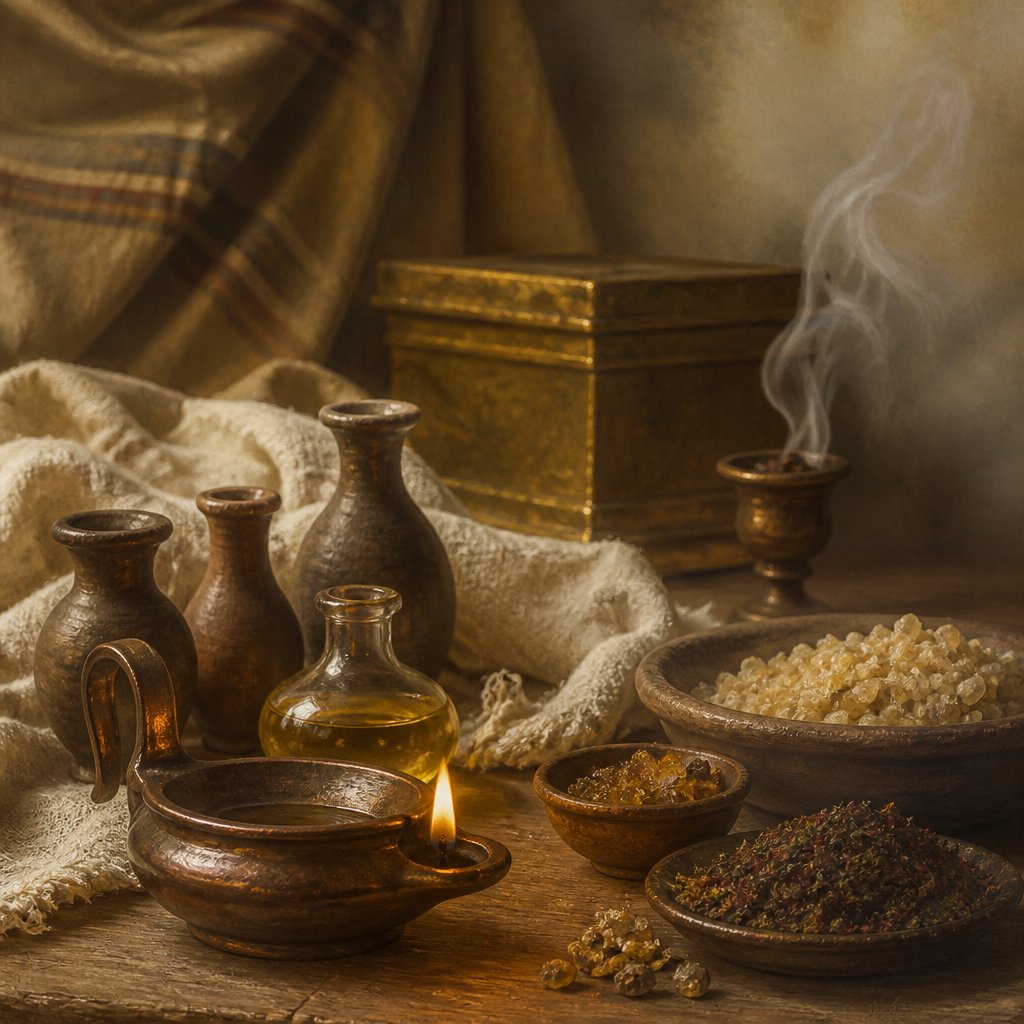
Exodus 35:28 - "And spice, and oil for the light, and for the anointing oil, and for the sweet incense."
In order to fully understand the meaning and context of this verse, it is important to look at the surrounding text in the book of Exodus. The verse is part of a larger passage describing the materials and offerings the Israelites brought for the construction of the Tabernacle, the sacred space where they would worship and commune with God. In Exodus 35, Moses gathers the people and instructs them to bring their offerings of materials such as precious metals, jewels, fine fabrics, and other resources needed for the construction of the Tabernacle.
In Exodus 35:28, the specific items mentioned – spices, oil for the light, anointing oil, and sweet incense – were essential for the rituals and ceremonies conducted within the Tabernacle. Each of these items held a significant symbolic meaning and served a specific purpose in the worship and religious life of the Israelites.
Spices were used in the holy anointing oil, a mixture of oils and fragrant spices that was used to consecrate the priests, the Tabernacle, and its furnishings for sacred use. This anointing was a symbolic act of setting apart and dedicating these items to God's service. It represented the sanctification and empowerment of the priests for their sacred duties. The use of spices in the anointing oil also signifies the richness and beauty of the sacred act of anointing, reflecting the Israelites' reverence and devotion to God.
Oil for the light refers to the pure olive oil used to fuel the lamps that illuminated the Tabernacle. The light from these lamps symbolized the presence of God, guiding and illuminating the way for the Israelites as they worshiped in the Tabernacle. It also signifies the spiritual enlightenment and guidance provided by God to His people, as well as the need for purity and steadfastness in their worship and devotion.
The anointing oil and sweet incense were also used in the rituals of the Tabernacle. The anointing oil was applied to the priests and the sacred items, symbolizing God's blessing and consecration, while the sweet incense was burned on the altar of incense, filling the Tabernacle with a pleasing aroma that symbolized the prayers of the people rising up to God.
In a broader sense, the offerings of these items reflect the Israelites' commitment to creating a sacred and holy space for their worship of God. Their willingness to offer valuable resources for the construction of the Tabernacle demonstrates their dedication to honoring and serving God. It also represents their desire to create a physical space where they could encounter the presence of God and engage in meaningful worship and sacrifice.
The inclusion of these specific items in the offerings also highlights the importance of sensory experiences in religious worship. The use of fragrant spices, oils, and incense created a multisensory experience that engaged the Israelites in a deeper, more meaningful worship experience. These sensory elements not only enhanced the physical setting of the Tabernacle but also served to elevate the spiritual experience of the worshipers, evoking a sense of transcendence and awe in the presence of God.
In conclusion, Exodus 35:28 and the larger passage in which it appears convey the significance of the sacred items and offerings that were essential for the construction and rituals of the Tabernacle. These items were not only practical necessities but also carried deep symbolic and spiritual meanings related to consecration, illumination, prayer, and devotion. The verse serves as a reminder of the Israelites' commitment to creating a holy space for encountering the presence of God and engaging in worship that was rich in sensory experiences and symbolic significance.
Have questions about Exodus 35:28?
Dive deeper into this scripture with Bible Chat — an AI-powered tool for exploring God's Word through conversation. Ask questions, get context, and grow in your understanding of the Bible.
Get Our Apps


Exodus 35:28 Artwork

Exodus 35:28 - "And spice, and oil for the light, and for the anointing oil, and for the sweet incense."
"And spice, and oil for the light, and for the anointing oil, and for the sweet incense." - Exodus 35:28

Exodus 28:35 - "And it shall be upon Aaron to minister: and his sound shall be heard when he goeth in unto the holy place before the LORD, and when he cometh out, that he die not."

Exodus 32.15-35

Genesis 35:28 - "And the days of Isaac were an hundred and fourscore years."

Exodus 35:18 - "The pins of the tabernacle, and the pins of the court, and their cords,"

Exodus 39:35 - "The ark of the testimony, and the staves thereof, and the mercy seat,"

Exodus 35:9 - "And onyx stones, and stones to be set for the ephod, and for the breastplate."

Exodus 35:32 - "And to devise curious works, to work in gold, and in silver, and in brass,"

Exodus 35:6 - "And blue, and purple, and scarlet, and fine linen, and goats' hair,"

Exodus 35:8 - "And oil for the light, and spices for anointing oil, and for the sweet incense,"

Exodus 35:12 - "The ark, and the staves thereof, with the mercy seat, and the vail of the covering,"

The Plague of Hail - Exodus 9:13-35

The Plague of Hail - Exodus 9:13-35

Exodus 35:13 - "The table, and his staves, and all his vessels, and the shewbread,"

Exodus 35:27 - "And the rulers brought onyx stones, and stones to be set, for the ephod, and for the breastplate;"

Exodus 35:7 - "And rams' skins dyed red, and badgers' skins, and shittim wood,"

Exodus 22:28

Exodus 28:4

Exodus 23:28

Exodus 22:28

Exodus 32:28

Exodus 22:28

Exodus 22:28

exodus 28 ephod

Exodus 22:28

Exodus 28:4

The Plague of Hail - Exodus 9:13-35

The Plague of Hail - Exodus 9:13-35

Psalms 35:28 - "And my tongue shall speak of thy righteousness and of thy praise all the day long."