What does Exodus 32:9 mean?
"And the LORD said unto Moses, I have seen this people, and, behold, it is a stiffnecked people:" - Exodus 32:9
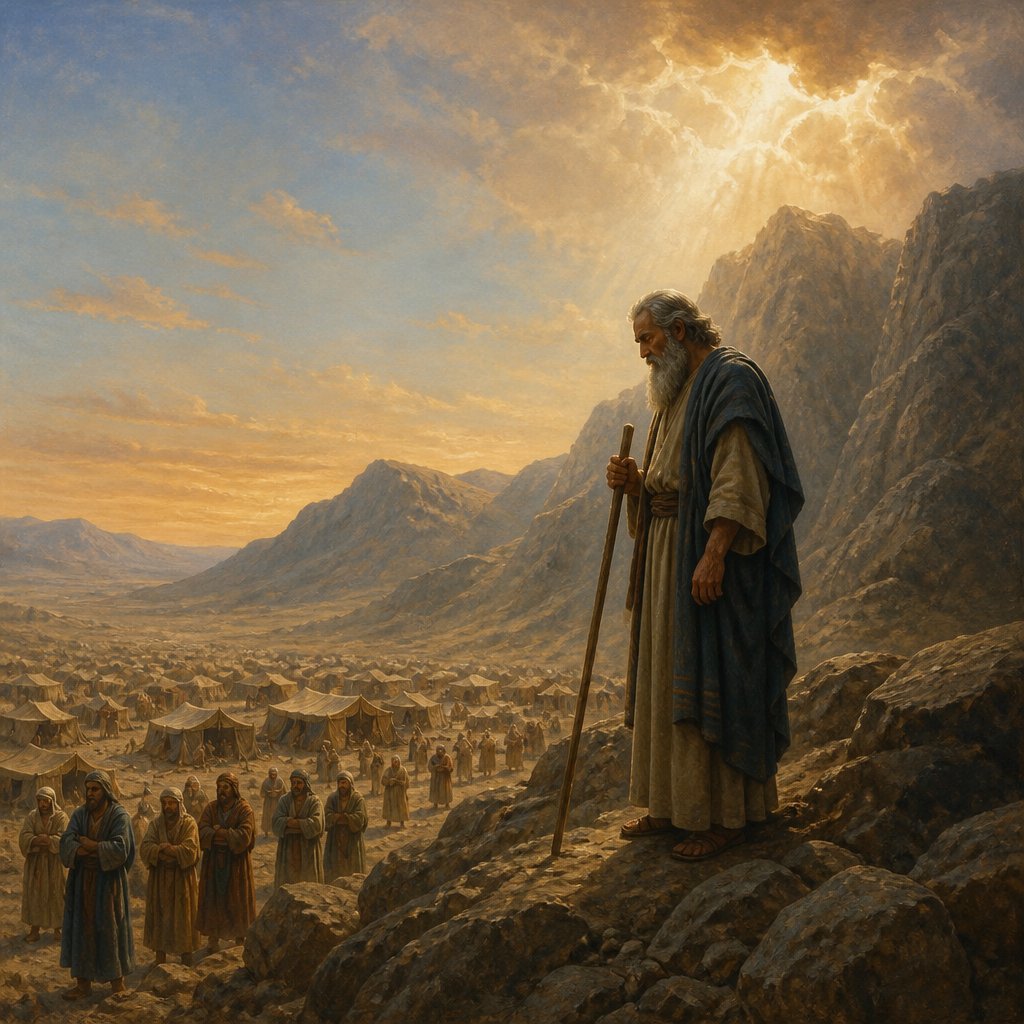
Exodus 32:9 (KJV) states: "And the Lord said unto Moses, I have seen this people, and, behold, it is a stiffnecked people."
This verse comes from the book of Exodus, which details the story of the Israelites' exodus from Egypt and their journey to the Promised Land. In this particular verse, the Israelites have already been delivered from bondage in Egypt, received the Ten Commandments, and made a covenant with God. However, while Moses is on Mount Sinai receiving the commandments, the people become restless and begin to worship a golden calf, breaking the covenant they had made with God.
The phrase "stiffnecked people" reflects the Lord's frustration and disappointment with the Israelites' behavior. The term "stiffnecked" is used throughout the Old Testament to describe a people who are stubborn, obstinate, and unwilling to change. It signifies a lack of submission to God's authority and a refusal to adapt to His will.
This verse is important in understanding the relationship between the Israelites and God. It shows the recurring pattern of the Israelites' disobedience and God's patience and mercy. Despite their repeated transgressions, God continues to seek their redemption and forgiveness. This verse also highlights the nature of God's omniscience, as He is aware of the people's actions and attitudes, even when Moses is not present.
The theme of disobedience and redemption is central to the overarching narrative of the Israelites' journey in Exodus. The Israelites continuously question and rebel against God, yet God remains faithful to His promises and continues to guide and protect them. This theme emphasizes the nature of God's grace and forgiveness, even in the face of human sinfulness and rebellion.
Another important aspect of this verse is the concept of idolatry, as evidenced by the Israelites' worship of the golden calf. The act of creating and worshipping a false god represents a rejection of the one true God and a breaking of the covenant established between God and the Israelites. This serves as a cautionary tale about the dangers of idolatry and the consequences of turning away from the Lord.
The symbolism of the "stiffnecked" people can also be interpreted as a metaphor for spiritual stubbornness and pride. The Israelites' refusal to submit to God's will reflects the human tendency to resist humility and obedience. This verse serves as a reminder for believers to remain open to God's guidance and to avoid the pitfalls of self-reliance and self-will.
In a broader context, Exodus 32:9 also speaks to the universal struggles of faith and obedience. The Israelites' behavior mirrors the challenges faced by believers in their own spiritual journeys. It serves as a warning against the dangers of complacency and the importance of remaining steadfast in one's commitment to God.
In conclusion, Exodus 32:9 (KJV) is a powerful and instructive verse that reveals important themes of disobedience, redemption, idolatry, and spiritual stubbornness. It serves as a reminder of God's unwavering faithfulness and mercy, despite human failings. This verse continues to resonate with believers today, serving as a timeless lesson in the complexities of faith and the need for humility and obedience in our relationship with God.
Have questions about Exodus 32:9?
Dive deeper into this scripture with Bible Chat — an AI-powered tool for exploring God's Word through conversation. Ask questions, get context, and grow in your understanding of the Bible.
Get Our Apps


Exodus 32:9 Artwork

Exodus 32:9 - "And the LORD said unto Moses, I have seen this people, and, behold, it is a stiffnecked people:"
"And the LORD said unto Moses, I have seen this people, and, behold, it is a stiffnecked people:" - Exodus 32:9

Exodus 9:32 - "But the wheat and the rie were not smitten: for they were not grown up."
"But the wheat and the rie were not smitten: for they were not grown up." - Exodus 9:32

Exodus 32:28

Exodus 32:31-32 So Moses returned to the LORD and said, “Oh, what a great sin these people have committed! They have made gods of gold for themselves. / Yet now, if You would only forgive their sin.... But if not, please blot me out of the book that You have written.” Exodus 32:31-32

Exodus 32:32 - "Yet now, if thou wilt forgive their sin--; and if not, blot me, I pray thee, out of thy book which thou hast written."

Exodus 23:32 - "Thou shalt make no covenant with them, nor with their gods."

Exodus 35:32 - "And to devise curious works, to work in gold, and in silver, and in brass,"

The Plague of Flies - Exodus 8:20-32

The Plague of Flies - Exodus 8:20-32.

The Plague of Flies - Exodus 8:20-32

Exodus 32:35 - "And the LORD plagued the people, because they made the calf, which Aaron made."

Exodus 32:16 - "And the tables were the work of God, and the writing was the writing of God, graven upon the tables."

Exodus 32:14 - "And the LORD repented of the evil which he thought to do unto his people."

Exodus 29:32 - "And Aaron and his sons shall eat the flesh of the ram, and the bread that is in the basket, by the door of the tabernacle of the congregation."

Exodus 8:32 - "And Pharaoh hardened his heart at this time also, neither would he let the people go."

Exodus 36:32 - "And five bars for the boards of the other side of the tabernacle, and five bars for the boards of the tabernacle for the sides westward."

Mark 9:32 - "But they understood not that saying, and were afraid to ask him."

Exodus 32:17 - "And when Joshua heard the noise of the people as they shouted, he said unto Moses, There is a noise of war in the camp."

Exodus 12:32 - "Also take your flocks and your herds, as ye have said, and be gone; and bless me also."

Exodus 32:28 - "And the children of Levi did according to the word of Moses: and there fell of the people that day about three thousand men."

Exodus 32:3 - "And all the people brake off the golden earrings which were in their ears, and brought them unto Aaron."

Exodus 40:32 - "When they went into the tent of the congregation, and when they came near unto the altar, they washed; as the LORD commanded Moses."

Exodus 32:22 - "And Aaron said, Let not the anger of my lord wax hot: thou knowest the people, that they are set on mischief."

Esther 9:32 - "And the decree of Esther confirmed these matters of Purim; and it was written in the book."

Exodus 32:5 - "And when Aaron saw it, he built an altar before it; and Aaron made proclamation, and said, To morrow is a feast to the LORD."

Deuteronomy 32:9 - "For the LORD'S portion is his people; Jacob is the lot of his inheritance."

Exodus 32:25 - "¶ And when Moses saw that the people were naked; (for Aaron had made them naked unto their shame among their enemies:)"

Exodus 32:33 - "And the LORD said unto Moses, Whosoever hath sinned against me, him will I blot out of my book."