What does Exodus 26:32 mean?
"And thou shalt hang it upon four pillars of shittim wood overlaid with gold: their hooks shall be of gold, upon the four sockets of silver." - Exodus 26:32
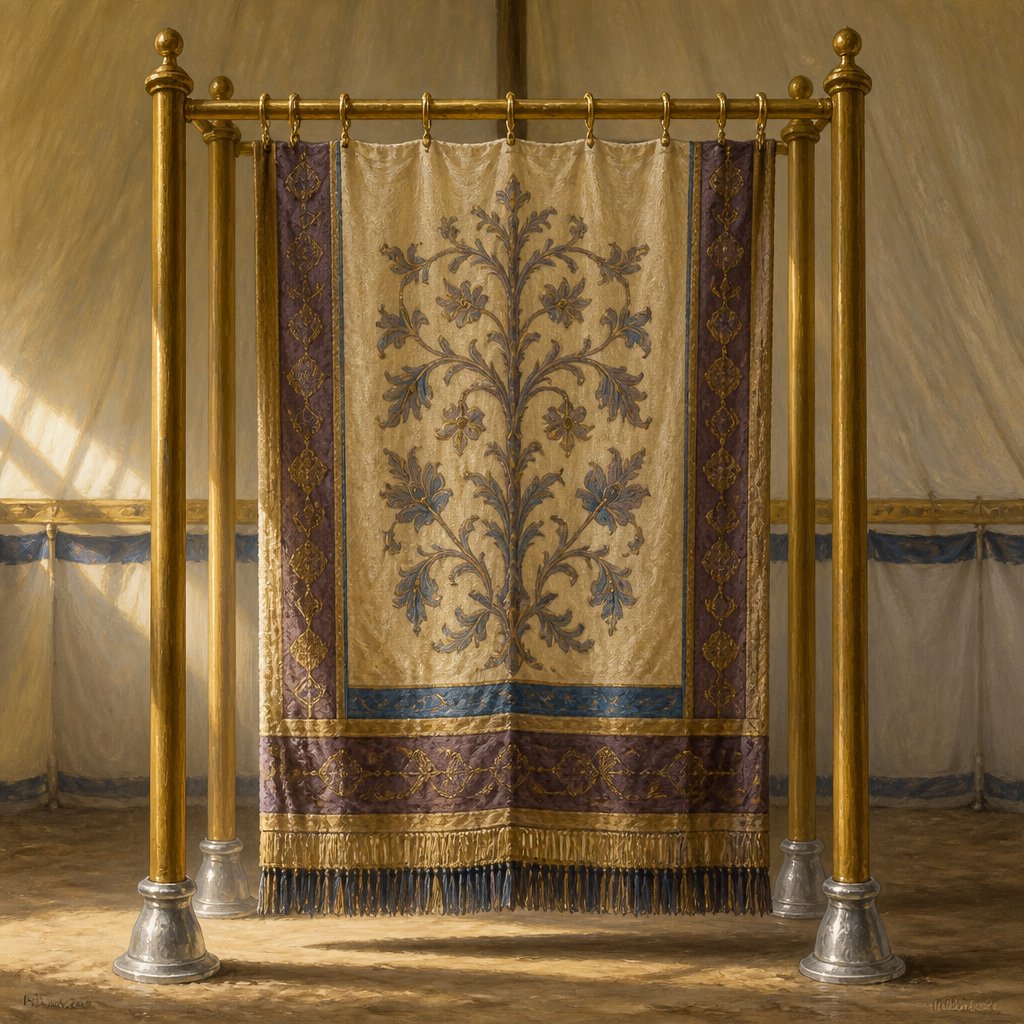
Exodus 26:32 in the King James Version of the Bible reads: "And thou shalt hang it upon four pillars of shittim wood overlaid with gold: their hooks shall be of gold, upon the four sockets of silver."
This verse is part of the detailed instructions that God gave to Moses for building the tabernacle, the sacred tent in which the Israelites would worship Him during their time in the wilderness. The tabernacle was to be a place of worship, sacrifice, and meeting with God. It was constructed with precise measurements, materials, and design, all of which were intended to reflect the holiness and glory of God.
The verse specifically describes the hanging of the veil that separated the Holy Place from the Most Holy Place within the tabernacle. The veil was to be hung on four pillars of acacia wood overlaid with gold. The hooks that held the veil were also to be of gold, and the pillars were to be set in four sockets of silver.
The materials used in the construction of the tabernacle and its furnishings held symbolic significance. Gold was a precious metal, often associated with royalty and divinity in the ancient world. It symbolized the holiness and purity of God. Silver was also a valuable metal, and its use in the sockets of the pillars signified redemption and atonement. Acacia wood, also known as shittim wood, was durable and resistant to decay, representing the enduring nature of God's covenant with His people.
The four pillars on which the veil was hung also carried symbolic importance. The number four often represents completeness or wholeness in the Bible, and in this context, it may symbolize the universality of the veil's significance. The veil itself acted as a barrier between the Holy Place and the Most Holy Place, signifying the separation between God and humanity as a consequence of sin. The veil was a reminder of the inaccessibility of God's presence and the need for atonement and redemption.
The use of gold and silver in the construction of the tabernacle and its furnishings pointed to the redemptive work of God. The gold and silver were reminders of the value of God's grace and mercy, as well as the need for blood sacrifice to cover sin. The design and construction of the tabernacle emphasized the importance of proper worship and reverence for God, as well as the need for purification and forgiveness.
The instructions for the construction of the tabernacle are part of a larger theme in the book of Exodus that emphasizes the holiness and presence of God. The tabernacle was a physical manifestation of God's dwelling among His people, and its construction underscored the importance of reverence and obedience to God's commands. The meticulous details and specific materials were meant to impress upon the Israelites the sacredness of their worship and the seriousness of their relationship with God.
In the New Testament, the veil in the tabernacle is used as a symbol of the separation between God and humanity that was removed through the sacrifice of Jesus Christ. When Jesus died on the cross, the curtain in the temple was torn in two, symbolizing the opening of access to God through Christ's atoning work. This act signified the fulfillment of the Old Testament sacrificial system and the establishment of a new covenant between God and humanity.
In conclusion, Exodus 26:32 and the instructions for the construction of the tabernacle hold deep symbolic and theological significance. The materials, design, and placement of the veil all point to the holiness of God, the need for atonement and redemption, and the importance of proper worship and reverence. These instructions served as a tangible reminder to the Israelites of God's presence among them and the requirements for approaching the Holy God. This verse also points forward to the redemptive work of Christ, who removed the barrier between God and humanity and made a way for all people to come into the presence of God.
Have questions about Exodus 26:32?
Dive deeper into this scripture with Bible Chat — an AI-powered tool for exploring God's Word through conversation. Ask questions, get context, and grow in your understanding of the Bible.
Get Our Apps


Exodus 26:32 Artwork

Exodus 26:32 - "And thou shalt hang it upon four pillars of shittim wood overlaid with gold: their hooks shall be of gold, upon the four sockets of silver."
"And thou shalt hang it upon four pillars of shittim wood overlaid with gold: their hooks shall be of gold, upon the four sockets of silver." - Exodus 26:32

Exodus 32:26 - "Then Moses stood in the gate of the camp, and said, Who is on the LORD'S side? let him come unto me. And all the sons of Levi gathered themselves together unto him."

Exodus 32:28

Exodus 32:31-32 So Moses returned to the LORD and said, “Oh, what a great sin these people have committed! They have made gods of gold for themselves. / Yet now, if You would only forgive their sin.... But if not, please blot me out of the book that You have written.” Exodus 32:31-32

Jeremiah 32:26 - "¶ Then came the word of the LORD unto Jeremiah, saying,"

Numbers 26:32 - "And of Shemida, the family of the Shemidaites: and of Hepher, the family of the Hepherites."

exodus 26:1

Exodus 32:32 - "Yet now, if thou wilt forgive their sin--; and if not, blot me, I pray thee, out of thy book which thou hast written."

Exodus 26:30

Exodus 26:31

Exodus 26:31

Exodus 26:31

exodus 26:1

Exodus 23:32 - "Thou shalt make no covenant with them, nor with their gods."

Exodus 35:32 - "And to devise curious works, to work in gold, and in silver, and in brass,"

Exodus 9:32 - "But the wheat and the rie were not smitten: for they were not grown up."

The Plague of Flies - Exodus 8:20-32

Exodus 26:26 - "¶ And thou shalt make bars of shittim wood; five for the boards of the one side of the tabernacle,"

The Plague of Flies - Exodus 8:20-32.

The Plague of Flies - Exodus 8:20-32

Exodus 26:31-33

Matthew 26:32 - "But after I am risen again, I will go before you into Galilee."

Exodus 32:35 - "And the LORD plagued the people, because they made the calf, which Aaron made."

Leviticus 26:32 - "And I will bring the land into desolation: and your enemies which dwell therein shall be astonished at it."

Exodus 32:16 - "And the tables were the work of God, and the writing was the writing of God, graven upon the tables."
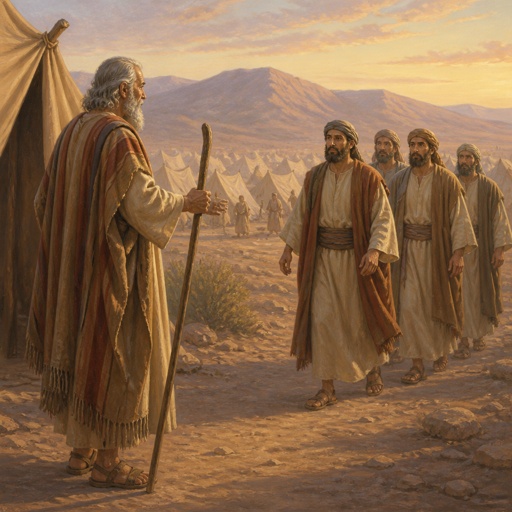
"Then Moses stood in the gate of the camp, and said, Who is on the LORD'S side? let him come unto me. And all the sons of Levi gathered themselves together unto him." - Exodus 32:26

Exodus 32:14 - "And the LORD repented of the evil which he thought to do unto his people."

Exodus 32:9 - "And the LORD said unto Moses, I have seen this people, and, behold, it is a stiffnecked people:"

Numbers 32:26 - "Our little ones, our wives, our flocks, and all our cattle, shall be there in the cities of Gilead:"