What does Exodus 23:32 mean?
"Thou shalt make no covenant with them, nor with their gods." - Exodus 23:32

The verse Exodus 23:32 in the King James Version of the Bible reads: "Thou shalt make no covenant with them, nor with their gods." This verse is a part of a larger passage in the book of Exodus where God gives instructions to the Israelites regarding their relationship with the inhabitants of the land of Canaan, whom they were to conquer and dispossess.
In order to understand the deeper meaning and commentary of this verse, it is important to consider the historical and cultural context in which it was written. The Israelites had been enslaved in Egypt for centuries and were led by Moses out of bondage towards the promised land. As they journeyed through the wilderness, God made a covenant with them at Mount Sinai, giving them the Ten Commandments and other laws to govern their society and relationship with Him.
In the larger passage of Exodus 23, God is instructing the Israelites on how to conduct themselves as they prepare to enter the land of Canaan. He warns them against making alliances or treaties with the inhabitants of the land, who were polytheistic and worshiped false gods. This was a critical instruction, as God wanted to ensure that the Israelites remained faithful to Him and did not adopt the idolatrous practices of the Canaanites.
The verse Exodus 23:32 reflects the theme of monotheism and the exclusivity of the covenant between God and the Israelites. It underscores the importance of the Israelites' commitment to worshiping the one true God and avoiding any form of syncretism or compromise with the pagan religions of Canaan. This theme is consistent with the broader narrative of the Old Testament, which emphasizes the uniqueness and sovereignty of God as the supreme authority over the Israelites.
Furthermore, the verse also conveys the importance of maintaining spiritual purity and holiness. By prohibiting the Israelites from entering into covenants with the gods of the Canaanites, God was protecting them from the moral and spiritual corruption that often accompanies idol worship. The purity of their worship and obedience to God's commandments was essential for their success and prosperity in the promised land.
Symbolically, the verse Exodus 23:32 serves as a reminder for believers to remain steadfast in their faith and to avoid being swayed by the beliefs and practices of the world. It urges individuals to uphold the integrity of their relationship with God and to not compromise their convictions for the sake of earthly alliances or pursuits.
In summary, Exodus 23:32 carries profound theological and ethical implications for the Israelites and for contemporary readers. It underscores the importance of fidelity to God, the pursuit of holiness, and the rejection of false gods and idolatry. The verse serves as a timeless admonition for believers to prioritize their devotion to the one true God and to resist the enticements of the world.
Have questions about Exodus 23:32?
Dive deeper into this scripture with Bible Chat — an AI-powered tool for exploring God's Word through conversation. Ask questions, get context, and grow in your understanding of the Bible.
Get Our Apps


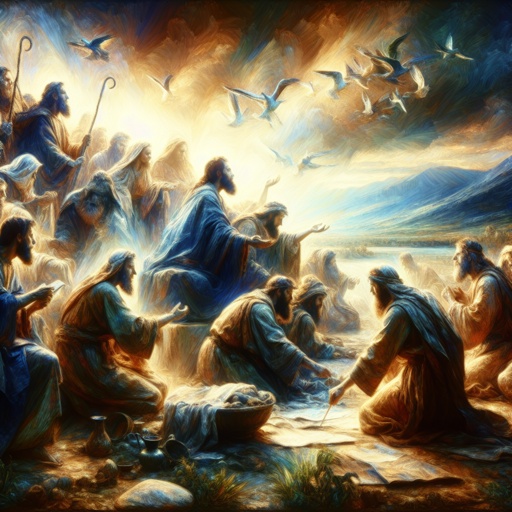
Exodus 23:32 Artwork

Exodus 23:32 - "Thou shalt make no covenant with them, nor with their gods."

"Thou shalt make no covenant with them, nor with their gods." - Exodus 23:32

Exodus 32:23 - "For they said unto me, Make us gods, which shall go before us: for as for this Moses, the man that brought us up out of the land of Egypt, we wot not what is become of him."

Exodus 32:28

Exodus 32:31-32 So Moses returned to the LORD and said, “Oh, what a great sin these people have committed! They have made gods of gold for themselves. / Yet now, if You would only forgive their sin.... But if not, please blot me out of the book that You have written.” Exodus 32:31-32

Exodus 32:32 - "Yet now, if thou wilt forgive their sin--; and if not, blot me, I pray thee, out of thy book which thou hast written."

Matthew 23:32 - "Fill ye up then the measure of your fathers."

Exodus 35:32 - "And to devise curious works, to work in gold, and in silver, and in brass,"

Exodus 9:32 - "But the wheat and the rie were not smitten: for they were not grown up."

2 Samuel 23:32 - "Eliahba the Shaalbonite, of the sons of Jashen, Jonathan,"

The Plague of Flies - Exodus 8:20-32

The Plague of Flies - Exodus 8:20-32.

Proverbs 23:32 - "At the last it biteth like a serpent, and stingeth like an adder."

The Plague of Flies - Exodus 8:20-32

Acts 23:32 - "On the morrow they left the horsemen to go with him, and returned to the castle:"

Exodus 23:20

Exodus 23:4

Exodus 23:28

Exodus 15:23

Exodus 32:35 - "And the LORD plagued the people, because they made the calf, which Aaron made."
Exodus 15:23

Exodus 23:4

Exodus 23:28

Exodus 32:16 - "And the tables were the work of God, and the writing was the writing of God, graven upon the tables."

Exodus 32:14 - "And the LORD repented of the evil which he thought to do unto his people."

Luke 23:32 - "And there were also two other, malefactors, led with him to be put to death."

Exodus 23:27-28

Exodus 32:9 - "And the LORD said unto Moses, I have seen this people, and, behold, it is a stiffnecked people:"

Exodus 23:28-29

Exodus 29:32 - "And Aaron and his sons shall eat the flesh of the ram, and the bread that is in the basket, by the door of the tabernacle of the congregation."