What does Exodus 21:32 mean?
"If the ox shall push a manservant or a maidservant; he shall give unto their master thirty shekels of silver, and the ox shall be stoned." - Exodus 21:32
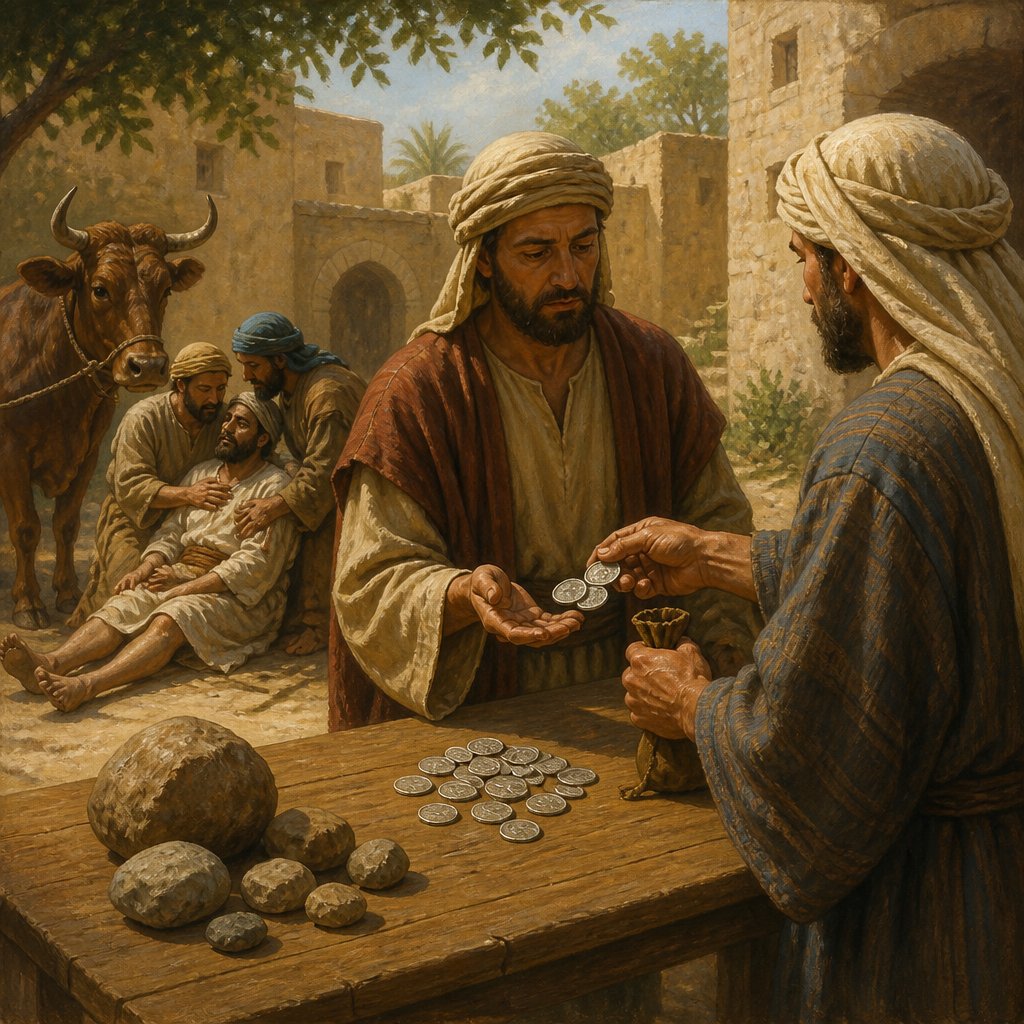
Exodus 21:32 (KJV) states, "If the ox shall push a manservant or a maidservant; he shall give unto their master thirty shekels of silver, and the ox shall be stoned." This verse is part of Exodus, the second book of the Bible, which narrates the story of Israelites' departure from Egypt, their journey through the desert, and the reception of the Ten Commandments.
This particular verse is found within a passage that details the laws governing the treatment of slaves and servants in ancient Israel. It outlines the consequences for an incident in which an ox gores a human servant. The owner of the ox is required to compensate the servant’s master with thirty shekels of silver, and the ox is to be stoned to death. This verse is particularly noteworthy for its implications on issues of justice and compensation in the biblical era.
The verse signifies the importance of maintaining a sense of justice and accountability in the Israelite community. In ancient Israel, slavery was a common practice and the treatment of slaves was subject to certain guidelines and regulations. This verse highlights the responsibility of the ox’s owner to ensure that their property does not cause harm to others, and the requirement to provide fair compensation for the injured party.
The reference to thirty shekels of silver as compensation has significant symbolism in the Bible. Thirty pieces of silver is a recurring motif in the Old Testament, particularly in relation to betrayal and the price of a life. In the New Testament, it is also referenced in the betrayal and subsequent remorse of Judas Iscariot, who betrayed Jesus for thirty pieces of silver. This connection adds a deeper layer of meaning to this verse, suggesting that the compensation for the injured servant holds a weight of betrayal and injustice.
The stoning of the ox also carries symbolic significance. In ancient Jewish tradition, the stoning of an animal was a form of atonement for the misdeeds of the animal's owner. By stoning the ox, the owner acknowledges their fault and takes responsibility for the harm caused. This act of atonement also serves as a deterrent for future negligence, emphasizing the importance of accountability and moral rectitude in one's actions.
Furthermore, this verse reflects the themes of social justice and compassion for the vulnerable members of society. By outlining regulations for the treatment of servants, the verse emphasizes the need for fair and just treatment of all individuals, regardless of their social status. It underscores the sanctity of human life and the necessity of providing restitution for harm inflicted upon others, regardless of their societal position.
In a broader context, Exodus 21:32 serves as a reminder of the enduring relevance of biblical principles in contemporary society. The themes of justice, accountability, and compassion for others remain pertinent in modern discussions of ethical behavior and legal frameworks. Additionally, the verse prompts reflection on the treatment of vulnerable populations and the role of responsibility in preventing harm to others.
In conclusion, Exodus 21:32 (KJV) bears significance as a reflection of the principles of justice, accountability, and compassion outlined in the Bible. Its portrayal of the regulations surrounding the treatment of servants reflects the moral and ethical standards upheld in ancient Israel. The verse also carries symbolic meaning through its references to thirty pieces of silver and the stoning of the ox, emphasizing the weight of betrayal and the act of atonement. Ultimately, this verse prompts contemplation on the enduring relevance of biblical principles in contemporary discussions of justice and ethical conduct.
Have questions about Exodus 21:32?
Dive deeper into this scripture with Bible Chat — an AI-powered tool for exploring God's Word through conversation. Ask questions, get context, and grow in your understanding of the Bible.
Get Our Apps


Exodus 21:32 Artwork

Exodus 21:32 - "If the ox shall push a manservant or a maidservant; he shall give unto their master thirty shekels of silver, and the ox shall be stoned."
"If the ox shall push a manservant or a maidservant; he shall give unto their master thirty shekels of silver, and the ox shall be stoned." - Exodus 21:32

Exodus 32:21 - "And Moses said unto Aaron, What did this people unto thee, that thou hast brought so great a sin upon them?"

Exodus 32:28
Genesis 21-32

Exodus 32:31-32 So Moses returned to the LORD and said, “Oh, what a great sin these people have committed! They have made gods of gold for themselves. / Yet now, if You would only forgive their sin.... But if not, please blot me out of the book that You have written.” Exodus 32:31-32
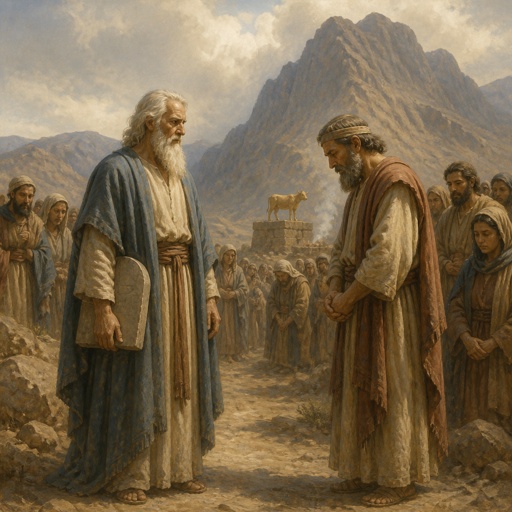
"And Moses said unto Aaron, What did this people unto thee, that thou hast brought so great a sin upon them?" - Exodus 32:21

Exodus 32:32 - "Yet now, if thou wilt forgive their sin--; and if not, blot me, I pray thee, out of thy book which thou hast written."

Exodus 23:32 - "Thou shalt make no covenant with them, nor with their gods."

Exodus 35:32 - "And to devise curious works, to work in gold, and in silver, and in brass,"

Exodus 9:32 - "But the wheat and the rie were not smitten: for they were not grown up."

The Plague of Flies - Exodus 8:20-32

The Plague of Flies - Exodus 8:20-32.

The Plague of Flies - Exodus 8:20-32

Exodus 32:35 - "And the LORD plagued the people, because they made the calf, which Aaron made."

Exodus 14: 21

Exodus 32:16 - "And the tables were the work of God, and the writing was the writing of God, graven upon the tables."

Exodus 32:14 - "And the LORD repented of the evil which he thought to do unto his people."

Job 21:32 - "Yet shall he be brought to the grave, and shall remain in the tomb."

Exodus 14: 21

Exodus 15:21

Exodus 32:9 - "And the LORD said unto Moses, I have seen this people, and, behold, it is a stiffnecked people:"

Exodus 21:21 - "Notwithstanding, if he continue a day or two, he shall not be punished: for he is his money."

Exodus 29:32 - "And Aaron and his sons shall eat the flesh of the ram, and the bread that is in the basket, by the door of the tabernacle of the congregation."

Exodus 8:32 - "And Pharaoh hardened his heart at this time also, neither would he let the people go."

Genesis 32:21 - "So went the present over before him: and himself lodged that night in the company."

Exodus 36:32 - "And five bars for the boards of the other side of the tabernacle, and five bars for the boards of the tabernacle for the sides westward."

Exodus 32:17 - "And when Joshua heard the noise of the people as they shouted, he said unto Moses, There is a noise of war in the camp."

Exodus 12:32 - "Also take your flocks and your herds, as ye have said, and be gone; and bless me also."

Exodus 32:28 - "And the children of Levi did according to the word of Moses: and there fell of the people that day about three thousand men."