The Eternal Perspective: Lessons from the Rich Man and Lazarus
"And in hell he lift up his eyes, being in torments, and seeth Abraham afar off, and Lazarus in his bosom." - Luke 16:23
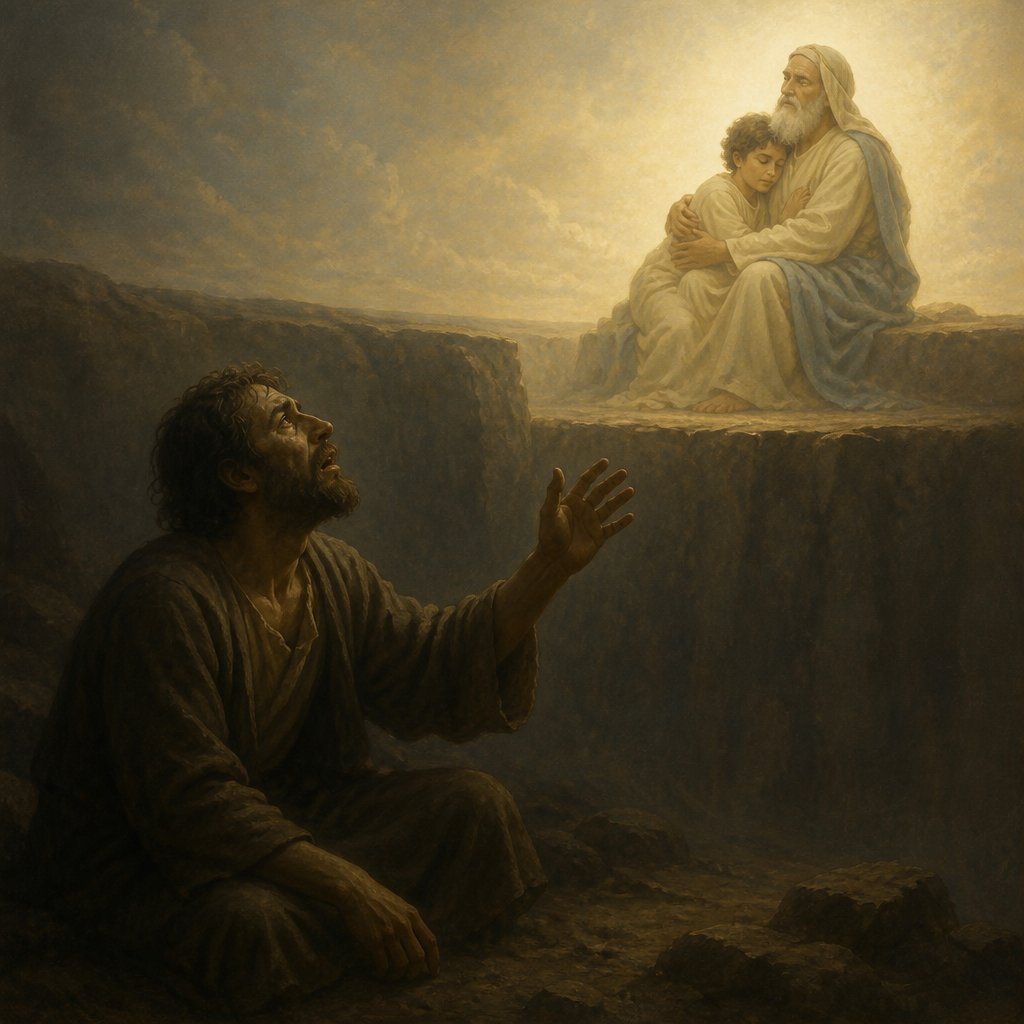
The story of the Rich Man and Lazarus is found in Luke 16:19-31, but our focus rests on verse 23, which states, "And in hell he lift up his eyes, being in torments, and seeth Abraham afar off, and Lazarus in his bosom." This profound account serves as a sobering reminder of the eternal consequences of our earthly choices.
In this parable, Jesus unveils the stark contrast between two lives: a rich man who indulged in luxury during his earthly existence, and a poor beggar named Lazarus who endured suffering and rejection. Upon their deaths, the roles are dramatically reversed, illuminating the truth of justice and mercy in God’s eternal kingdom. The rich man, once clothed in finery, now finds himself in torment, while Lazarus, who suffered greatly, is comforted in the presence of Abraham.
As we reflect on this verse, we are confronted with the harrowing reality of hell. The rich man "lifted up his eyes" and immediately recognized the gravity of his condition. The term "being in torments" indicates not just physical pain, but an all-consuming agony—a deep spiritual anguish that arises from his awareness of lost opportunities and the consequences of his choices.
Hell, in biblical terms, is often described as a place separated from the love and mercy of God. The rich man's experience underscores this separation vividly. He was not just suffering, but also aware of a longing—a longing for relief, a longing for the affection and comfort he denied Lazarus in life. This awareness serves as a haunting reminder that our post-life existence is not only about the choices made but also about our relationships with others and with God.
Let us ponder the significance of seeing Lazarus “in his bosom.” In the Jewish culture, reclining next to someone was an expression of intimacy, warmth, and acceptance. Lazarus, who was overlooked and marginalized in life, is now the one reclining next to Abraham, surrounded by the love and grace of God. The contrast between the rich man’s isolation and Lazarus’s welcome serves as a potent reminder that God notices our suffering and rewards the faithful, even when the world may turn a blind eye.
The rich man’s call for mercy reveals another chilling aspect of his condition. He pleads for a mere drop of water to cool his tongue, a symbol of the hope and agony intertwined in his pleas. This reflects a crucial truth: our choices in life shape our experiences in eternity. Ignoring the plight of those in need and indulging solely in our own pleasures can lead to an unquenchable thirst for that which we denied others. The self-centered life may yield temporary pleasures, but it ultimately results in spiritual barrenness.
The conversation between the rich man and Abraham sheds light on the importance of heeding the warnings and teachings of Scripture. The rich man’s plea for Lazarus to be sent back to warn his brothers exemplifies the urgency of repentance and the need to live in accordance with God’s commandments. Abraham’s response underscores that we all have access to the Word of God through Moses and the prophets—reminding us that ignorance of Scripture will not excuse us from responsibility.
As we reflect on this passage, we are encouraged to act upon what we learn. It calls us to evaluate our actions towards those less fortunate, to recognize the interconnections between our faith and our deeds, and to uphold the dignity of every human life. Jesus illustrates through this parable that our earthly lives carry eternal weight, urging us to choose kindness, compassion, humility, and a deep relationship with God while we have the chance.
May we never take for granted the grace that leads us from the torments of the rich man to the comforting embrace of Abraham and Lazarus. Let this reminder guide our hearts and actions, helping us to be the hands and feet of Christ, reflecting His love to a world in desperate need.
Want to reflect more on Luke 16:23?
Continue your spiritual journey with Bible Chat — an AI-powered tool for exploring God's Word through conversation. Ask questions, discover connections, and deepen your understanding.
Get Our Apps


Luke 16:23 Artwork

Luke 16:23 - "And in hell he lift up his eyes, being in torments, and seeth Abraham afar off, and Lazarus in his bosom."
"And in hell he lift up his eyes, being in torments, and seeth Abraham afar off, and Lazarus in his bosom." - Luke 16:23

Luke 23:16 - "I will therefore chastise him, and release him."
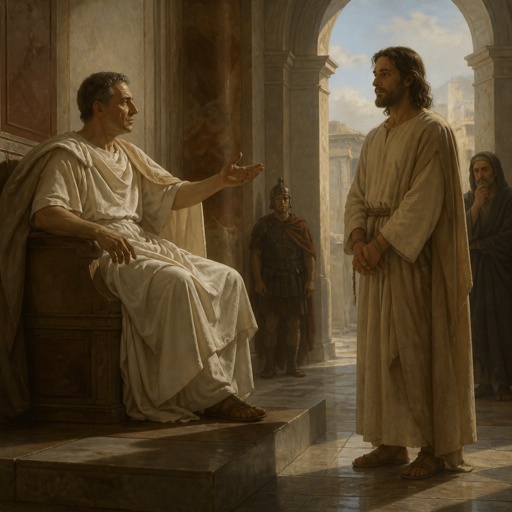
"I will therefore chastise him, and release him." - Luke 23:16

Luke 23:53

Luke 19:23

luke 11:23

Luke 19:23

luke 11:23
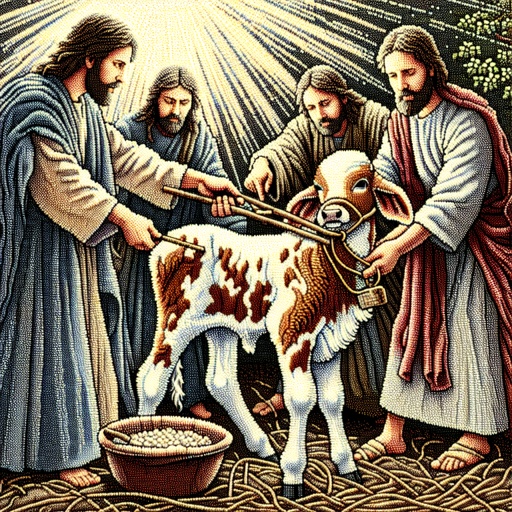
Luke 15:23

luke 11:23

luke 11:23

Luke 23:54 - "And that day was the preparation, and the sabbath drew on."

Luke 23:23 - "And they were instant with loud voices, requiring that he might be crucified. And the voices of them and of the chief priests prevailed."

Luke 23:24 - "And Pilate gave sentence that it should be as they required."

Luke 8:16

luke 4:16

Genesis 23-16

Luke 23:45 - "And the sun was darkened, and the veil of the temple was rent in the midst."

Luke 7:23 - "And blessed is he, whosoever shall not be offended in me."

Luke 23:21 - "But they cried, saying, Crucify him, crucify him."

Luke 23:37 - "And saying, If thou be the king of the Jews, save thyself."

Luke 16:1-13

Luke 23:10 - "And the chief priests and scribes stood and vehemently accused him."

Luke 16:1-1313

Luke 16:22-26

Luke 16:1-13

Luke 16:1-13

Luke 2:16 - 21

Luke 23:52 - "This man went unto Pilate, and begged the body of Jesus."