At the Gate of Grace: Lessons from Lazarus
"And there was a certain beggar named Lazarus, which was laid at his gate, full of sores," - Luke 16:20

In the parable of the rich man and Lazarus, found in Luke 16:20, we encounter a profound narrative that serves as a mirror reflecting the human condition, the mercy of God, and the eternal consequences of our earthly choices. The King James Version presents this poignant moment: "And there was a certain beggar named Lazarus, which was laid at his gate, full of sores." Here, we are introduced to Lazarus—a man in need, sitting at the gate of the rich, his life defined by suffering and exclusion.
Lazarus was not merely a name; he embodies the plight of many in our society today—those who are marginalized, suffering, and overlooked. The text indicates that he was laid at the gate, suggesting that he was perhaps a victim of circumstance, someone deemed unworthy of attention or compassion by the affluent around him. His physical state—"full of sores"—speaks to his suffering not just as a physical ailment but also as a representation of spiritual desolation in a world that often prioritizes wealth and status over humanity.
As we reflect on Lazarus, we are compelled to examine our own lives. How often do we find ourselves bypassing the needy, looking away from suffering in our midst? The rich man, who remains nameless throughout the parable, illustrates a stark contrast to Lazarus. His wealth and position blind him to the humanity of another right at his doorstep. This blindness is challenging for us to confront. Are we, too, guilty of living in such a manner that we become indifferent to the needs of those who suffer around us?
Jesus uses this story to remind us that wealth is not synonymous with righteousness. The rich man lived in luxury, feasting daily, yet his spiritual state was starkly depicted in his inability to see Lazarus as anything other than a nuisance at his gate. In contrast, Lazarus, though destitute, was the one exalted in the heavenly narrative post-mortem, receiving comfort in Abraham’s bosom. This inversion of fortune strikes at the core of God’s justice and mercy.
Our lives are often anchored in the temporal pleasures of this world, where comfort overshadows communal responsibility. However, Jesus calls us to look deeper into the purpose of our existence. We should ask ourselves, what do we do with the ‘Lazaruses’ at our gates? These are not just individuals but constitutions of our community; they embody the opportunities for us to express Christ’s love and mercy.
Moreover, Lazarus’s name means “God is my help.” This deeply resonates with us, as it speaks to the ultimate source of hope. No matter how desperate our situation might seem, God is aware of our suffering and has promised aid to those who call upon Him. While Lazarus’s pain is vivid and acute, his spiritual journey embodies the trust that extends beyond earthly existence into divine embrace. The comfort he receives in paradise illustrates that God’s hand is ever ready to lift the burden of the brokenhearted.
As believers, we are called to step into the shoes of both characters within this account. We embody Lazarus when we allow ourselves to be vulnerable before God, recognizing our own need for grace and providence. Simultaneously, we are challenged to be aware of the metaphorical gates in our own lives, those boundaries that keep us from extending compassion and love to those in our communities.
The parable serves as a timeless admonition to live generously and compassionately. As we encounter suffering in our daily lives, let us remember the beggar named Lazarus—a reminder of our calling to be vessels of grace and love, reflecting Christ's compassion as we minister to the needs around us and prepare our hearts for the eternal kingdom.
Want to reflect more on Luke 16:20?
Continue your spiritual journey with Bible Chat — an AI-powered tool for exploring God's Word through conversation. Ask questions, discover connections, and deepen your understanding.
Get Our Apps


Luke 16:20 Artwork

Luke 16:20 - "And there was a certain beggar named Lazarus, which was laid at his gate, full of sores,"
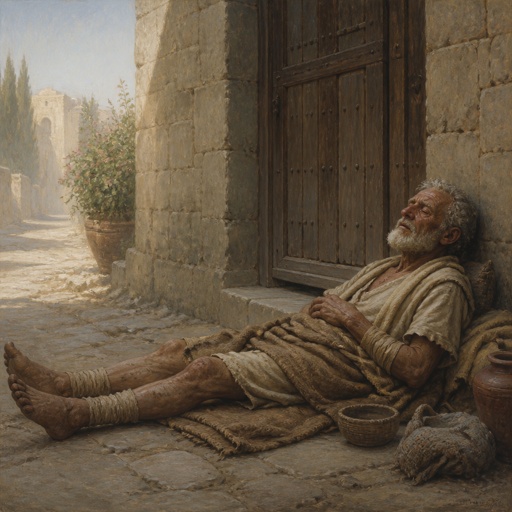
"And there was a certain beggar named Lazarus, which was laid at his gate, full of sores," - Luke 16:20

Luke 20:16 - "He shall come and destroy these husbandmen, and shall give the vineyard to others. And when they heard it, they said, God forbid."

Luke 13:20-21

Luke 13:20-21

Luke 13:20-21

Luke 13:20-21
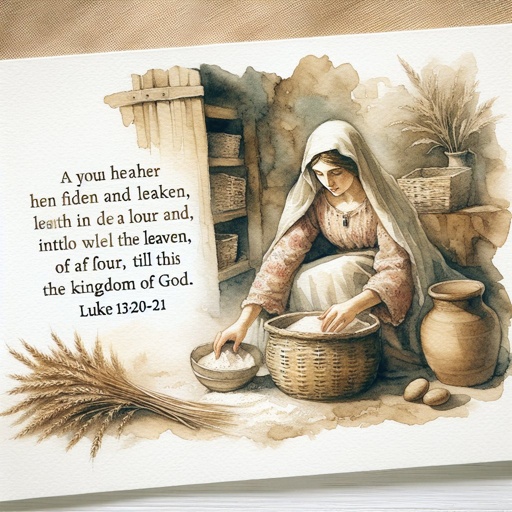
Luke 13:20-21
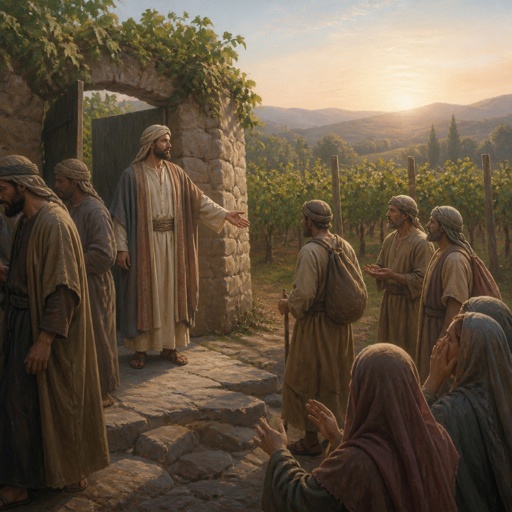
"He shall come and destroy these husbandmen, and shall give the vineyard to others. And when they heard it, they said, God forbid." - Luke 20:16

Luke 20:28

Luke 2:1-20

Luke 8:16

luke 4:16

Luke 20:7 - "And they answered, that they could not tell whence it was."

Mark 16:20
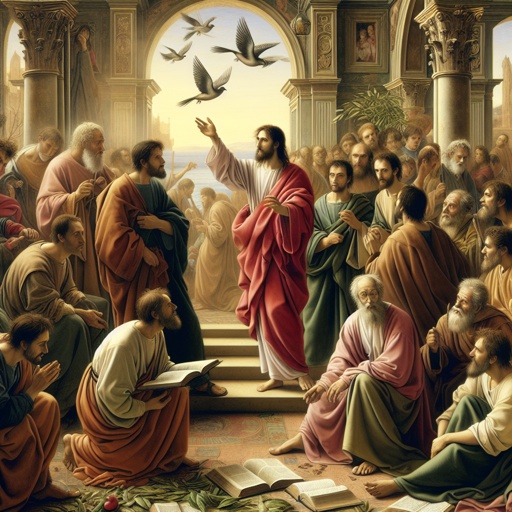
Mark 16:20

Deuteronomy 20:16

Luke 16:1-13

Deuteronomy 20:16

Mark 16:20

Genesis 20-16
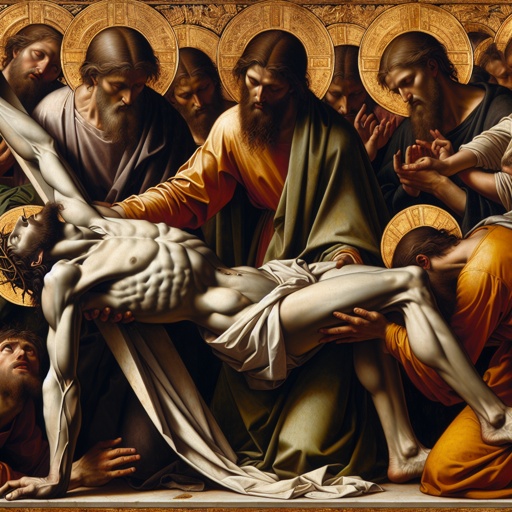
Mark 16:20

Mark 16:20

Deuteronomy 20:16
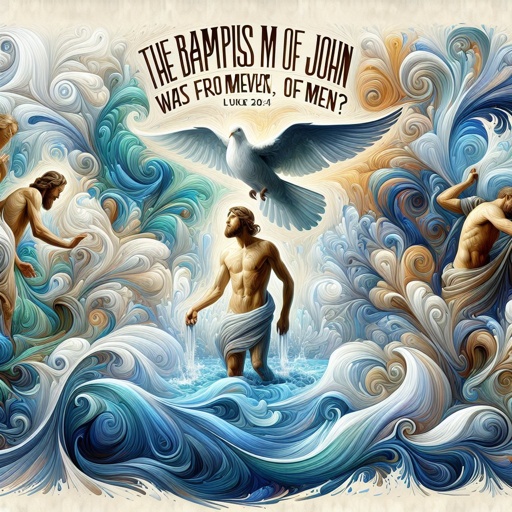
Luke 20:4 - "The baptism of John, was it from heaven, or of men?"

Luke 20:32 - "Last of all the woman died also."

Luke 16:1-1313

Luke 16:22-26

Luke 16:1-13

Luke 16:1-13