Loosed from Bonds: The Liberation of a Daughter of Abraham
"And ought not this woman, being a daughter of Abraham, whom Satan hath bound, lo, these eighteen years, be loosed from this bond on the sabbath day?" - Luke 13:16

In Luke 13:16, the Lord Jesus speaks a profound truth that echoes through the corridors of time.
"And ought not this woman, being a daughter of Abraham, whom Satan hath bound, lo, these eighteen years, be loosed from this bond on the sabbath day?" (KJV)
This passage raises not just a rhetorical question, but it galvanizes the compassion and mission of Christ as He intervenes in the life of a woman who has suffered for far too long. The scripture reflects not only a moment of divine healing but also offers us profound insights into our identity and God’s intention for His daughters. Let’s unpack the layers of this incredible moment, focusing on the woman, the context, and what it means for us today.
### The Context of Suffering
This woman, described as a daughter of Abraham, had been afflicted for eighteen years by a spirit of infirmity. In the context of Jewish culture, her condition would have ostracized her in ways unrecognizable to many today. Suffering from a debilitating condition was often viewed as a consequence of sin, whether personal or generational. For eighteen long years, she lived in the shadows, bound by the chains of her ailment, viewed perhaps as cursed rather than blessed.
Yet, the label placed upon her by society did not define her identity. Jesus identifies her as a daughter of Abraham, which signifies not just lineage but a relationship. To be a daughter of Abraham means to share in the covenant promises of God. This woman’s status as a beloved child of God radically shifts the narrative from one of despair to one of hope - something she herself may have lost sight of in her chronic suffering.
### The Role of Jesus
When Jesus asks, "Ought not this woman… be loosed?" He challenges the rigid interpretations of the Sabbath laws that had caused the Pharisees to view compassion as a violation of protocol. Here, we see Jesus’ radical empathy; His question isn’t merely rhetorical. It’s a serious call to acknowledge that mercy transcends the law. He emphasizes a deeper understanding of the Sabbath – one that prioritizes the well-being of humanity over strict adherence to rules.
### A Declaration of Freedom
The implication of being loosed from her bond is not a mere physical healing; it represents spiritual liberation, a reinstatement of her dignity and worth. Jesus, therefore, makes a powerful statement in asserting that no one, least of all a daughter of the covenant, should be bound by circumstances longer than necessary. He positions Himself as the liberator, empowering not just the woman but all of us who face various forms of oppression or bondage.
### A Personal Reflection
As we meditate on this passage, we are invited to consider our own lives. What bonds have we allowed to define us? Are there areas in our lives where we feel weighed down by illness, past traumas, or spiritual battles? Similarly to the woman in the synagogue, we often find ourselves struggling for years under the burdens we carry. However, just as Jesus offers healing and liberation to her on the Sabbath, He extends the same invitation to us.
In a fast-paced world where we often feel forgotten or sidelined, Jesus stands ready to soothe our brokenness. The beautiful promise embedded in this passage reminds us that our identity as daughters and sons of Abraham grants us access to His grace. We are not merely victims of our circumstances; rather, we are called to walk in freedom and wholeness.
### Application: Be Loosed!
This week, meditate on the areas of your life where you seek liberation. Prayerfully ask God to help you identify the chains that bind you, whether they be physical, emotional, or spiritual.
Seek the counsel of Christ, who boldly says, "Be loosed!" Remember, as you are loosed from your bonds, you also become a conduit of His healing to those who need to hear these words. Your story of overcoming can inspire another daughter of Abraham who is still waiting for her moment of liberation.
Let us rejoice that the Lord is still walking through the synagogues of our lives, lifting burdens, and setting the captives free.
Want to reflect more on Luke 13:16?
Continue your spiritual journey with Bible Chat — an AI-powered tool for exploring God's Word through conversation. Ask questions, discover connections, and deepen your understanding.
Get Our Apps


Luke 13:16 Artwork

Luke 13:16 - "And ought not this woman, being a daughter of Abraham, whom Satan hath bound, lo, these eighteen years, be loosed from this bond on the sabbath day?"

"And ought not this woman, being a daughter of Abraham, whom Satan hath bound, lo, these eighteen years, be loosed from this bond on the sabbath day?" - Luke 13:16

Luke 16:1-13

Luke 16:1-13

Luke 16:1-13

Luke 16:1-1313

Luke 16:13 - "¶ No servant can serve two masters: for either he will hate the one, and love the other; or else he will hold to the one, and despise the other. Ye cannot serve God and mammon."

Luke 16:13 “No servant can serve two masters; for either he will hate the one and love the other, or else he will be loyal to the one and despise the other. You cannot serve God and mammon.”

Luke 13:18-19

Luke 13:20-21

Luke 13:18-19

Luke 13:20-21
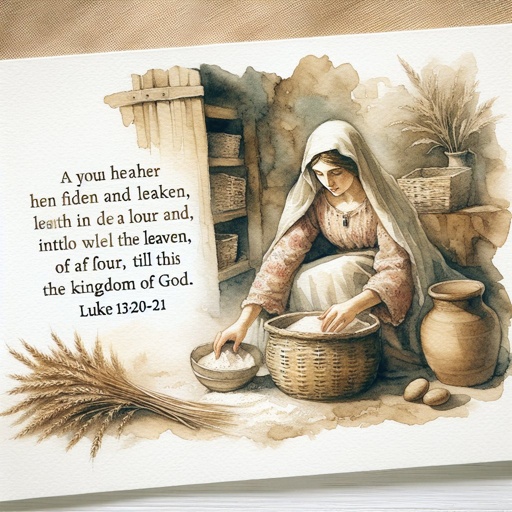
Luke 13:20-21

Luke 13:20-21

Luke 13:20-21

Luke 8:16

luke 4:16

Luke 8:13

Luke 1:13

Luke 1:13

Luke 8:13

Luke 13:24

Luke 1:13

Luke 8:13

Luke 1:13

Luke 1:13

Luke 2:13

Luke 1:13

Luke 16:22-26

Luke 2:16 - 21