The Weight of Grief: Trusting God Amidst Suffering
"And Jacob their father said unto them, Me have ye bereaved of my children: Joseph is not, and Simeon is not, and ye will take Benjamin away: all these things are against me." - Genesis 42:36
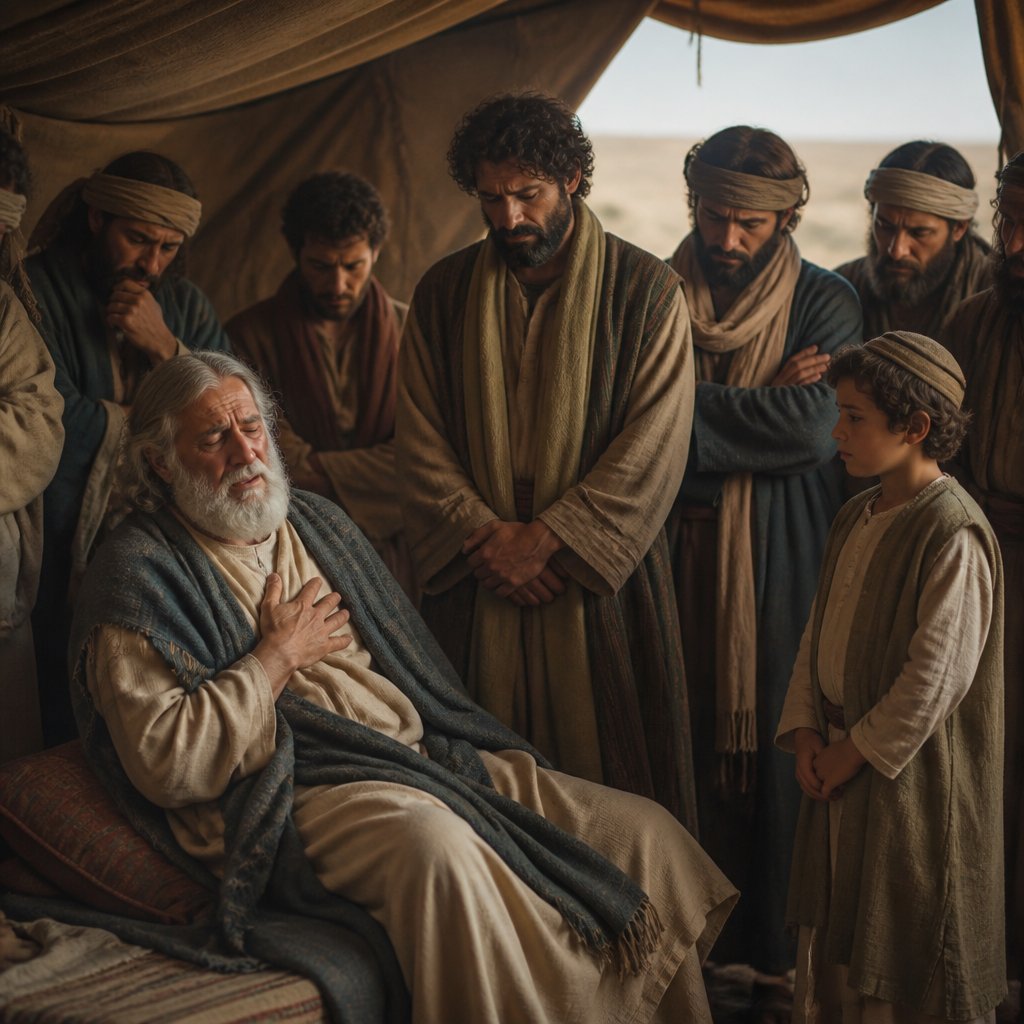
In Genesis 42:36, we read a poignant expression of grief and despair from Jacob: "And Jacob their father said unto them, Me have ye bereaved of my children: Joseph is not, and Simeon is not, and ye will take Benjamin away: all these things are against me." This statement encapsulates the crux of a father's deep anguish and the overwhelming sense of loss that came from the series of events that had unfolded in his life.
To fully appreciate Jacob's lament, we must understand the context of his statement. Jacob endured the heart-wrenching loss of his beloved son, Joseph, who had been presumed dead after an encounter with his brothers. His grief was compounded by the anxiety over Simeon, who remained imprisoned in Egypt, and the looming threat of losing Benjamin, the last of Rachel's children whom Jacob cherished deeply. Jacob’s emotional turmoil reflects a profound and relatable human experience — the interplay between love and loss, hope and despair.
At the heart of Jacob’s complaint is a familiar sentiment of injustice. "All these things are against me" conveys not just a feeling of being besieged by circumstances but also a crisis of faith. In Jacob’s eyes, his life was unraveling with devastating losses. His narrative seems to confirm the belief that God is distant or absent in times of suffering. It’s easy for us to sympathize with Jacob, as we often find ourselves echoing similar words in our own trials. We may face circumstances that feel crushing, be it the loss of a loved one, the betrayal of a friend, or even the anxiety of an uncertain future.
However, in these moments of frustration, we are invited to reconsider our perspective of suffering and loss through the divine lens of God’s sovereignty. Although Jacob was filled with despair, the overarching story of Genesis nudges us toward a more profound understanding. There is a divine purpose intricately woven throughout Jacob’s painful journey. Joseph, though lost to him at that moment, was being prepared for greatness in Egypt. The trials that Jacob faced were not just against him; they were, unbeknownst to him, part of a greater narrative of redemption and restoration.
Similar themes can be observed throughout scripture. The apostle Paul reminds us in Romans 8:28 that "And we know that all things work together for good to them that love God, to them who are the called according to His purpose." This verse reorients our focus from our suffering to God’s ultimate plan, which is often hidden from our immediate view. Just as Jacob could not have foreseen that his son's apparent misfortunes would lead to salvation for his family during a famine, we too can trust that God is working in ways we do not see.
Let us also reflect on the reality of communal suffering and support. Jacob felt isolated in his sorrow, yet we are part of a body that bears one another's burdens (Galatians 6:2). During our toughest days, we can lean on the relationships God has placed in our lives — friends, family, or our church community. Sharing our sorrows and seeking counsel may lighten our heavy hearts. God can use others to bring comfort into our grieving lives, reminding us that we are not alone.
Finally, let us consider the hope infused within despair. Jacob’s story did not end in darkness. Soon, Benjamin would be returned, and a reunion with Joseph awaited him, revealing the restoration possible through God’s providence. Our struggles may seem insurmountable today, but we have the assurance that God is faithful, and His redemptive work often lies beneath the surface of our immediate suffering. In all things, we are encouraged to trust — perhaps with trembling hearts — that God works not against us but for our ultimate good.
As you go about your day, let Jacob's heartache remind you that while we can grieve openly and honestly, we must also remember not to allow our circumstances to dictate our trust in God. He is for us, even when life feels as though it is against us.
Want to reflect more on Genesis 42:36?
Continue your spiritual journey with Bible Chat — an AI-powered tool for exploring God's Word through conversation. Ask questions, discover connections, and deepen your understanding.
Get Our Apps


Genesis 42:36 Artwork

Genesis 42:36 - "And Jacob their father said unto them, Me have ye bereaved of my children: Joseph is not, and Simeon is not, and ye will take Benjamin away: all these things are against me."
"And Jacob their father said unto them, Me have ye bereaved of my children: Joseph is not, and Simeon is not, and ye will take Benjamin away: all these things are against me." - Genesis 42:36

Genesis 36:42 - "Duke Kenaz, duke Teman, duke Mibzar,"

"Duke Kenaz, duke Teman, duke Mibzar," - Genesis 36:42

Genesis 42:29

Genesis 24-42

Genesis 36:36 - "And Hadad died, and Samlah of Masrekah reigned in his stead."

Genesis 42:1-2

Genesis 42:26 - "And they laded their asses with the corn, and departed thence."

Genesis 24:36

Genesis 19-36

Genesis 42:8 - "And Joseph knew his brethren, but they knew not him."

Genesis 42:17 - "And he put them all together into ward three days."

Genesis 42:3 - "¶ And Joseph's ten brethren went down to buy corn in Egypt."

Genesis 42:31 - "And we said unto him, We are true men; we are no spies:"

Genesis 36:28 - "The children of Dishan are these; Uz, and Aran."

"And Hadad died, and Samlah of Masrekah reigned in his stead." - Genesis 36:36

Genesis 42:23 - "And they knew not that Joseph understood them; for he spake unto them by an interpreter."

Genesis 36:27 - "The children of Ezer are these; Bilhan, and Zaavan, and Akan."

Genesis 41:41-42 focus on signet ring

Genesis 42:12 - "And he said unto them, Nay, but to see the nakedness of the land ye are come."

Genesis 36:19 - "These are the sons of Esau, who is Edom, and these are their dukes."

Genesis 36:3 - "And Bashemath Ishmael's daughter, sister of Nebajoth."

Genesis 36:1 - "Now these are the generations of Esau, who is Edom."

Genesis 36:26 - "And these are the children of Dishon; Hemdan, and Eshban, and Ithran, and Cheran."

Genesis 36:9 - "¶ And these are the generations of Esau the father of the Edomites in mount Seir:"

Genesis 42:11 - "We are all one man's sons; we are true men, thy servants are no spies."

Genesis 42:14 - "And Joseph said unto them, That is it that I spake unto you, saying, Ye are spies:"

Genesis 42:5 - "And the sons of Israel came to buy corn among those that came: for the famine was in the land of Canaan."

Genesis 36:41 - "Duke Aholibamah, duke Elah, duke Pinon,"