Dukes of Edom: Legacy, Identity, and Divine Purpose
"Duke Aholibamah, duke Elah, duke Pinon," - Genesis 36:41
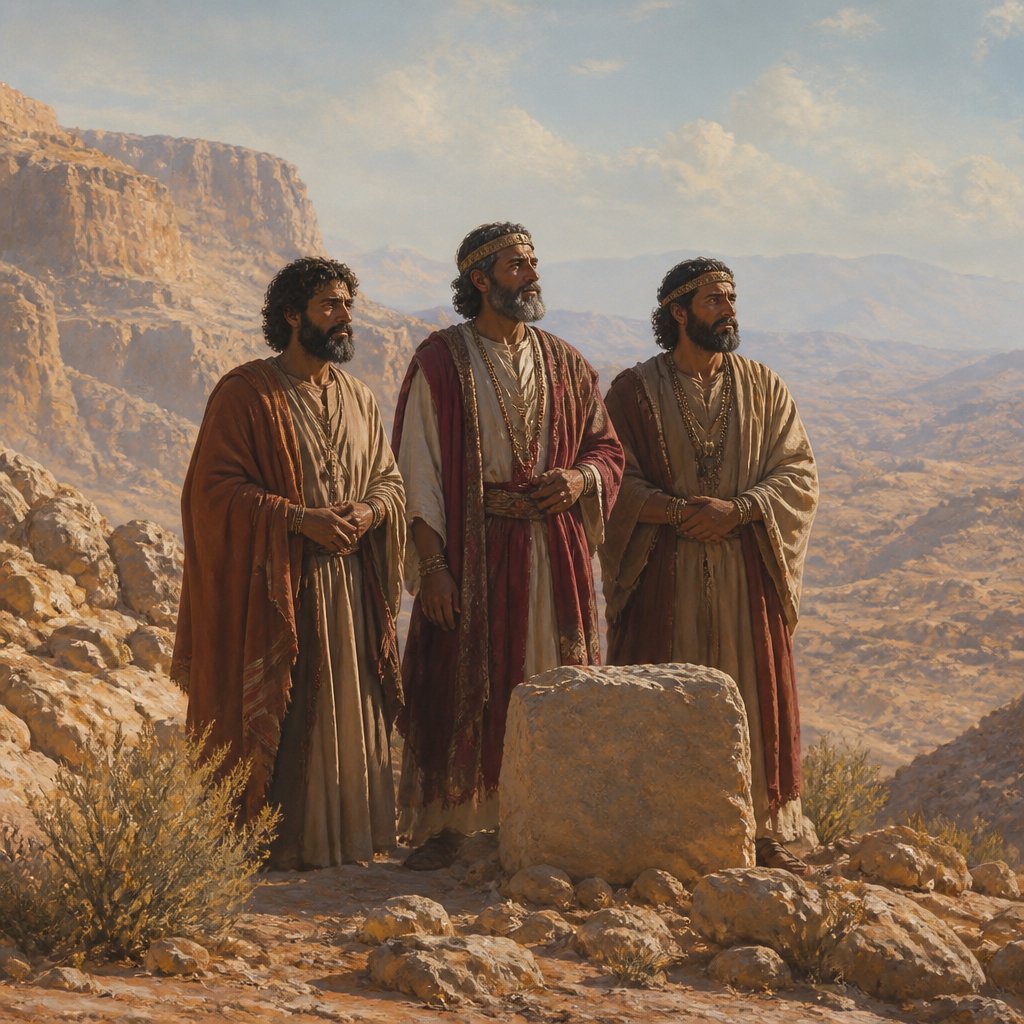
**Genesis 36:41**: "Duke Aholibamah, duke Elah, duke Pinon."
As we delve into Genesis 36:41, we find ourselves confronted with a list of names - names that may seem mundane or difficult to relate to at first glance. However, this verse opens a window into the rich history and legacy that shapes not only individuals but entire nations. In the KJV, we see the mention of Duke Aholibamah, Duke Elah, and Duke Pinon, who were the descendants of Esau. They serve as significant figures within the genealogy of Edom, a nation that emerges from the lineage of Esau, Jacob's brother.
### Understanding Esau's Legacy
To understand these dukes, we must take a step back and reflect on Esau himself. Esau was the firstborn of Isaac and Rebecca, a man marked by physical prowess but who made choices that led him to lose his birthright to Jacob. The birthright was not merely a cultural or familial trinket; it held spiritual significance and a promise of divine blessing. Yet Esau, in a moment of hunger and desperation, traded his birthright for a meal. This act was not just about food but represented a deeper spiritual disconnection from God’s covenant.
Despite his failures, Esau became the father of a great nation, evidenced through the dukes mentioned in Genesis 36. Here, we see a beautiful and profound truth: our past does not determine our potential for greatness. Each duke represents a legacy and an identity that signifies how God can bring forth significance from what may seem like a flawed lineage.
### The Dukes and Their Leadership
Each duke mentioned—Aholibamah, Elah, and Pinon—serves not only as a title of nobility but as reminders that God still redeems and uses our stories in ways we may never fully comprehend. Each duke governed tribes and carried the weight of leadership. In many ways, they symbolize our own roles: as parents, friends, community leaders, and as part of the larger body of Christ.
Leadership is a serious responsibility, one that reflects our values and the teachings of Christ. In the context of these dukes, we are called to consider how we embrace our own identities and roles in the world. We have been entrusted with stewardship that extends beyond our personal lives. Our actions impact families, communities, and future generations.
### The Call to Legacy
The mention of these dukes ultimately invites us to reflect on what we want our legacies to communicate. Will we be remembered for momentary decisions as Esau was, or will we step into our God-given identities and embrace the call to lead with integrity and purpose?
In the New Testament, we are reminded that our identities are not tied to our past decisions or failures. "Therefore, if any man be in Christ, he is a new creature: old things are passed away; behold, all things are become new" (2 Corinthians 5:17). Just as God brought forth a nation through Esau, He continuously creates and redeems our stories, inviting us to turn our focus on Him.
### Conclusion
As we reflect on Genesis 36:41, let us not overlook the power of what notable names—the dukes of Edom—represent. They invite us to consider our identities and our walks in faith, underscoring a divine truth: that we each hold a unique place in God's grand narrative, equipped with a purpose that transcends our pasts.
May we embrace our identities and seek to lead with courage and love, knowing that we have a God who honors our stories and redeems our legacies for the sake of His kingdom.
Want to reflect more on Genesis 36:41?
Continue your spiritual journey with Bible Chat — an AI-powered tool for exploring God's Word through conversation. Ask questions, discover connections, and deepen your understanding.
Get Our Apps


Genesis 36:41 Artwork

Genesis 36:41 - "Duke Aholibamah, duke Elah, duke Pinon,"
"Duke Aholibamah, duke Elah, duke Pinon," - Genesis 36:41

Genesis 41:36 - "And that food shall be for store to the land against the seven years of famine, which shall be in the land of Egypt; that the land perish not through the famine."
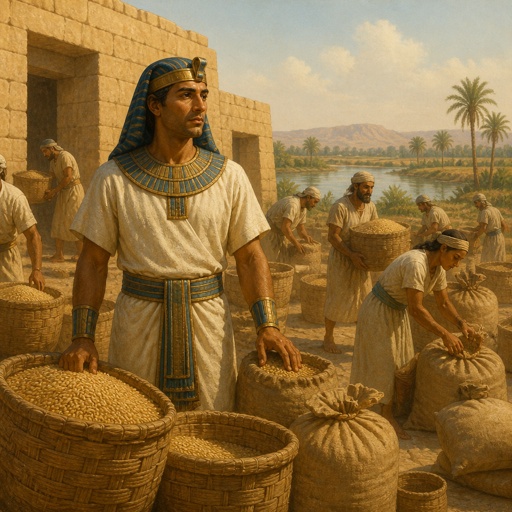
"And that food shall be for store to the land against the seven years of famine, which shall be in the land of Egypt; that the land perish not through the famine." - Genesis 41:36

Genesis 41:41 and make pharaoh black

Genesis 24-41

Genesis 41:41-42 focus on signet ring

Genesis 36:36 - "And Hadad died, and Samlah of Masrekah reigned in his stead."

Genesis 41:41 - "And Pharaoh said unto Joseph, See, I have set thee over all the land of Egypt."

Genesis 24:36

Genesis 19-36

Genesis 41:47 - "And in the seven plenteous years the earth brought forth by handfuls."

Genesis 36:28 - "The children of Dishan are these; Uz, and Aran."

"And Hadad died, and Samlah of Masrekah reigned in his stead." - Genesis 36:36

Genesis 36:27 - "The children of Ezer are these; Bilhan, and Zaavan, and Akan."

Genesis 36:19 - "These are the sons of Esau, who is Edom, and these are their dukes."

Genesis 36:3 - "And Bashemath Ishmael's daughter, sister of Nebajoth."

Genesis 36:1 - "Now these are the generations of Esau, who is Edom."

Genesis 41:53 - "¶ And the seven years of plenteousness, that was in the land of Egypt, were ended."

Genesis 36:26 - "And these are the children of Dishon; Hemdan, and Eshban, and Ithran, and Cheran."

Genesis 36:42 - "Duke Kenaz, duke Teman, duke Mibzar,"

Genesis 36:9 - "¶ And these are the generations of Esau the father of the Edomites in mount Seir:"

Genesis 41:37 - "¶ And the thing was good in the eyes of Pharaoh, and in the eyes of all his servants."

Genesis 19:36 - "Thus were both the daughters of Lot with child by their father."

Genesis 36:8 - "Thus dwelt Esau in mount Seir: Esau is Edom."

Genesis 41:31 - "And the plenty shall not be known in the land by reason of that famine following; for it shall be very grievous."

Genesis 41:29 - "Behold, there come seven years of great plenty throughout all the land of Egypt:"

Genesis 36:25 - "And the children of Anah were these; Dishon, and Aholibamah the daughter of Anah."

Genesis 36:4 - "And Adah bare to Esau Eliphaz; and Bashemath bare Reuel;"

Genesis 36:11 - "And the sons of Eliphaz were Teman, Omar, Zepho, and Gatam, and Kenaz."