The Transition of Power: Lessons from Husham to Hadad
"And Husham died, and Hadad the son of Bedad, who smote Midian in the field of Moab, reigned in his stead: and the name of his city was Avith." - Genesis 36:35
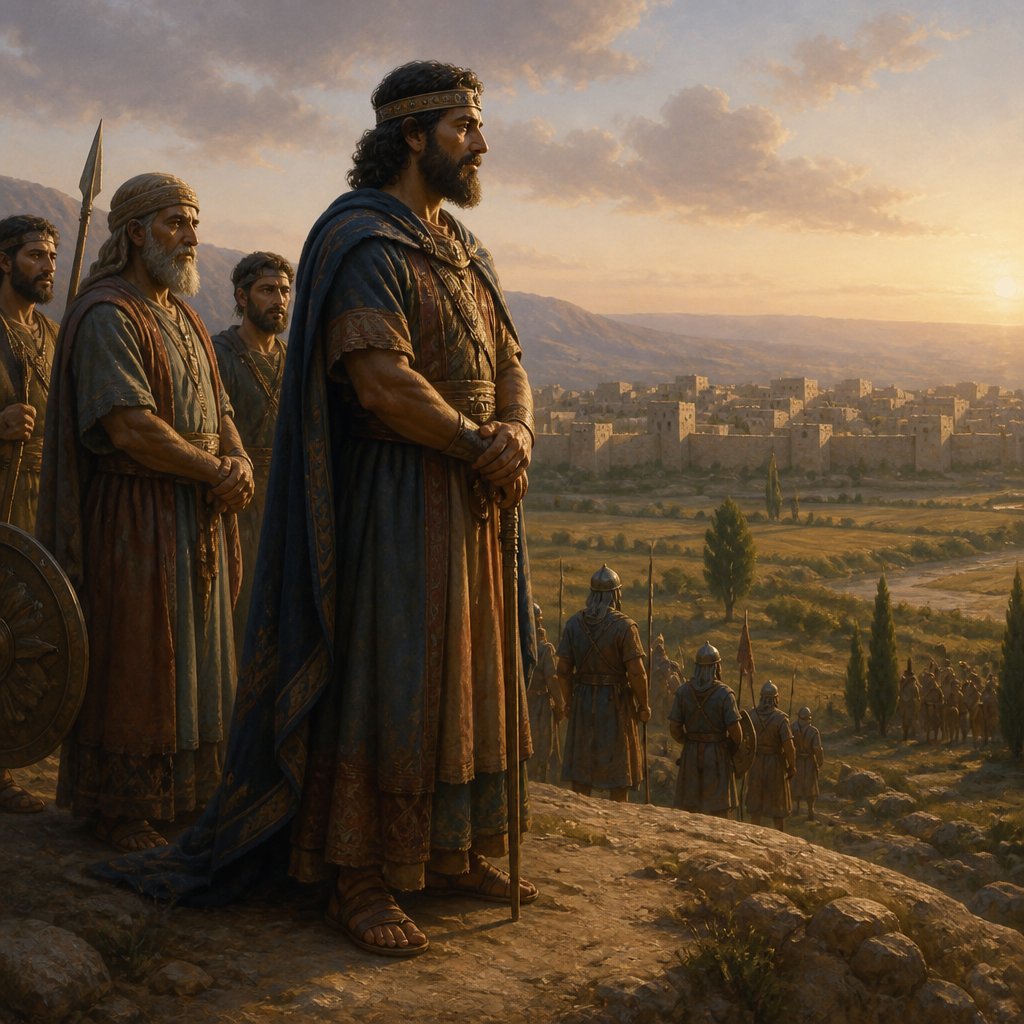
The book of Genesis is often seen as the foundation of the Bible, where God’s creation unfolds, and the lineage of mankind is carefully documented. Genesis 36 presents a genealogy of Esau, which may appear mundane and uninspiring at first glance, but within its carefully crafted sections lies profound truth about leadership, succession, and God's sovereignty over history. Genesis 36:35, states, "And Husham died, and Hadad the son of Bedad, who smote Midian in the field of Moab, reigned in his stead: and the name of his city was Avith." What can we learn from this brief yet significant passage?
**1. The Inevitability of Change**
In this verse, Husham's death signifies the end of an era, one that reminds us that all leaders eventually pass away. Whether through natural death, resignation, or sudden tragedy, all human authority is temporary. Change is a constant force in life, and we must remain flexible and ready to adapt. The cyclical nature of leadership is evident here; just as one leader steps down, another rises to take their place. This serves as a powerful reminder of the transitory nature of power and the importance of preparing the next generation of leaders in our families, churches, and communities.
Want to reflect more on Genesis 36:35?
Continue your spiritual journey with Bible Chat — an AI-powered tool for exploring God's Word through conversation. Ask questions, discover connections, and deepen your understanding.
Get Our Apps


Genesis 36:35 Artwork

Genesis 36:35 - "And Husham died, and Hadad the son of Bedad, who smote Midian in the field of Moab, reigned in his stead: and the name of his city was Avith."
"And Husham died, and Hadad the son of Bedad, who smote Midian in the field of Moab, reigned in his stead: and the name of his city was Avith." - Genesis 36:35

Genesis 36:36 - "And Hadad died, and Samlah of Masrekah reigned in his stead."

Genesis 24:36

Genesis 19-36

Genesis 19-35

Genesis 26:35

Genesis 31:35

Genesis 24-35

Exodus 36:35 - "¶ And he made a vail of blue, and purple, and scarlet, and fine twined linen: with cherubims made he it of cunning work."

Ezekiel 36:35 - "And they shall say, This land that was desolate is become like the garden of Eden; and the waste and desolate and ruined cities are become fenced, and are inhabited."

genesis 26:1-35

Genesis 35:16-20

Genesis 29:16-35

Genesis 36:28 - "The children of Dishan are these; Uz, and Aran."

Genesis 35:24 - "The sons of Rachel; Joseph, and Benjamin:"

"And Hadad died, and Samlah of Masrekah reigned in his stead." - Genesis 36:36

Genesis 36:27 - "The children of Ezer are these; Bilhan, and Zaavan, and Akan."

Genesis 36:3 - "And Bashemath Ishmael's daughter, sister of Nebajoth."

Genesis 36:19 - "These are the sons of Esau, who is Edom, and these are their dukes."

Genesis 36:1 - "Now these are the generations of Esau, who is Edom."

Genesis 36:26 - "And these are the children of Dishon; Hemdan, and Eshban, and Ithran, and Cheran."

Genesis 36:42 - "Duke Kenaz, duke Teman, duke Mibzar,"

Genesis 36:9 - "¶ And these are the generations of Esau the father of the Edomites in mount Seir:"

Genesis 35:25 - "And the sons of Bilhah, Rachel's handmaid; Dan, and Naphtali:"

Genesis 36:41 - "Duke Aholibamah, duke Elah, duke Pinon,"

Genesis 35:28 - "And the days of Isaac were an hundred and fourscore years."

Genesis 36:8 - "Thus dwelt Esau in mount Seir: Esau is Edom."

Genesis 19:36 - "Thus were both the daughters of Lot with child by their father."

Genesis 26:35 - "Which were a grief of mind unto Isaac and to Rebekah."