The Legacy of Esau: A Reflection on Identity and Heritage
"These are the sons of Esau, who is Edom, and these are their dukes." - Genesis 36:19

**Devotional: The Legacy of Esau: A Reflection on Identity and Heritage**
In the vast tapestry of Scripture, Genesis 36:19 reveals a seemingly simple genealogy: “These are the sons of Esau, who is Edom, and these are their dukes.” Yet, buried within this verse lies a deep exploration of identity, purpose, and legacy that encourages us to consider our own spiritual ancestry and how it shapes who we are today.
Esau, the elder brother of Jacob, is a figure often surrounded by complexity. His narrative is one of conflict, struggle, and ultimately, a yearning for acceptance. He was the man who sold his birthright for a meal, driven by immediate needs and desires (Genesis 25:29-34). This act set the stage for his identity—one intertwined with choices that seemed impulsive and unwise. Nevertheless, through this seemingly negative portrayal, we can unearth profound lessons.
The name “Edom” means “red”, derived from the red stew for which he traded his birthright. In this sense, Esau’s identity was forever marked by his decisions and the consequences that followed. When we consider the weight of his legacy, it's worth reflecting on how our own actions define us. Are we pursuing momentary pleasures at the expense of our long-term calling? Each day, we face decisions that carve our identity into our families, communities, and ultimately, our walk with God.
In our daily lives, we may not be selling our birthrights, but we often grapple with choices that define us just as significantly. Do we choose short-term gains—perhaps in careers, relationships, or personal satisfaction—over the eternal blessings God desires for us? The account of Esau serves as a cautionary tale, urging us to seek a deeper understanding of our identity in Christ. As believers, we find our true identity not in transient titles, possessions, or imperfections but in the enduring love and grace offered through Jesus.
Moreover, Esau’s sons and their title of “dukedom” represent a shift in his legacy. While he is often seen as a figure of resentment and bitterness, we witness his lineage becoming significant. Their name carries the weight of rulership; they became leaders in Edom. This aspect of Esau’s legacy is a reminder that even if mistakes shape our past, they do not have to dictate our future. God, in His sovereignty, can still use our lineage for His glory.
We are reminded in Scripture that God uses imperfect vessels to fulfill His purposes. Just as Esau's descendants became dukes, our families, although flawed, can carry legacies of faith. Consider what narratives are being woven in your family tree. Are there stories of struggle that have led to transformative faith? Are there lessons of perseverance amidst adversity? Recognizing and celebrating these elements of our heritage does not only honor our ancestors but also encourages us to forge paths of faithfulness in our own lives.
Today, let us ponder the connections between our identity, choices, and the legacy we leave behind. While Esau made decisions that led him down a tumultuous road, the role of his offspring reminds us that restoration and purpose can emerge even from brokenness.
As we embrace our identity in Christ, we must commit ourselves to choices that reflect His character, engage in relationships that nurture life, and declare our heritage as a lineage blessed by the grace of God. In a world that often seeks to redefine us, we can stand firm, knowing that we are sons and daughters of the Most High, called to lead, to serve, and to love. Amen.
Want to reflect more on Genesis 36:19?
Continue your spiritual journey with Bible Chat — an AI-powered tool for exploring God's Word through conversation. Ask questions, discover connections, and deepen your understanding.
Get Our Apps


Genesis 36:19 Artwork

Genesis 36:19 - "These are the sons of Esau, who is Edom, and these are their dukes."

"These are the sons of Esau, who is Edom, and these are their dukes." - Genesis 36:19

Genesis 19-36

Genesis 19:36 - "Thus were both the daughters of Lot with child by their father."

"Thus were both the daughters of Lot with child by their father." - Genesis 19:36

Genesis 36:36 - "And Hadad died, and Samlah of Masrekah reigned in his stead."

Genesis 24:36

Joshua 19:36 - "And Adamah, and Ramah, and Hazor,"

Genesis 36:28 - "The children of Dishan are these; Uz, and Aran."

"And Hadad died, and Samlah of Masrekah reigned in his stead." - Genesis 36:36

Luke 19:36 - "And as he went, they spread their clothes in the way."

Genesis 36:27 - "The children of Ezer are these; Bilhan, and Zaavan, and Akan."

Genesis 36:3 - "And Bashemath Ishmael's daughter, sister of Nebajoth."

Genesis 36:1 - "Now these are the generations of Esau, who is Edom."

Genesis 36:26 - "And these are the children of Dishon; Hemdan, and Eshban, and Ithran, and Cheran."

Genesis 36:42 - "Duke Kenaz, duke Teman, duke Mibzar,"

Genesis 36:9 - "¶ And these are the generations of Esau the father of the Edomites in mount Seir:"

Genesis 36:41 - "Duke Aholibamah, duke Elah, duke Pinon,"

Genesis 36:8 - "Thus dwelt Esau in mount Seir: Esau is Edom."

Genesis 36:25 - "And the children of Anah were these; Dishon, and Aholibamah the daughter of Anah."

Genesis 36:4 - "And Adah bare to Esau Eliphaz; and Bashemath bare Reuel;"

"And Adamah, and Ramah, and Hazor," - Joshua 19:36

Genesis 36:11 - "And the sons of Eliphaz were Teman, Omar, Zepho, and Gatam, and Kenaz."

Genesis 19-19

Genesis 36:23 - "And the children of Shobal were these; Alvan, and Manahath, and Ebal, Shepho, and Onam."

Genesis 36:34 - "And Jobab died, and Husham of the land of Temani reigned in his stead."

Genesis 36:22 - "And the children of Lotan were Hori and Hemam; and Lotan's sister was Timna."
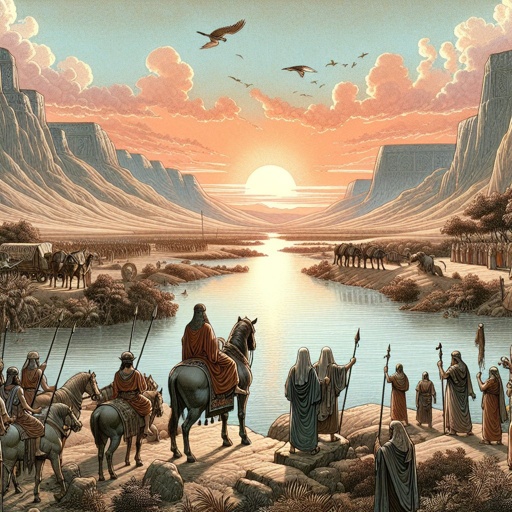
Genesis 36:37 - "And Samlah died, and Saul of Rehoboth by the river reigned in his stead."

Job 36:19 - "Will he esteem thy riches? no, not gold, nor all the forces of strength."

Genesis 36:33 - "And Bela died, and Jobab the son of Zerah of Bozrah reigned in his stead."