Legacy of Faithfulness: Lessons from Aholibamah and Esau
"¶ And these were the sons of Aholibamah, the daughter of Anah the daughter of Zibeon, Esau's wife: and she bare to Esau Jeush, and Jaalam, and Korah." - Genesis 36:14
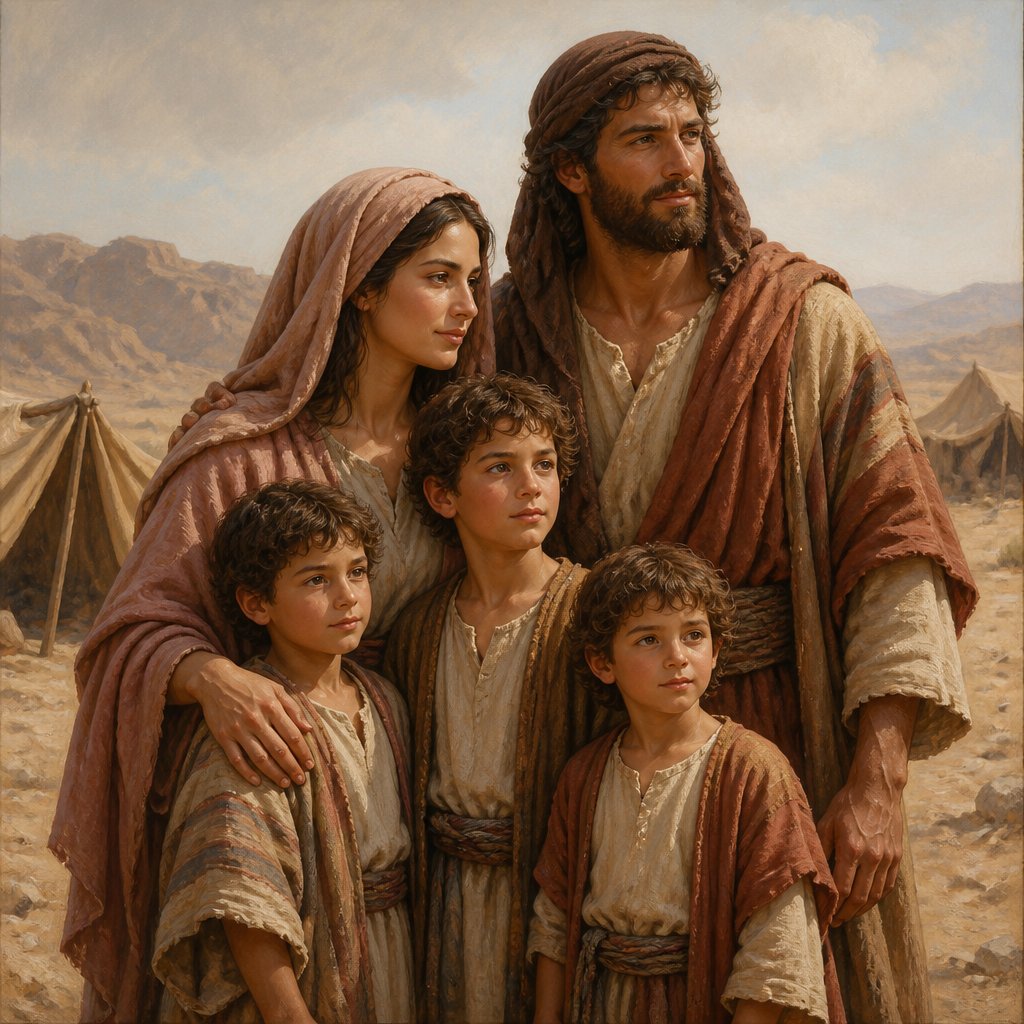
As we delve into the intricacies of the genealogies in the Bible, it is easy to overlook passages that appear dry or solely historical. Yet, in Genesis 36:14, we encounter a succinct yet rich tapestry of relationships and legacy:
"And these were the sons of Aholibamah, the daughter of Anah the daughter of Zibeon, Esau's wife: and she bare to Esau Jeush, and Jaalam, and Korah." (KJV)
At first glance, this verse might seem like just another listing of names in the long lineage of characters in the Bible. However, there are profound insights worth exploring from this verse, particularly concerning Aholibamah, Esau, and the impact of their lineage.
### Aholibamah: A Woman of Influence
Aholibamah’s name means “the tent of the father.” It signifies a place of influence and shelter, highlighting her role as a matriarch within her family. She is a reminder that women play critically important roles in the development and lineage of faith within families. Aholibamah's inclusion in this genealogy speaks to her status and the conversations around womanhood in biblical narratives. The ability to bear children, particularly sons in this context, signifies her contribution to the continuation of Esau's lineage, which was significant in the history of the Israelites.
### Esau's Choice and Its Consequences
Esau, often seen through the lens of his impulsive decision to sell his birthright, provides a powerful lesson on choices. His choice of Aholibamah, a Hittite woman, symbolizes a departure from his family's values and heritage. The union with Esau is noteworthy because it illustrates how relationships can affect spiritual and familial legacies. Esau's marriage to Aholibamah was an example of mixed marriages that ultimately impacted the subsequent generations and their relationship with God. The question for us today is: how do our choices affect our legacy?
### The Sons: Jeush, Jaalam, and Korah
The names of Aholibamah's sons—Jeush, Jaalam, and Korah—carry their own significance. These names may reflect various attributes, aspirations, or characteristics valued by their parents. In biblical tradition, names often conveyed destiny or hoped-for virtues. Jeush means 'he who is saved' or 'to save,’ suggesting a legacy of salvation. Jaalam can be interpreted as 'the one who hides,' perhaps alluding to the deeper spiritual meanings of protection and preservation. Korah means 'bald,' traditionally linked with a sense of purity; it may also point to the act of making a significant change.
Behind these names lies the pressing question of identity and purpose. How did these sons carry the significance of their names into their own lives? As parents and leaders today, we must consider how we cultivate a sense of identity and future purpose in our children or those we mentor. Each generation is called to build upon the foundation laid by the previous one, and our actions can either strengthen or weaken that heritage.
### A Reflection on Legacy
This genealogical listing teaches that our lives are linked in a divine tapestry, where our actions echo through generations. Aholibamah and Esau remind us that every choice matters. Livelihoods, identities, and faith are nurtured within the home, through love, actions, and what we choose to instill in the next generation. A holy legacy doesn't just happen; it is deliberately passed on through integrity, vision, and faithfulness.
As we ponder this verse, let its truths resonate in our lives. Are we creating a legacy of faith that our children and peers can inherit? Are the names we give—figuratively and literally—representative of our hopes for their futures? May we be inspired to forge relationships that honor God and foster legacies of faithfulness and righteousness.
In conclusion, Genesis 36:14, stitched into the narrative of God's people, offers more than a historical account; it beckons us to examine our roles, our choices, and the enduring impact we have on our families and communities.
Want to reflect more on Genesis 36:14?
Continue your spiritual journey with Bible Chat — an AI-powered tool for exploring God's Word through conversation. Ask questions, discover connections, and deepen your understanding.
Get Our Apps


Genesis 36:14 Artwork
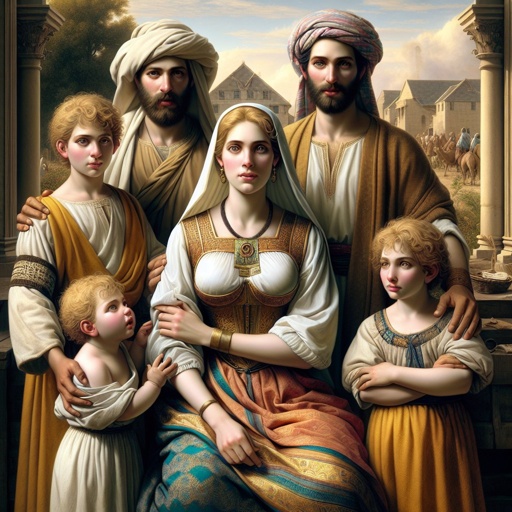
Genesis 36:14 - "¶ And these were the sons of Aholibamah, the daughter of Anah the daughter of Zibeon, Esau's wife: and she bare to Esau Jeush, and Jaalam, and Korah."
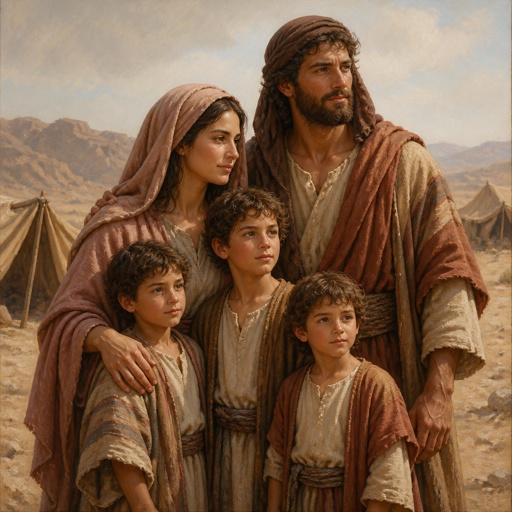
"¶ And these were the sons of Aholibamah, the daughter of Anah the daughter of Zibeon, Esau's wife: and she bare to Esau Jeush, and Jaalam, and Korah." - Genesis 36:14

Genesis 36:36 - "And Hadad died, and Samlah of Masrekah reigned in his stead."

Genesis 24:36

Genesis 19-36

Genesis 36:28 - "The children of Dishan are these; Uz, and Aran."

"And Hadad died, and Samlah of Masrekah reigned in his stead." - Genesis 36:36

Genesis 36:27 - "The children of Ezer are these; Bilhan, and Zaavan, and Akan."

1 Corinthians 14:36

1 Corinthians 14:36

Genesis 36:3 - "And Bashemath Ishmael's daughter, sister of Nebajoth."

Genesis 36:19 - "These are the sons of Esau, who is Edom, and these are their dukes."

Genesis 36:1 - "Now these are the generations of Esau, who is Edom."

Genesis 36:26 - "And these are the children of Dishon; Hemdan, and Eshban, and Ithran, and Cheran."

Genesis 36:42 - "Duke Kenaz, duke Teman, duke Mibzar,"

Genesis 36:9 - "¶ And these are the generations of Esau the father of the Edomites in mount Seir:"

Genesis 36:41 - "Duke Aholibamah, duke Elah, duke Pinon,"

Job 36:14 - "They die in youth, and their life is among the unclean."

Genesis 36:8 - "Thus dwelt Esau in mount Seir: Esau is Edom."

Genesis 19:36 - "Thus were both the daughters of Lot with child by their father."

1 Corinthians 14:36-40

1 Corinthians 14:36-37

Genesis 36:25 - "And the children of Anah were these; Dishon, and Aholibamah the daughter of Anah."

Genesis 36:4 - "And Adah bare to Esau Eliphaz; and Bashemath bare Reuel;"

Genesis 36:11 - "And the sons of Eliphaz were Teman, Omar, Zepho, and Gatam, and Kenaz."

Genesis 36:23 - "And the children of Shobal were these; Alvan, and Manahath, and Ebal, Shepho, and Onam."

Genesis 36:34 - "And Jobab died, and Husham of the land of Temani reigned in his stead."

Genesis 36:22 - "And the children of Lotan were Hori and Hemam; and Lotan's sister was Timna."
Genesis 36:37 - "And Samlah died, and Saul of Rehoboth by the river reigned in his stead."

Genesis 36:33 - "And Bela died, and Jobab the son of Zerah of Bozrah reigned in his stead."