Legacy in Lineage: Lessons from the Sons of Esau
"These are the names of Esau's sons; Eliphaz the son of Adah the wife of Esau, Reuel the son of Bashemath the wife of Esau." - Genesis 36:10
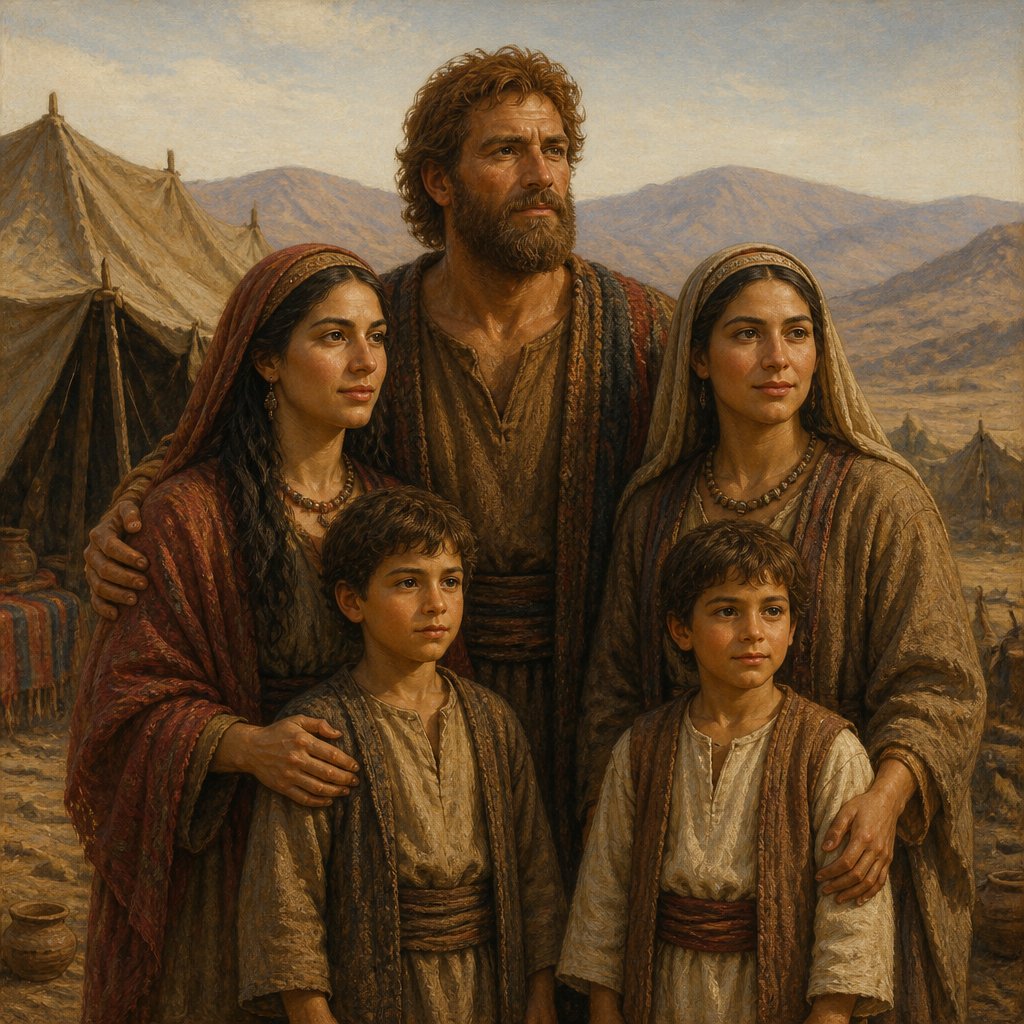
As we delve into Genesis 36:10, we encounter a seemingly straightforward listing of names: "These are the names of Esau's sons; Eliphaz the son of Adah the wife of Esau, Reuel the son of Bashemath the wife of Esau." At first glance, this verse might appear to be merely a genealogical record, a mere footnote in the grand narrative of the Bible. Yet, when we pause to meditate on it, we can glean profound insight into the nature of legacy, identity, and God's overarching plan for humanity.
### The Importance of Names
In biblical times, names were not just labels; they carried weighty significance. They often encapsulated the hopes, dreams, and destinies of the individuals. Just as Jacob received the name Israel after wrestling with God, so too do Esau's sons carry names that tell part of their story. Eliphaz, the son of Adah, and Reuel, the son of Bashemath, were not just offspring; they represented the continuation of Esau's legacy and identity which came with their birth.
### Understanding Esau’s Legacy
Esau's story in the Bible is rife with conflict, primarily between him and his brother Jacob. Known as the twin who traded his birthright for a bowl of stew, Esau symbolizes the struggle many face between current desires and future blessings. His lineage in Genesis 36 is a reminder that while Esau made significant mistakes, God still chose to record his family line in Scripture.
Esau was the progenitor of nations, and his children became chiefs and leaders in their own right. This reminds us that our actions, decisions, and even failures can have lasting impacts on generations. We must consider the legacies we are building—are we creating a heritage of faith, character, and integrity, or are we passing on negative legacies of bitterness and strife?
### The Role of the Women
Notably, we see the mention of Esau's wives, Adah and Bashemath. This detail offers us a glimpse into the influential role women play in shaping families and legacies. Adah means 'ornament' while Bashemath translates to 'fragrance.' Their names evoke imagery of beauty and pleasure—a reminder that the influence of a wife or mother extends beyond immediate family to the shaping of future generations. As we reflect on our own roles in our families, we are prompted to consider how we can contribute positively to the legacies we are building.
### Identity in God's Plan
Genesis 36 highlights Esau's descendants, which later become the Edomites, a people who would have a complex relationship with Israel. God's intricate plan threads through these family lines, showing us that even those who appear to stray from His intended path can be woven into the great tapestry of salvation history. Just as Esau's lineage plays a part in God's plan, so do we all have roles to fulfill in His narrative.
Each name mentioned represents a unique story and contributes to the unfolding story of God's creation. Our personal stories—our struggles, success, names, and legacies—are significant to God. We are called to submit our histories to Him, trusting that He can redeem and use them for His glory.
### Conclusion: A Call to Reflect
Let us take a moment to reflect upon our own identities and legacies. What will those we leave behind remember us for? Like Esau's sons, our names will outlive us; may they be a source of blessing rather than burdens. In our pursuit of God, we should seek to build a legacy rooted in His truth, grace, and love. As we carry forward the wisdom of God's Word, we are encouraged to consciously shape the narratives of our lives that reflect His glory. Let us strive to be the kind of people who, like Esau's sons, are part of a lineage that honors God and underscores His divine plan.
Want to reflect more on Genesis 36:10?
Continue your spiritual journey with Bible Chat — an AI-powered tool for exploring God's Word through conversation. Ask questions, discover connections, and deepen your understanding.
Get Our Apps


Genesis 36:10 Artwork

Genesis 36:10 - "These are the names of Esau's sons; Eliphaz the son of Adah the wife of Esau, Reuel the son of Bashemath the wife of Esau."
"These are the names of Esau's sons; Eliphaz the son of Adah the wife of Esau, Reuel the son of Bashemath the wife of Esau." - Genesis 36:10

Genesis 36:36 - "And Hadad died, and Samlah of Masrekah reigned in his stead."

Genesis 24:36

Genesis 19-36

Genesis 36:28 - "The children of Dishan are these; Uz, and Aran."

"And Hadad died, and Samlah of Masrekah reigned in his stead." - Genesis 36:36

Genesis 36:27 - "The children of Ezer are these; Bilhan, and Zaavan, and Akan."

Genesis 36:3 - "And Bashemath Ishmael's daughter, sister of Nebajoth."

Genesis 36:19 - "These are the sons of Esau, who is Edom, and these are their dukes."

Genesis 36:1 - "Now these are the generations of Esau, who is Edom."

Genesis 36:26 - "And these are the children of Dishon; Hemdan, and Eshban, and Ithran, and Cheran."

Genesis 36:42 - "Duke Kenaz, duke Teman, duke Mibzar,"

Genesis 36:9 - "¶ And these are the generations of Esau the father of the Edomites in mount Seir:"

Ezra 10:36 - "Vaniah, Meremoth, Eliashib,"

Genesis 36:41 - "Duke Aholibamah, duke Elah, duke Pinon,"

Genesis 36:8 - "Thus dwelt Esau in mount Seir: Esau is Edom."

Genesis 19:36 - "Thus were both the daughters of Lot with child by their father."

Genesis 36:25 - "And the children of Anah were these; Dishon, and Aholibamah the daughter of Anah."

Genesis 36:4 - "And Adah bare to Esau Eliphaz; and Bashemath bare Reuel;"

Genesis 36:11 - "And the sons of Eliphaz were Teman, Omar, Zepho, and Gatam, and Kenaz."

Genesis 36:23 - "And the children of Shobal were these; Alvan, and Manahath, and Ebal, Shepho, and Onam."

Genesis 36:34 - "And Jobab died, and Husham of the land of Temani reigned in his stead."

Genesis 36:22 - "And the children of Lotan were Hori and Hemam; and Lotan's sister was Timna."
Genesis 36:37 - "And Samlah died, and Saul of Rehoboth by the river reigned in his stead."

Genesis 36:33 - "And Bela died, and Jobab the son of Zerah of Bozrah reigned in his stead."

Genesis 36:38 - "And Saul died, and Baal-hanan the son of Achbor reigned in his stead."

Matthew 10:36 - "And a man's foes shall be they of his own household."

Genesis 36:21 - "And Dishon, and Ezer, and Dishan: these are the dukes of the Horites, the children of Seir in the land of Edom."

Genesis 36:32 - "And Bela the son of Beor reigned in Edom: and the name of his city was Dinhabah."