The Power of Intercession: Seeking Mercy in the Storms of Life
"Intreat the LORD (for it is enough) that there be no more mighty thunderings and hail; and I will let you go, and ye shall stay no longer." - Exodus 9:28
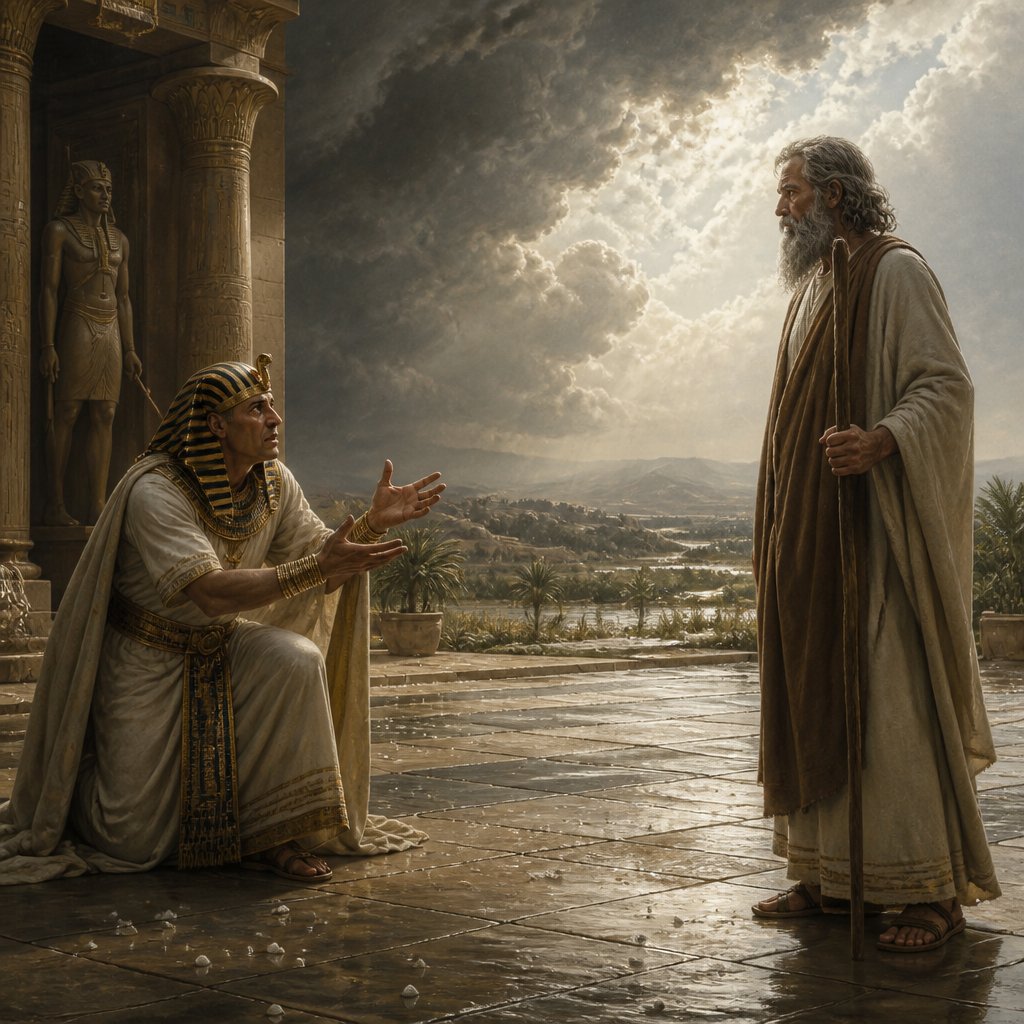
Exodus 9:28 states, "Intreat the LORD (for it is enough) that there be no more mighty thunderings and hail; and I will let you go, and ye shall stay no longer." This verse encapsulates a crucial moment in the dynamics of God's interaction with His people and portrays the profound weight of intercession in the face of calamity.
To better understand this encounter, we must place ourselves at the crossroads of history, where the Israelites were suffering under the hand of Pharaoh's oppression in Egypt. As God unleashed His judgments upon Pharaoh and the Egyptians through a series of plagues, each one was intended not only to demonstrate God's supremacy over the false gods of Egypt but also to compel Pharaoh to release the enslaved people.
The phrase "Intreat the LORD" comes from the mouth of Pharaoh, the very person whose heart God had hardened. Here lays an irony: the oppressor acknowledges the power of God in the face of nature's fury. The mighty thunderings and hail represent more than just judgment; they symbolize the overwhelming power of the Almighty in the natural world, which aligns with His purposes. In his moment of desperation, Pharaoh recognizes that he can no longer withstand the hand of God.
This verse invites us into the practice of intercessory prayer. Pharaoh, despite his hardened heart, asks Moses to plead with God on behalf of himself and his people. It is a moment that urges us to reflect on the essence of intercession. Intercession is not merely asking God for favors; it is a heartfelt plea for mercy on behalf of others, even those who may not deserve it. In this case, Pharaoh seeks Moses' help, knowing that he himself is powerless against the storms that God has unleashed.
The word "intreat" indicates a deep, earnest appeal. It speaks to the urgency and intensity behind the request. In our lives, how often do we find ourselves or those around us caught in storms—emotional upheavals, financial difficulties, health crises, or spiritual battles? In the face of such storms, we are invited to intercede, to call upon the Name of the Lord, not only for ourselves but for others as well. Like Moses, who became a mediator between God and Pharaoh, we too can stand in the gap for those stricken by the turmoil of life.
Pharaoh's request is one steeped in desperation, realizing that the judgments on him are enough—we are to understand the gravity of the situation from his perspective. How often do we find ourselves in positions where we feel the burdens of our sins or the weight of the world on our shoulders? At that moment of revelation, when we grasp how much our present circumstance is influenced by the storms around us, it is crucial to remember that it is not too late to turn to God in repentance and seek His mercy.
In the context of our Christian walk, we can learn from Pharaoh’s actions. Even in moments when we may resist God’s will or harden our hearts against His calling, there can come a time of reckoning—a moment when we acknowledge the need for divine intervention. Just as Pharaoh sought an end to the calamity through Moses, we must also seek the cessation of our storms through prayer.
Ultimately, Exodus 9:28 is not merely about pestilence and natural disasters; it teaches us about God’s willingness to listen to our cries and desires for relief. The invitation to pray and intercede brings hope into bleak situations. In doing so, we may receive not only mercy for ourselves but become vessels of hope for others.
In conclusion, let us cherish the power of intercession and realize that reaching out to God in prayer can transform our circumstances. With He who commands the storms, we must come with humility, seeking His favor. As we implore, "Intreat the Lord," let us remember that mercy can be found even in the fiercest of storms, and that through our supplication, we may witness the might of God’s grace at work.
Want to reflect more on Exodus 9:28?
Continue your spiritual journey with Bible Chat — an AI-powered tool for exploring God's Word through conversation. Ask questions, discover connections, and deepen your understanding.
Get Our Apps


Exodus 9:28 Artwork

Exodus 9:28 - "Intreat the LORD (for it is enough) that there be no more mighty thunderings and hail; and I will let you go, and ye shall stay no longer."
"Intreat the LORD (for it is enough) that there be no more mighty thunderings and hail; and I will let you go, and ye shall stay no longer." - Exodus 9:28

Exodus 28:9 - "And thou shalt take two onyx stones, and grave on them the names of the children of Israel:"
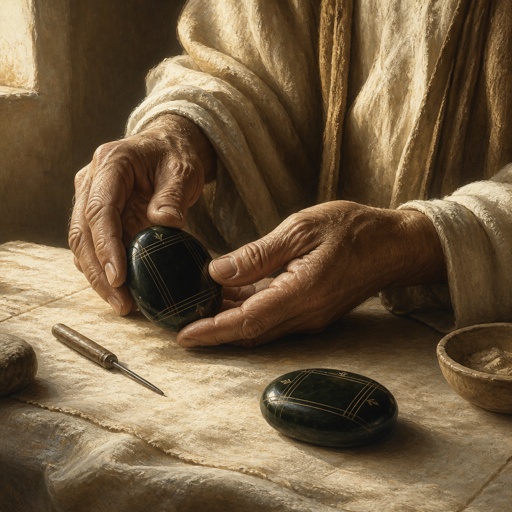
"And thou shalt take two onyx stones, and grave on them the names of the children of Israel:" - Exodus 28:9

Exodus 22:28

Exodus 28:4

Exodus 22:28

Exodus 23:28

Exodus 32:28

Exodus 22:28

Exodus 22:28

Exodus 22:28

exodus 28 ephod

Exodus 28:4

Exodus 28:4

Exodus 22:28

Exodus 28:4

Exodus 22:28

Exodus 22:28

Exodus 22:28

Exodus 22:28

Exodus 22:28

Exodus 23:28

Exodus 22:28

Exodus 22:28

Exodus 22:28

Exodus 28:30-43

Exodus 28:31-43

Exodus 28:31-34

Exodus 23:27-28