Returning to the Heart of God: Lessons from Exodus 32:31
"And Moses returned unto the LORD, and said, Oh, this people have sinned a great sin, and have made them gods of gold." - Exodus 32:31
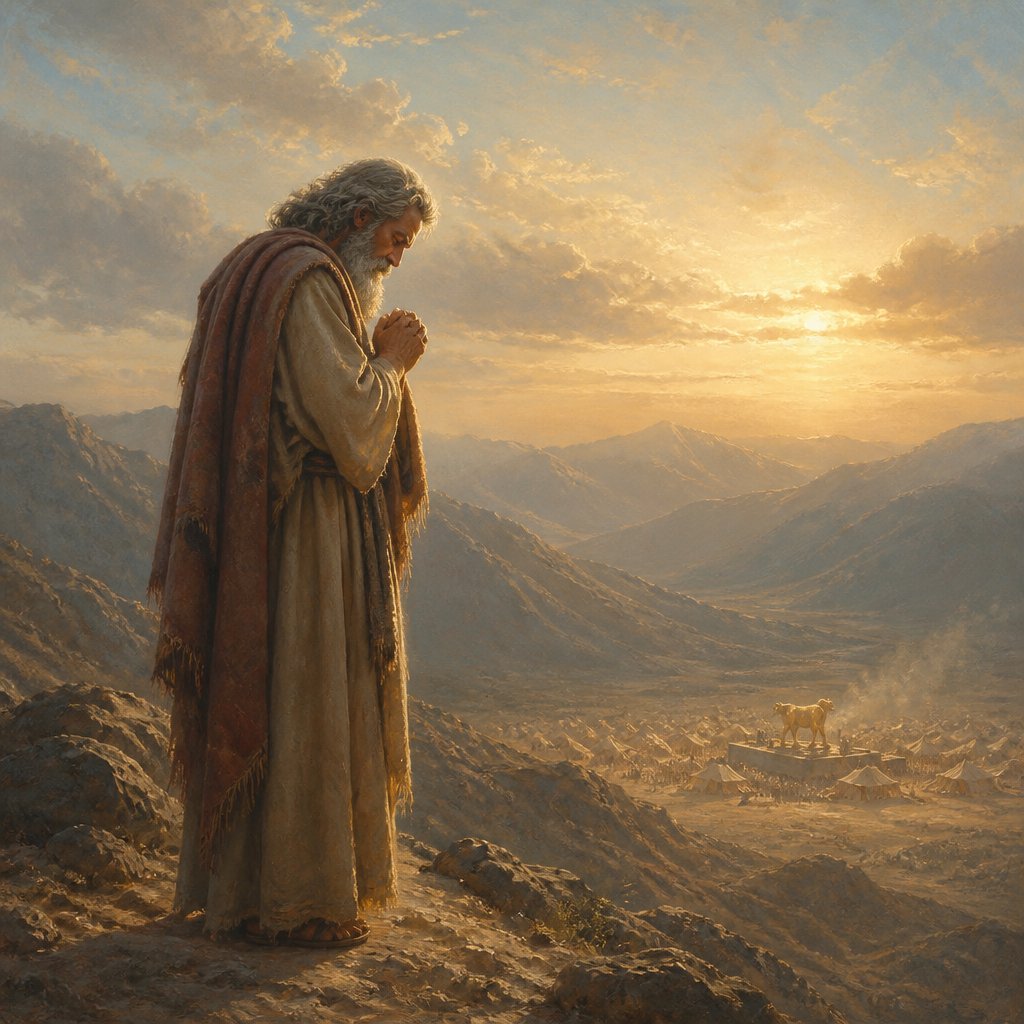
In Exodus 32:31, we find a poignant moment in the life of Moses that encapsulates the struggle of the human spirit in the face of sin and the deep yearning for reconciliation with God. The verse states, "And Moses returned unto the LORD, and said, Oh, this people have sinned a great sin, and have made them gods of gold." This invocation from Moses highlights both the gravity of sin and the immense responsibility that leaders bear in guiding their people toward righteousness.
Moses, fresh from receiving the Ten Commandments, experiences the aftermath of Israel’s rebellion—a startling contrast to the covenant he had just accepted on their behalf. The people, overwhelmed by fear and uncertainty in Moses's prolonged absence on Mount Sinai, seek comfort in the form of a tangible god. They create an idol, a golden calf, totally forsaking the God who liberated them from slavery. Moses’s return symbolizes a desperate plea for mercy in light of this betrayal.
When we reflect on this passage, one might ask, how often do we stray into our own forms of idolatry in our lives? It is easy to point fingers at the Israelites, yet we must examine our own hearts, as anything that takes precedence over our faith might be an idol—a pursuit, a relationship, or even our ambition. In contemporary times, we may not craft gold idols, but we surely construct barriers that distance us from unwavering faith in God. With fear, distress, or desires unbridled, we too can forget the boundless provision and love of our true God.
Moses’ lament at the sin of the people emphasizes his deep intercession for them. He does not seek to shift blame; rather, he takes on the responsibility with humility, recognizing the weight of their transgression. The nature of true leadership, as exemplified by Moses, is to shoulder the burdens of others, praying fervently that they may find their way back to God. In verse 32, Moses continues to plead with God, saying, "Yet now, if thou wilt forgive their sin, forgive it; but if not, blot me, I pray thee, out of thy book which thou hast written." Here, we see the heart of an intercessor—Moses asks God to spare the people’s lives, even at the cost of his own standing.
This brings us to a critical reflection on the power of prayer and the role of intercession. How often do we stand in the gap for others who have strayed? Our prayers have the potential to reach the deepest places of despair, advocating for mercy and compassion for those lost in their sins. When we intercede, we align ourselves with God’s character—our petition reflecting His desire to forgive and restore.
Further, this passage highlights the dual aspects of God’s nature: His holiness and His mercy. While He cannot condone sin, His love yearns for the restoration of a relationship with His people. As we journey through our days, we must cultivate a heart that recognizes the severity of sin while clinging to the hope found in Christ. Jesus’ sacrifice serves as the ultimate intercession for humanity’s sin; through His grace, we find forgiveness and the opportunity to turn back to God’s embrace.
In our lives, when we identify the golden calves we’ve crafted, what steps are we prepared to take for restoration? Moses returned to the LORD, confronting the reality of sin with honesty. May we develop such an openness with our Heavenly Father, bringing our struggles into the light and seeking to realign our lives with His purpose.
Moses’ return to God in prayer shows that healing begins when we acknowledge our failings and turn back to Him. Just as Moses interceded for Israel, let us commit ourselves to prayer, authenticity, and action. In doing so, we embrace the heavenly promise of salvation, knowing that in our return to God, we reflect His mercy and grace in a world yearning for hope.”} ``` For your Bible study or group discussion, contemplate the following questions: 1. What are some "golden calves" in your life that may have taken precedence over your relationship with God? 2. How can you become more like Moses in your intercession for others? 3. In what ways can the church collectively return to God when distractions lead to disobedience? Through deep contemplation and prayer, may your heart find genuine restoration in Him.
Want to reflect more on Exodus 32:31?
Continue your spiritual journey with Bible Chat — an AI-powered tool for exploring God's Word through conversation. Ask questions, discover connections, and deepen your understanding.
Get Our Apps


Exodus 32:31 Artwork

Exodus 32:31-32 So Moses returned to the LORD and said, “Oh, what a great sin these people have committed! They have made gods of gold for themselves. / Yet now, if You would only forgive their sin.... But if not, please blot me out of the book that You have written.” Exodus 32:31-32

Exodus 32:31 - "And Moses returned unto the LORD, and said, Oh, this people have sinned a great sin, and have made them gods of gold."
"And Moses returned unto the LORD, and said, Oh, this people have sinned a great sin, and have made them gods of gold." - Exodus 32:31

Exodus 32:28

Luke 22:31-32 - "Luke 22:31-32: And the Lord said, Simon, Simon, behold, Satan hath desired to have you, that he may sift you as wheat: But I have prayed for thee, that thy faith fail not: and when thou art converted, strengthen thy brethren."

Exodus 31: 18

Exodus 25:31

Exodus 26:31

Exodus 26:31

Exodus 26:31

Deuteronomy 32:31 - "For their rock is not as our Rock, even our enemies themselves being judges."

Job 31:32 - "The stranger did not lodge in the street: but I opened my doors to the traveller."

Exodus 28:31-43

Exodus 28:31-34

Exodus 28:31-43

Exodus 28:31-34

Exodus 26:31-33

Exodus 28:31-34

Exodus 31:12 - "¶ And the LORD spake unto Moses, saying,"

Exodus 32:32 - "Yet now, if thou wilt forgive their sin--; and if not, blot me, I pray thee, out of thy book which thou hast written."

Exodus 31:1 - "And the LORD spake unto Moses, saying,"

Exodus 23:32 - "Thou shalt make no covenant with them, nor with their gods."

Exodus 35:32 - "And to devise curious works, to work in gold, and in silver, and in brass,"

Exodus 9:32 - "But the wheat and the rie were not smitten: for they were not grown up."

The Plague of Flies - Exodus 8:20-32

The Plague of Flies - Exodus 8:20-32.

The Plague of Flies - Exodus 8:20-32

Genesis 32:31 - "And as he passed over Penuel the sun rose upon him, and he halted upon his thigh."

Exodus 9:31 - "And the flax and the barley was smitten: for the barley was in the ear, and the flax was bolled."

Exodus 28:31 - "¶ And thou shalt make the robe of the ephod all of blue."