The Essence of Charity: More Than Acts of Love
"And though I bestow all my goods to feed the poor, and though I give my body to be burned, and have not charity, it profiteth me nothing." - 1 Corinthians 13:3
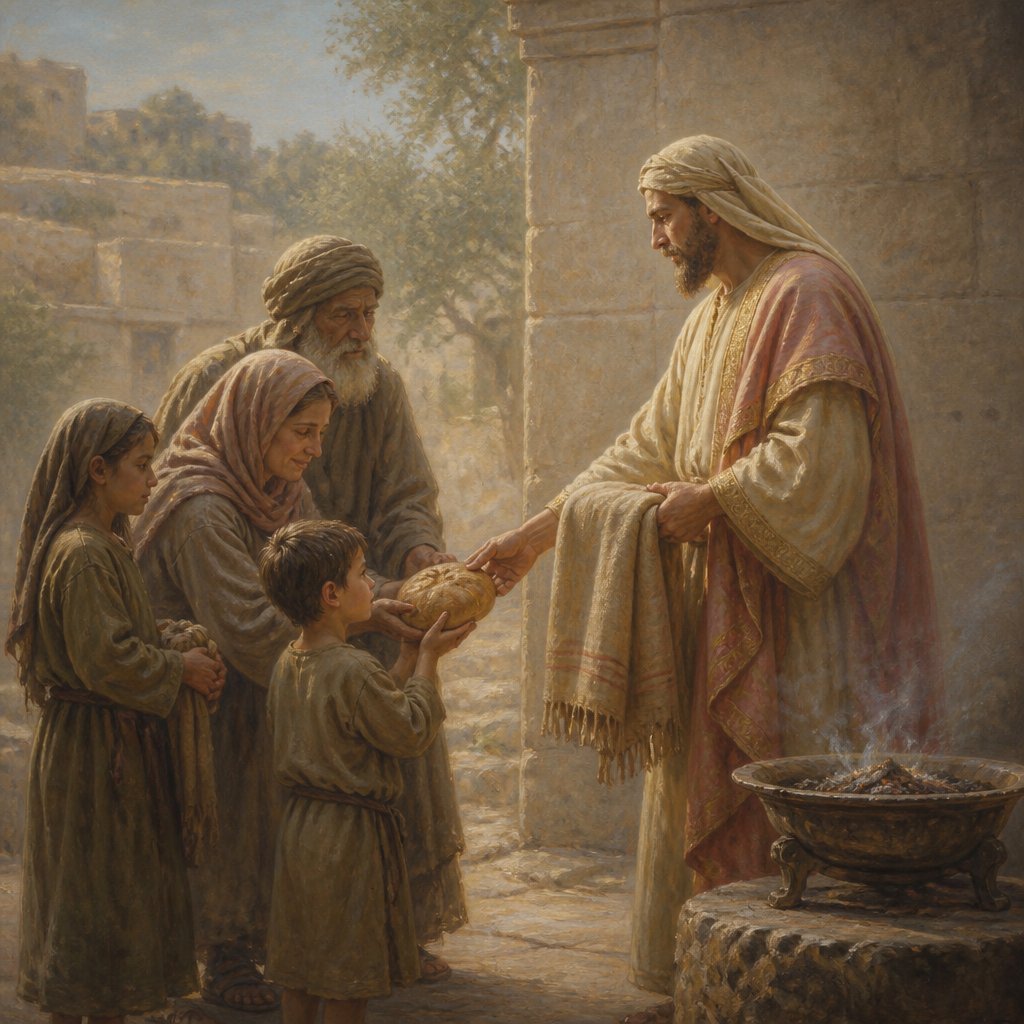
In 1 Corinthians 13:3, Paul strikingly declares, "And though I bestow all my goods to feed the poor, and though I give my body to be burned, and have not charity, it profiteth me nothing." These words prompt serious reflection on what it means to truly love and the intrinsic value of our actions when disconnected from the heart's intent. In a world that often equates donations and self-sacrifice with righteousness, Paul's admonition serves as a sobering reminder that without love—charity, as translated from the Greek word ‘agape’—our actions, no matter how noble, become void of meaning.
At the heart of this verse is a stark contrast between external deeds and internal motives. Paul was addressing the Corinthian church, which was rife with division and competition over spiritual gifts. He writes to elevate the importance of love as the highest virtue and the multiplier of all other gifts and actions. Even in moments of physical sacrifice or acts of significant charity, if not rooted in God’s love, these deeds lack eternal value. Paul suggests that our giving and sacrifices must align with the divine love for them to resonate genuinely and impactfully in the lives around us.
We often find ourselves in situations where we feel compelled to respond with tangible acts of kindness—feeding the hungry, offering shelter to the homeless, or even going as far as sacrificing our comforts for the sake of others. In doing these things, we feel good about ourselves, almost as if we have fulfilled a spiritual obligation. However, Paul challenges us to inspect the heart behind these actions. Do we give out of obligation, or do we give because our hearts are moved by love? Is our charity merely an effort to gain favor, or does it spring from a genuine desire to reflect God’s love in the world?
Consider the powerful imagery Paul uses: "to give my body to be burned." The implications here highlight the extremity of sacrifice—this is not merely giving away possessions but the ultimate expression of self-denial. In the early church context, martyrdom was a revered act. Yet, Paul states that even this profound commitment, without the foundation of love, is devoid of any true profit. All true Christians aspire to follow Christ’s example of selflessness; however, our capacity to love in the way Christ desires—is rooted in charity.
So how do we cultivate this kind of charity? First, we must seek a deeper relationship with God, allowing His love to flow into us and through us. In 1 John 4:19 we read, "We love him, because he first loved us." This divine love transforms our hearts, enabling us to give not from a place of need to fulfill duties but as an overflow of our relationship with God. Prayer, reading of scripture, and being in communion with fellow believers are vital in this journey toward a heart of charity.
Second, we’re called to be mindful of our actions' spirit and purpose. Engaging with those in need should come with empathy, understanding, and kindness. Genuine love is often expressed in small, everyday actions—listening to someone who is hurting, offering encouragement, or simply being present. It’s in these moments of authenticity that charity shines the brightest.
As we reflect on this verse, let it resonate in our hearts. Acts of service and sacrifice, while commendable, are hollow without a foundation of love. We must continually ask ourselves: What motivates our actions? Are we driven by self-interest or genuine love? Let's not only aspire to give but let us strive to do so with a heart aligned with the love of Christ. Remember, it is only through charity that what we do can truly make an everlasting difference. May our lives profit the kingdom of God, rooted in His boundless love.
Want to reflect more on 1 Corinthians 13:3?
Continue your spiritual journey with Bible Chat — an AI-powered tool for exploring God's Word through conversation. Ask questions, discover connections, and deepen your understanding.
Get Our Apps


1 Corinthians 13:3 Artwork

1 Corinthians 13:3 - "And though I bestow all my goods to feed the poor, and though I give my body to be burned, and have not charity, it profiteth me nothing."
"And though I bestow all my goods to feed the poor, and though I give my body to be burned, and have not charity, it profiteth me nothing." - 1 Corinthians 13:3

1 Corinthians 12:3-13
![1 Corinthians 13:13
1 Corinthians 13:13
[13] So now faith, hope, and love abide, these three; but the greatest of these is love. (ESV)](https://media.bible.art/3da57222-9f49-4158-a2a3-7a49b5dc4437-thumbnail.jpg)
1 Corinthians 13:13 1 Corinthians 13:13 [13] So now faith, hope, and love abide, these three; but the greatest of these is love. (ESV)

1 Corinthians 13:13

1 Corinthians 13 :13

1 Corinthians 13

1 Corinthians 13:4-6

1 Corinthians 13:4-6

1 Corinthians 13:4-6

1 Corinthians 13:4-6

1 Corinthians 13:4-6

1 Corinthians 13:4-6

1 Corinthians 13:4-6

1 Corinthians 13:4-6

1 Corinthians 3:13 - "Every man's work shall be made manifest: for the day shall declare it, because it shall be revealed by fire; and the fire shall try every man's work of what sort it is."

1 Corinthians 13:4-7

1 Corinthians 13:4-7

1 Corinthians 13:4-7

1 Corinthians 13:4-7

1 Corinthians 10:13

1 Corinthians 13:13 - "And now abideth faith, hope, charity, these three; but the greatest of these is charity."

1 corinthians 3:16-17

1 Corinthians 10:13

1 Corinthians 10:13

1 corinthians 3:16-17

1 corinthians 3:16-17

1 Corinthians 15:13 - "But if there be no resurrection of the dead, then is Christ not risen:"

1 Corinthians 13:6 - "Rejoiceth not in iniquity, but rejoiceth in the truth;"

1 Corinthians 12:12-13