A Dedicated Prayer for Servants in the Church
"I commend unto you Phebe our sister, which is a servant of the church which is at Cenchrea:" - Romans 16:1
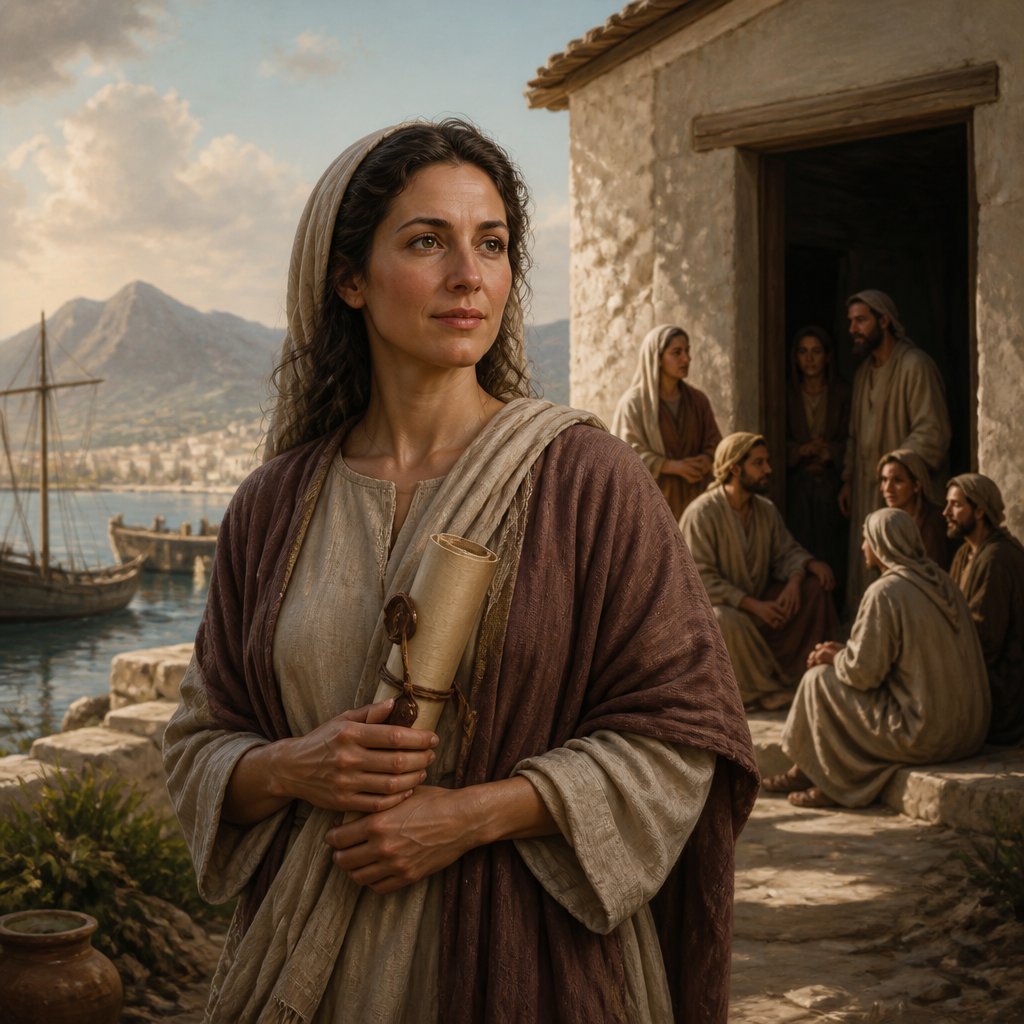
Heavenly Father,
We come before You today in humble reverence, lifting our hearts in thanksgiving for the wonderful gift of community and fellowship within Your Church. We praise You for the way You have orchestrated relationships among us, and we express our gratitude for every individual whom You have called into service, just as Paul commended Phebe, our sister, in Romans 16:1.
"I commend unto you Phebe our sister, which is a servant of the church which is at Cenchrea."
Lord, as we reflect on this verse, we acknowledge the depth of meaning behind the life and service of Phebe, a woman chosen to serve not only within her local church but also as a messenger of the Gospel. We ask that You instill in us the same spirit of dedication and service that Phebe exhibited, recognizing her role as an integral part of the body of Christ.
Teach us, Father, the importance of our responsibilities within the family of God and the significance of serving one another in love and humility. Just as Phebe was a servant, inspire us to serve the church and our communities with willing hearts, leveraging our gifts and talents for Your glory.
We pray for all who serve in various capacities in Your Church, Lord. May they be strengthened and empowered by Your Holy Spirit. Protect them from discouragement and fatigue, for sometimes the burden of service can feel overwhelming. Remind them that they are not alone, and that through the body of the Church, they find support and encouragement. We ask that You raise up more servants like Phebe, who are eager to step forward and embrace the calling to serve.
Help us to view our every act of service, no matter how small, as a representation of Your love, grace, and kindness to others. Let no one in Your Church feel unimportant or overlooked, for we know that each member has a vital role in fulfilling Your divine purpose.
Father, we pray specifically for those who are in situations similar to Phebe’s, who may be found serving in communities where they often go unnoticed. Grant them the recognition and affirmation they deserve. Let them know that their dedication has not gone unseen by You, and remind them of the eternal impact their service has on the lives of those around them.
We also ask for Your wisdom and guidance in our hearts as we commend others – allow us to speak words of encouragement that lift others up, just as Paul commended Phebe to the church in Rome. May our praises and commendations reflect Your love and grace towards one another, fostering a spirit of unity and peace within the body of Christ.
Lord, help us to build a Church that reflects Your character, where every member feels valued and empowered to serve. May we be a community that celebrates one another’s gifts and contributions, and encourages each person to step out boldly in faith to fulfill the calling You have placed on their lives.
Finally, we pray for all churches around the world, especially those in places of persecution or hardship. Strengthen the hands that serve in such difficult conditions, and may Your peace be their comfort. As we remember Phebe, inspire in us a greater love for those who labor and serve in Your name.
We thank You, Father, for Phebe and all the faithful servants present in our lives today. We commit our hearts to serving with purpose and passion, and we pray that in all we do, we glorify Your holy name.
In the mighty name of Jesus, we pray,
Amen.
Want to pray more deeply over Romans 16:1?
Explore this scripture further with Bible Chat — an AI-powered tool for diving deeper into God's Word through conversation. Ask questions, find related verses, and enrich your faith.
Get Our Apps


Romans 16:1 Artwork

Romans 16:1 - "I commend unto you Phebe our sister, which is a servant of the church which is at Cenchrea:"
"I commend unto you Phebe our sister, which is a servant of the church which is at Cenchrea:" - Romans 16:1

Create an image that depicts what we see In Romans 16:1-16, 21-23, where Paul is writing his letter and concluding it to the church in Rome by greeting a long list of individuals. These greetings reveal the incredible diversity of the early church, including people of different ethnic backgrounds, social standings, and both men and women. Paul mentions several women, including Phoebe, Priscilla, and Mary, who were actively serving and respected within the community, despite the cultural norms that often marginalized women. Paul also describes these individuals with terms of endearment, such as “my beloved” and “my fellow workers,” showing his deep care and genuine relationships with the people, even though he had never visited the church in Rome. Throughout this list, Paul repeatedly emphasizes that these relationships and their service are “in Christ” or “in the Lord,” underscoring the unity they share in Jesus. This passage serves as a beautiful picture of a diverse but unified church, connected by their faith and love for Christ.
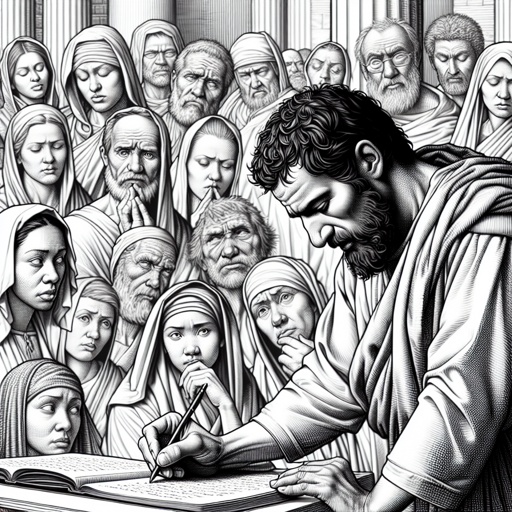
Create an image that depicts what we see In Romans 16:1-16, 21-23, where Paul is writing his letter and concluding it to the church in Rome by greeting a long list of individuals -- thinking of them in his mind. These greetings reveal the incredible diversity of the early church, including people of different ethnic backgrounds, social standings, and both men and women. Paul mentions several women, including Phoebe, Priscilla, and Mary, who were actively serving and respected within the community, despite the cultural norms that often marginalized women. Paul also describes these individuals with terms of endearment, such as “my beloved” and “my fellow workers,” showing his deep care and genuine relationships with the people, even though he had never visited the church in Rome. Throughout this list, Paul repeatedly emphasizes that these relationships and their service are “in Christ” or “in the Lord,” underscoring the unity they share in Jesus. This passage serves as a beautiful picture of a diverse but unified church, connected by their faith and love for Christ.

Create an image that depicts what we see In Romans 16:1-16, 21-23, where Paul concludes his letter to the church in Rome by greeting a long list of individuals. These greetings reveal the incredible diversity of the early church, including people of different ethnic backgrounds, social standings, and both men and women. Paul mentions several women, including Phoebe, Priscilla, and Mary, who were actively serving and respected within the community, despite the cultural norms that often marginalized women. Paul also describes these individuals with terms of endearment, such as “my beloved” and “my fellow workers,” showing his deep care and genuine relationships with the people, even though he had never visited the church in Rome. Throughout this list, Paul repeatedly emphasizes that these relationships and their service are “in Christ” or “in the Lord,” underscoring the unity they share in Jesus. This passage serves as a beautiful picture of a diverse but unified church, connected by their faith and love for Christ.
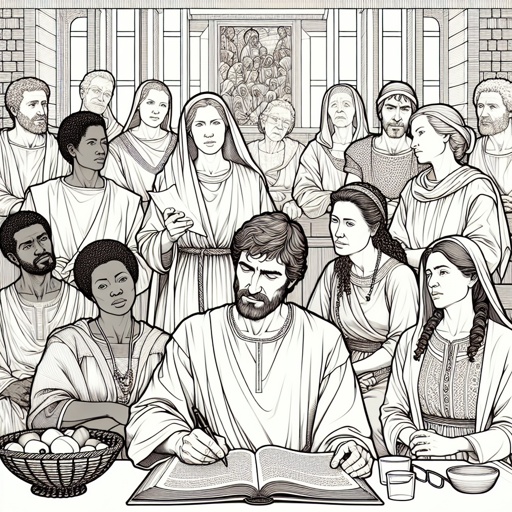
Create an image that depicts what we see In Romans 16:1-16, 21-23, where Paul is writing his letter and concluding it to the church in Rome by greeting a long list of individuals. These greetings reveal the incredible diversity of the early church, including people of different ethnic backgrounds, social standings, and both men and women. Paul mentions several women, including Phoebe, Priscilla, and Mary, who were actively serving and respected within the community, despite the cultural norms that often marginalized women. Paul also describes these individuals with terms of endearment, such as “my beloved” and “my fellow workers,” showing his deep care and genuine relationships with the people, even though he had never visited the church in Rome. Throughout this list, Paul repeatedly emphasizes that these relationships and their service are “in Christ” or “in the Lord,” underscoring the unity they share in Jesus. This passage serves as a beautiful picture of a diverse but unified church, connected by their faith and love for Christ.
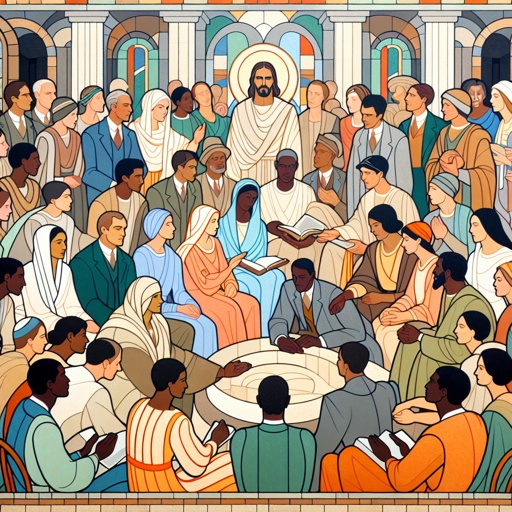
Create an image that depicts what we see In Romans 16:1-16, 21-23, where Paul is writing his letter and concluding it to the church in Rome by greeting a long list of individuals. These greetings reveal the incredible diversity of the early church, including people of different ethnic backgrounds, social standings, and both men and women. Paul mentions several women, including Phoebe, Priscilla, and Mary, who were actively serving and respected within the community, despite the cultural norms that often marginalized women. Paul also describes these individuals with terms of endearment, such as “my beloved” and “my fellow workers,” showing his deep care and genuine relationships with the people, even though he had never visited the church in Rome. Throughout this list, Paul repeatedly emphasizes that these relationships and their service are “in Christ” or “in the Lord,” underscoring the unity they share in Jesus. This passage serves as a beautiful picture of a diverse but unified church, connected by their faith and love for Christ.
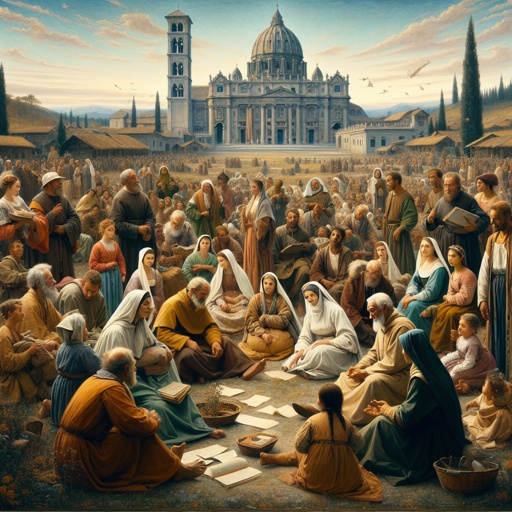
Create an image that depicts what we see In Romans 16:1-16, 21-23, where Paul is writing his letter and concluding it to the church in Rome by greeting a long list of individuals. These greetings reveal the incredible diversity of the early church, including people of different ethnic backgrounds, social standings, and both men and women. Paul mentions several women, including Phoebe, Priscilla, and Mary, who were actively serving and respected within the community, despite the cultural norms that often marginalized women. Paul also describes these individuals with terms of endearment, such as “my beloved” and “my fellow workers,” showing his deep care and genuine relationships with the people, even though he had never visited the church in Rome. Throughout this list, Paul repeatedly emphasizes that these relationships and their service are “in Christ” or “in the Lord,” underscoring the unity they share in Jesus. This passage serves as a beautiful picture of a diverse but unified church, connected by their faith and love for Christ.
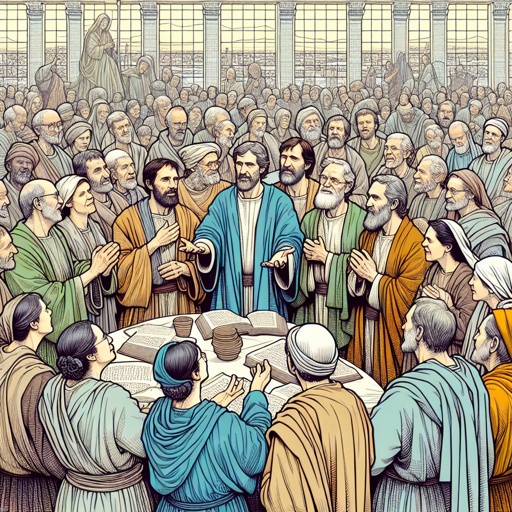
Create an image that depicts what we see In Romans 16:1-16, 21-23, where Paul concludes his letter to the church in Rome by greeting a long list of individuals. These greetings reveal the incredible diversity of the early church, including people of different ethnic backgrounds, social standings, and both men and women. Paul mentions several women, including Phoebe, Priscilla, and Mary, who were actively serving and respected within the community, despite the cultural norms that often marginalized women. Paul also describes these individuals with terms of endearment, such as “my beloved” and “my fellow workers,” showing his deep care and genuine relationships with the people, even though he had never visited the church in Rome. Throughout this list, Paul repeatedly emphasizes that these relationships and their service are “in Christ” or “in the Lord,” underscoring the unity they share in Jesus. This passage serves as a beautiful picture of a diverse but unified church, connected by their faith and love for Christ.
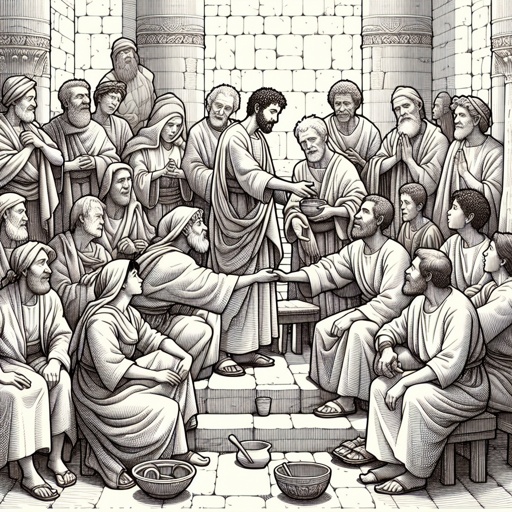
Create an image that depicts what we see In Romans 16:1-16, 21-23, where Paul concludes his letter to the church in Rome by greeting a long list of individuals. These greetings reveal the incredible diversity of the early church, including people of different ethnic backgrounds, social standings, and both men and women. Paul mentions several women, including Phoebe, Priscilla, and Mary, who were actively serving and respected within the community, despite the cultural norms that often marginalized women. Paul also describes these individuals with terms of endearment, such as “my beloved” and “my fellow workers,” showing his deep care and genuine relationships with the people, even though he had never visited the church in Rome. Throughout this list, Paul repeatedly emphasizes that these relationships and their service are “in Christ” or “in the Lord,” underscoring the unity they share in Jesus. This passage serves as a beautiful picture of a diverse but unified church, connected by their faith and love for Christ.
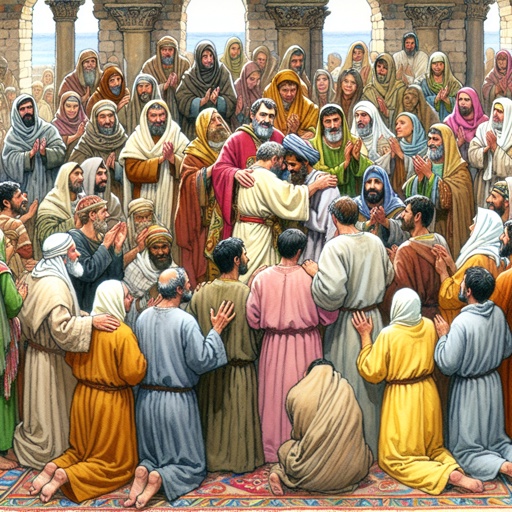
Create an image that depicts what we see In Romans 16:1-16, 21-23, where Paul concludes his letter to the church in Rome by greeting a long list of individuals. These greetings reveal the incredible diversity of the early church, including people of different ethnic backgrounds, social standings, and both men and women. Paul mentions several women, including Phoebe, Priscilla, and Mary, who were actively serving and respected within the community, despite the cultural norms that often marginalized women. Paul also describes these individuals with terms of endearment, such as “my beloved” and “my fellow workers,” showing his deep care and genuine relationships with the people, even though he had never visited the church in Rome. Throughout this list, Paul repeatedly emphasizes that these relationships and their service are “in Christ” or “in the Lord,” underscoring the unity they share in Jesus. This passage serves as a beautiful picture of a diverse but unified church, connected by their faith and love for Christ.
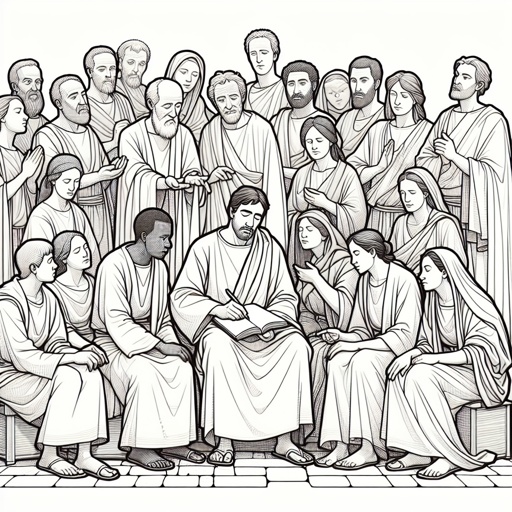
Create an image that depicts what we see In Romans 16:1-16, 21-23, where Paul is writing his letter and concluding it to the church in Rome by greeting a long list of individuals. These greetings reveal the incredible diversity of the early church, including people of different ethnic backgrounds, social standings, and both men and women. Paul mentions several women, including Phoebe, Priscilla, and Mary, who were actively serving and respected within the community, despite the cultural norms that often marginalized women. Paul also describes these individuals with terms of endearment, such as “my beloved” and “my fellow workers,” showing his deep care and genuine relationships with the people, even though he had never visited the church in Rome. Throughout this list, Paul repeatedly emphasizes that these relationships and their service are “in Christ” or “in the Lord,” underscoring the unity they share in Jesus. This passage serves as a beautiful picture of a diverse but unified church, connected by their faith and love for Christ.
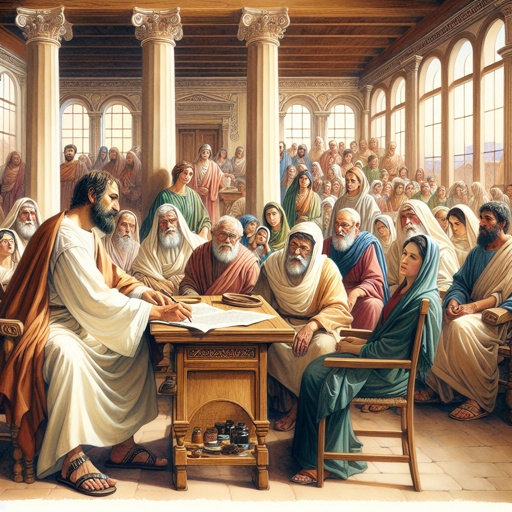
Create an image that depicts what we see In Romans 16:1-16, 21-23, where Paul is writing his letter and concluding it to the church in Rome by greeting a long list of individuals. These greetings reveal the incredible diversity of the early church, including people of different ethnic backgrounds, social standings, and both men and women. Paul mentions several women, including Phoebe, Priscilla, and Mary, who were actively serving and respected within the community, despite the cultural norms that often marginalized women. Paul also describes these individuals with terms of endearment, such as “my beloved” and “my fellow workers,” showing his deep care and genuine relationships with the people, even though he had never visited the church in Rome. Throughout this list, Paul repeatedly emphasizes that these relationships and their service are “in Christ” or “in the Lord,” underscoring the unity they share in Jesus. This passage serves as a beautiful picture of a diverse but unified church, connected by their faith and love for Christ.
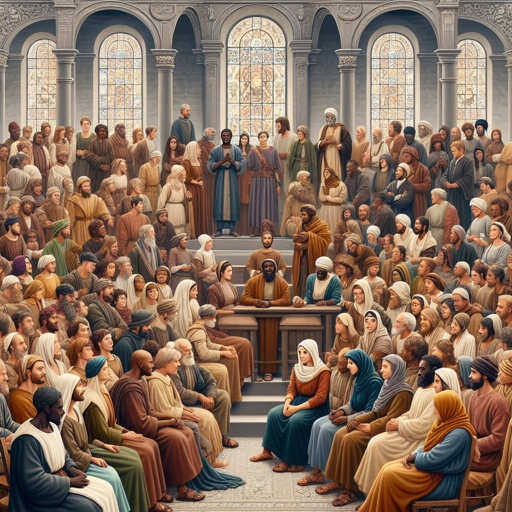
Create an image that depicts what we see In Romans 16:1-16, 21-23, where Paul concludes his letter to the church in Rome by greeting a long list of individuals. These greetings reveal the incredible diversity of the early church, including people of different ethnic backgrounds, social standings, and both men and women. Paul mentions several women, including Phoebe, Priscilla, and Mary, who were actively serving and respected within the community, despite the cultural norms that often marginalized women. Paul also describes these individuals with terms of endearment, such as “my beloved” and “my fellow workers,” showing his deep care and genuine relationships with the people, even though he had never visited the church in Rome. Throughout this list, Paul repeatedly emphasizes that these relationships and their service are “in Christ” or “in the Lord,” underscoring the unity they share in Jesus. This passage serves as a beautiful picture of a diverse but unified church, connected by their faith and love for Christ.
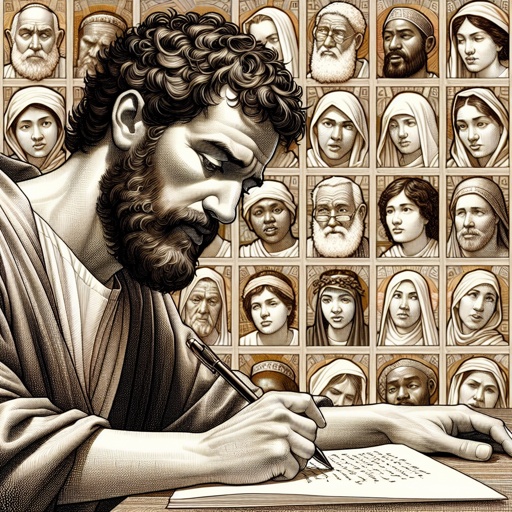
Create an image that depicts what we see In Romans 16:1-16, 21-23, where Paul is writing his letter and concluding it to the church in Rome by greeting a long list of individuals -- thinking of them in his mind. These greetings reveal the incredible diversity of the early church, including people of different ethnic backgrounds, social standings, and both men and women. Paul mentions several women, including Phoebe, Priscilla, and Mary, who were actively serving and respected within the community, despite the cultural norms that often marginalized women. Paul also describes these individuals with terms of endearment, such as “my beloved” and “my fellow workers,” showing his deep care and genuine relationships with the people, even though he had never visited the church in Rome. Throughout this list, Paul repeatedly emphasizes that these relationships and their service are “in Christ” or “in the Lord,” underscoring the unity they share in Jesus. This passage serves as a beautiful picture of a diverse but unified church, connected by their faith and love for Christ.

Romans 1:16 to the Jew first

Romans 1:16 - "For I am not ashamed of the gospel of Christ: for it is the power of God unto salvation to every one that believeth; to the Jew first, and also to the Greek."

Romans 8:16

Romans 16:17

Romans 16:17

Romans 16:17

Romans 16:16 - "Salute one another with an holy kiss. The churches of Christ salute you."

Romans 8:15-16

Romans 3:16 - "Destruction and misery are in their ways:"

Romans 16:8 - "Greet Amplias my beloved in the Lord."

Romans 14:16 - "Let not then your good be evil spoken of:"

Romans 16:6 - "Greet Mary, who bestowed much labour on us."

Romans 16:3 - "Greet Priscilla and Aquila my helpers in Christ Jesus:"

Romans 16:13 - "Salute Rufus chosen in the Lord, and his mother and mine."

"Destruction and misery are in their ways:" - Romans 3:16