What does Zechariah 11:5 mean?
"Whose possessors slay them, and hold themselves not guilty: and they that sell them say, Blessed be the LORD; for I am rich: and their own shepherds pity them not." - Zechariah 11:5
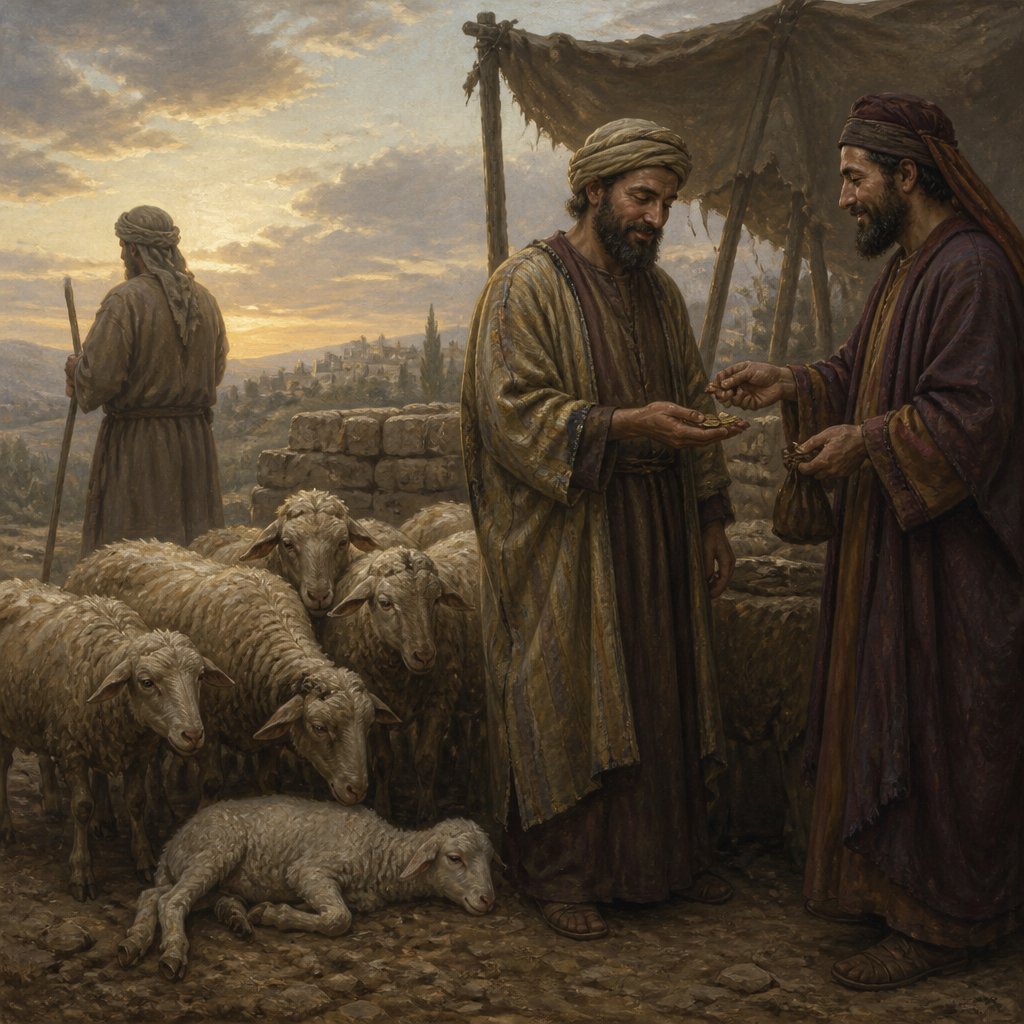
Zechariah 11:5 (KJV): "Whose possessors slay them, and hold themselves not guilty: and they that sell them say, Blessed be the Lord; for I am rich: and their own shepherds pity them not."
The book of Zechariah, in the Old Testament, is a prophetic text that addresses the restoration of Israel after the Babylonian exile and predicts the coming of a Messiah. Zechariah 11:5 is a verse that paints a vivid picture of the mistreatment and oppression of the people of Israel by their leaders and those in power at the time.
The verse begins with the image of "possessors" who slay their own people and feel no guilt about it. This is a reference to the rulers and authorities who were supposed to protect and care for the Israelites, but instead, they exploit and mistreat them. The word "slay" implies not only physical violence but also the idea of oppression and stripping the people of their rights and dignity. The fact that these possessors hold themselves not guilty suggests a lack of accountability and a disregard for the welfare of their own people.
The next part of the verse addresses those who sell the Israelites, indicating the practice of selling people into slavery or subjugation. The sellers declare, "Blessed be the Lord; for I am rich," which reveals the hypocrisy and moral depravity of those who profit from the suffering and exploitation of others. They use religious language to justify their actions, all the while enriching themselves at the expense of their fellow human beings. This reflects the broader theme of moral decay and the perversion of religious principles for personal gain.
The verse concludes by pointing out the lack of compassion and care from the shepherds of Israel. In the biblical context, shepherds are often symbolic of leaders or those in positions of authority. Instead of tending to and protecting their flock, these shepherds show no pity or concern for the well-being of the people under their care. This highlights the failure of leadership and the betrayal of trust by those who are meant to guide and safeguard the community.
One of the key themes in this verse is the abuse of power and authority. The text portrays a society in which the ruling class exploits and oppresses the vulnerable with impunity, while using religious language to justify their actions. This situation reflects a broader pattern of social injustice and moral decay, which is a recurring theme throughout the Bible. The verse also underscores the importance of ethical leadership and the responsibility of those in power to govern with justice and compassion.
Furthermore, the verse serves as a poignant critique of hypocrisy and spiritual bankruptcy. The use of religious language to mask greed and exploitation is a form of moral corruption that the text condemns. It challenges the reader to examine their own actions and motivations, reminding them that true faith is reflected in how one treats others, especially the marginalized and oppressed.
In terms of historical and cultural context, Zechariah 11:5 can be seen as a reflection of the social and political turmoil that Israel faced during the prophet's time. The Babylonian exile had left the nation in a state of disarray, and the return from exile brought with it its own set of challenges. The verse captures the hardships and injustices that the people experienced under the rule of corrupt and indifferent leaders.
Symbolically, the verse can be interpreted as a warning against the dangers of unchecked power and the perversion of religious principles. The possessors and shepherds represent those in authority, while those who are slain and sold represent the oppressed and marginalized. The verse serves as a reminder of the timeless struggle for justice and the call to uphold the values of compassion, integrity, and righteousness in the face of oppression and moral decay.
In conclusion, Zechariah 11:5 is a powerful and evocative verse that speaks to the enduring themes of social justice, ethical leadership, and spiritual integrity. Its vivid imagery and moral urgency continue to resonate across time and cultures, challenging readers to confront the issues of power, oppression, and moral responsibility in their own lives and communities. It serves as a reminder of the enduring relevance of prophetic voices in speaking truth to power and advocating for justice and compassion.
Have questions about Zechariah 11:5?
Dive deeper into this scripture with Bible Chat — an AI-powered tool for exploring God's Word through conversation. Ask questions, get context, and grow in your understanding of the Bible.
Get Our Apps


Zechariah 11:5 Artwork

Zechariah 11:5 - "Whose possessors slay them, and hold themselves not guilty: and they that sell them say, Blessed be the LORD; for I am rich: and their own shepherds pity them not."
"Whose possessors slay them, and hold themselves not guilty: and they that sell them say, Blessed be the LORD; for I am rich: and their own shepherds pity them not." - Zechariah 11:5

Zechariah 5:11 - "And he said unto me, To build it an house in the land of Shinar: and it shall be established, and set there upon her own base."

Nehemiah 11:5 - "And Maaseiah the son of Baruch, the son of Col-hozeh, the son of Hazaiah, the son of Adaiah, the son of Joiarib, the son of Zechariah, the son of Shiloni."

Zechariah 11:11 - "And it was broken in that day: and so the poor of the flock that waited upon me knew that it was the word of the LORD."
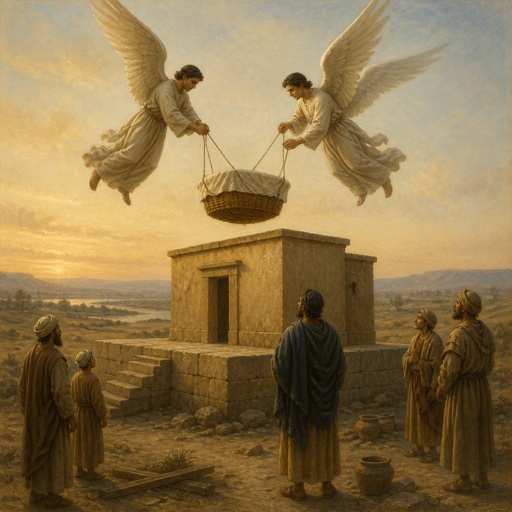
"And he said unto me, To build it an house in the land of Shinar: and it shall be established, and set there upon her own base." - Zechariah 5:11

Zechariah 1:5 - "Your fathers, where are they? and the prophets, do they live for ever?"

Zechariah 11:4 - "Thus saith the LORD my God; Feed the flock of the slaughter;"

Ezra 8:11 - "And of the sons of Bebai; Zechariah the son of Bebai, and with him twenty and eight males."

Zechariah 12:11 - "In that day shall there be a great mourning in Jerusalem, as the mourning of Hadadrimmon in the valley of Megiddon."
"And Maaseiah the son of Baruch, the son of Col-hozeh, the son of Hazaiah, the son of Adaiah, the son of Joiarib, the son of Zechariah, the son of Shiloni." - Nehemiah 11:5

Zechariah 7:11 - "But they refused to hearken, and pulled away the shoulder, and stopped their ears, that they should not hear."

Zechariah 11:1 - "Open thy doors, O Lebanon, that the fire may devour thy cedars."

Zechariah 8:5 - "And the streets of the city shall be full of boys and girls playing in the streets thereof."

Zechariah 5:7 - "And, behold, there was lifted up a talent of lead: and this is a woman that sitteth in the midst of the ephah."

Zechariah 5:10 - "Then said I to the angel that talked with me, Whither do these bear the ephah?"

Zechariah 5:5 - "¶ Then the angel that talked with me went forth, and said unto me, Lift up now thine eyes, and see what is this that goeth forth."

Zechariah 8:11 - "But now I will not be unto the residue of this people as in the former days, saith the LORD of hosts."

Zechariah 11:15 - "¶ And the LORD said unto me, Take unto thee yet the instruments of a foolish shepherd."

Zechariah 5:1 - "Then I turned, and lifted up mine eyes, and looked, and behold a flying roll."

Zechariah 14:11 - "And men shall dwell in it, and there shall be no more utter destruction; but Jerusalem shall be safely inhabited."

Zechariah 11:3 - "¶ There is a voice of the howling of the shepherds; for their glory is spoiled: a voice of the roaring of young lions; for the pride of Jordan is spoiled."

1 Chronicles 26:11 - "Hilkiah the second, Tebaliah the third, Zechariah the fourth: all the sons and brethren of Hosah were thirteen."

1 Chronicles 5:7 - "And his brethren by their families, when the genealogy of their generations was reckoned, were the chief, Jeiel, and Zechariah,"

Zechariah 2:5 - "For I, saith the LORD, will be unto her a wall of fire round about, and will be the glory in the midst of her."

Zechariah 6:11 - "Then take silver and gold, and make crowns, and set them upon the head of Joshua the son of Josedech, the high priest;"

Luke 1:11-12

Zechariah 12:5 - "And the governors of Judah shall say in their heart, The inhabitants of Jerusalem shall be my strength in the LORD of hosts their God."

"And it was broken in that day: and so the poor of the flock that waited upon me knew that it was the word of the LORD." - Zechariah 11:11

Zechariah 5:8 - "And he said, This is wickedness. And he cast it into the midst of the ephah; and he cast the weight of lead upon the mouth thereof."