What does Song of Solomon 7:4 mean?
"Thy neck is as a tower of ivory; thine eyes like the fishpools in Heshbon, by the gate of Bath-rabbim: thy nose is as the tower of Lebanon which looketh toward Damascus." - Song of Solomon 7:4
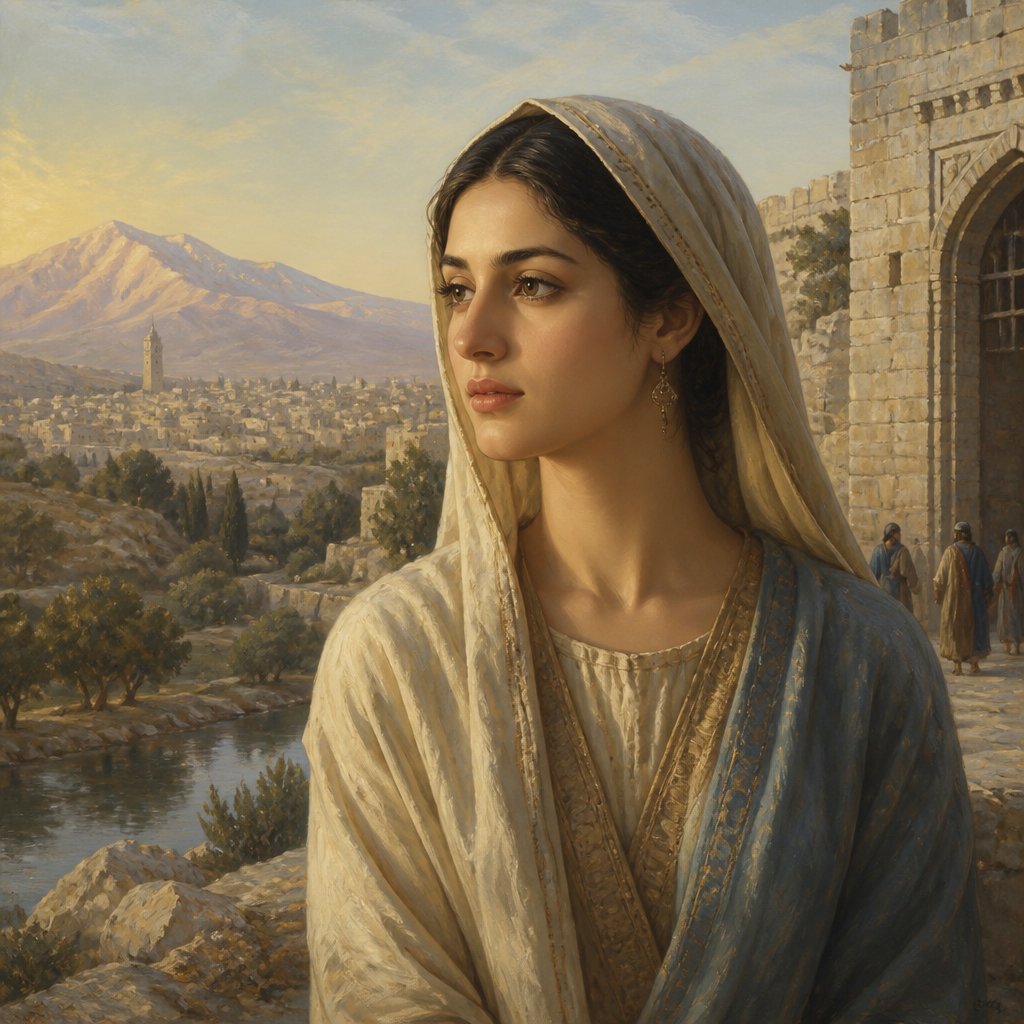
Song of Solomon 7:4 (KJV) - "Thy neck is as a tower of ivory; thine eyes like the fishpools in Heshbon, by the gate of Bathrabbim: thy nose is as the tower of Lebanon which looketh toward Damascus."
The Song of Solomon, also known as the Song of Songs, is a beautiful and lyrical book found in the Old Testament of the Bible. It is a love poem that celebrates the love between a man and a woman and has been interpreted in various ways throughout history. This particular verse, Song of Solomon 7:4, is part of a section where the lover is praising the beauty of his beloved.
The verse is rich in imagery and metaphor, and it paints a vivid picture of the woman's physical beauty. Let's delve deeper into the meaning and commentary on this verse.
First, let's look at the imagery used in the verse. The woman's neck is likened to a tower of ivory, which immediately conveys the image of something tall, smooth, and pristine. The comparison to ivory suggests the woman's purity and elegance. Her eyes are described as being like the fishpools in Heshbon, by the gate of Bathrabbim. This imagery conjures up the image of deep, tranquil pools of water, reflecting the beauty of the surroundings. It suggests that the woman's eyes are deep and mysterious, drawing the attention of the beholder. Her nose is likened to the tower of Lebanon, which looks toward Damascus. This comparison speaks to the woman's regal and commanding presence, as well as her strength and nobility.
It's important to note that the descriptions in the Song of Solomon are not meant to be taken literally. Rather, they are symbolic of the intense love and desire that the man feels for his beloved. The use of such extravagant and poetic imagery serves to heighten the emotional impact of the text.
In looking at the broader context of the Song of Solomon, this verse is part of a larger passage in which the lover praises the physical beauty of his beloved. Throughout the book, there is a strong emphasis on the physical attraction between the lovers, as well as their emotional and spiritual connection. The Song of Solomon celebrates love and desire as natural and good, and it portrays the physical expression of love as a beautiful and sacred thing.
The book also addresses broader themes of love, passion, and the longing for intimacy. The deep admiration and reverence that the lover expresses for his beloved in this verse reflects the profound connection that exists between the two. While the physical beauty of the woman is being highlighted, it is ultimately her inner beauty - her character, her spirit, and her soul - that captivates the lover.
Symbolism plays a significant role in the Song of Solomon, and this verse is no exception. The tower of ivory, fishpools, and tower of Lebanon are all rich in symbolic meaning. Ivory, for example, has historically been associated with purity, rarity, and luxury. The fishpools symbolize depth, mystery, and reflection. The tower of Lebanon represents strength, stability, and nobility. Each of these symbols adds layers of meaning to the verse, elevating the woman's beauty to a higher, more transcendent level.
In conclusion, Song of Solomon 7:4 is a powerful and evocative verse that celebrates the physical beauty of the beloved. Through its rich imagery, it conveys the depth of the lover's admiration and desire for the woman. The verse is a testament to the enduring power of love and the deep connection that exists between two people. It also serves as a reminder of the beauty and sacredness of love in all its forms.
Have questions about Song of Solomon 7:4?
Dive deeper into this scripture with Bible Chat — an AI-powered tool for exploring God's Word through conversation. Ask questions, get context, and grow in your understanding of the Bible.
Get Our Apps


Song of Solomon 7:4 Artwork

Song of Solomon 7:4 - "Thy neck is as a tower of ivory; thine eyes like the fishpools in Heshbon, by the gate of Bath-rabbim: thy nose is as the tower of Lebanon which looketh toward Damascus."
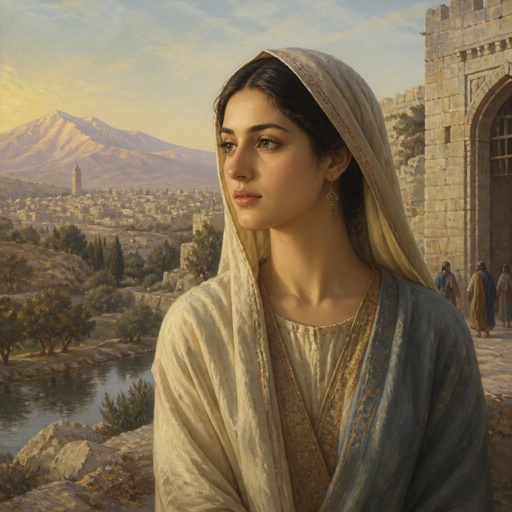
"Thy neck is as a tower of ivory; thine eyes like the fishpools in Heshbon, by the gate of Bath-rabbim: thy nose is as the tower of Lebanon which looketh toward Damascus." - Song of Solomon 7:4
Song of Solomon 4:7 - "Thou art all fair, my love; there is no spot in thee."

Song of Solomon 7:6 - "How fair and how pleasant art thou, O love, for delights!"

Song of Solomon 7:10 - "¶ I am my beloved's, and his desire is toward me."

Song of Solomon 1:4

Song of Solomon 1:4

Song of Solomon 3:4

Song of Solomon 7:3 - "Thy two breasts are like two young roes that are twins."
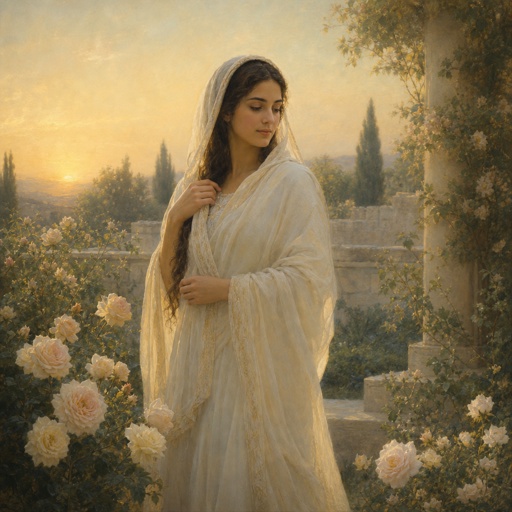
"Thou art all fair, my love; there is no spot in thee." - Song of Solomon 4:7

Song of Solomon 7:11 - "Come, my beloved, let us go forth into the field; let us lodge in the villages."
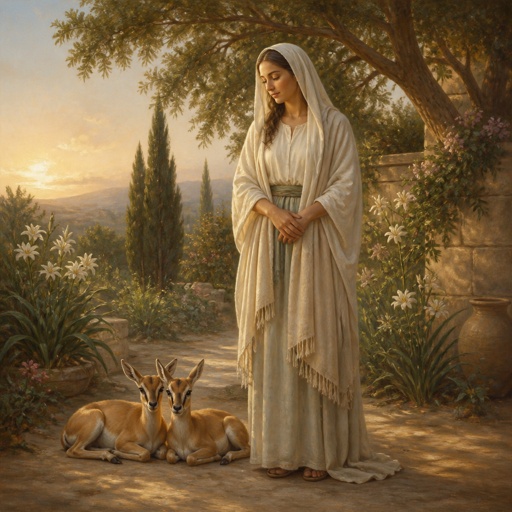
"Thy two breasts are like two young roes that are twins." - Song of Solomon 7:3

Song of Solomon 7:7 - "This thy stature is like to a palm tree, and thy breasts to clusters of grapes."
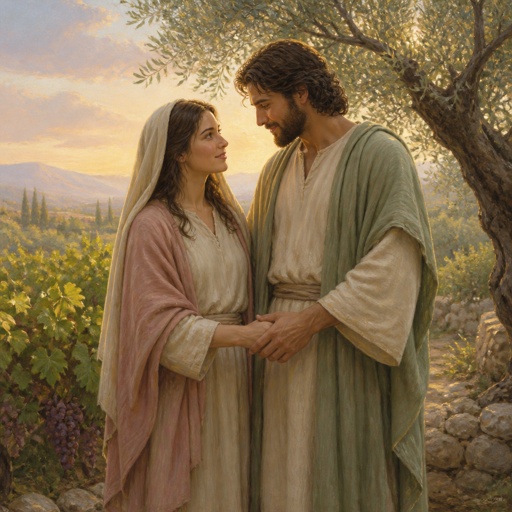
"¶ I am my beloved's, and his desire is toward me." - Song of Solomon 7:10

Song of Solomon 6:7 - "As a piece of a pomegranate are thy temples within thy locks."
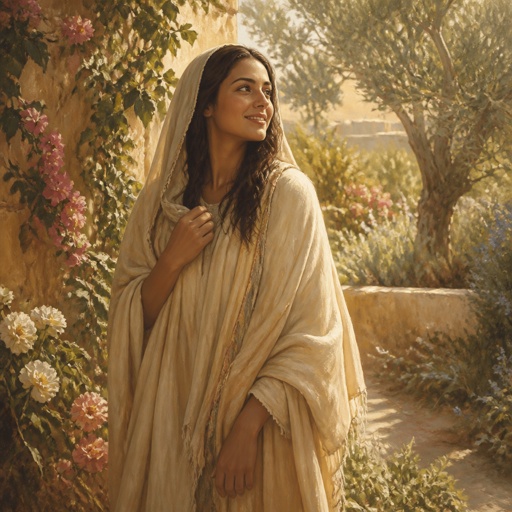
"How fair and how pleasant art thou, O love, for delights!" - Song of Solomon 7:6

Song of Solomon 4:13 - "Thy plants are an orchard of pomegranates, with pleasant fruits; camphire, with spikenard,"

Song of Solomon 4:15 - "A fountain of gardens, a well of living waters, and streams from Lebanon."

Song of Solomon 3:7 - "Behold his bed, which is Solomon's; threescore valiant men are about it, of the valiant of Israel."

Song of Solomon 7:5 - "Thine head upon thee is like Carmel, and the hair of thine head like purple; the king is held in the galleries."
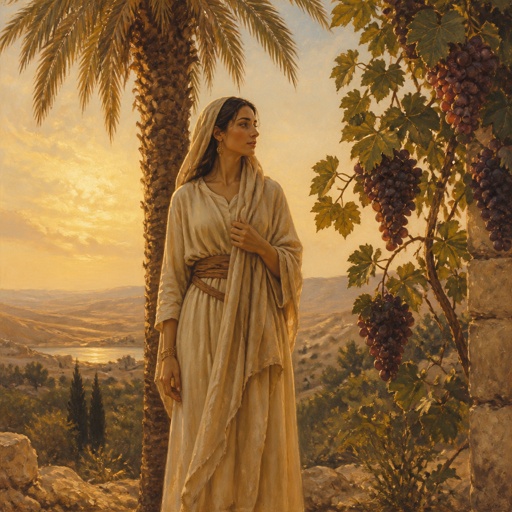
"This thy stature is like to a palm tree, and thy breasts to clusters of grapes." - Song of Solomon 7:7

Song of Solomon 7:2 - "Thy navel is like a round goblet, which wanteth not liquor: thy belly is like an heap of wheat set about with lilies."

Song of Solomon 2:4 - "He brought me to the banqueting house, and his banner over me was love."
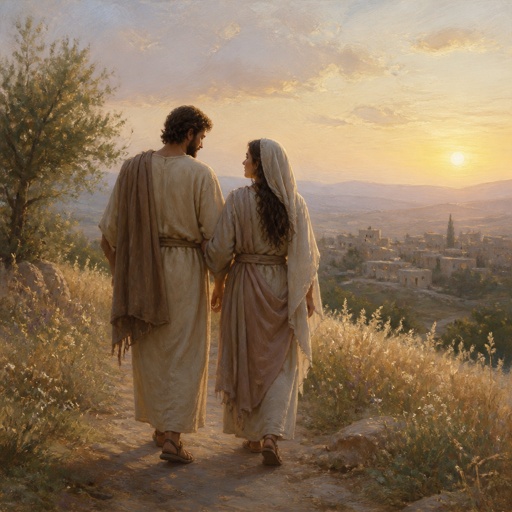
"Come, my beloved, let us go forth into the field; let us lodge in the villages." - Song of Solomon 7:11

Song of Solomon 4:4 - "Thy neck is like the tower of David builded for an armoury, whereon there hang a thousand bucklers, all shields of mighty men."

Song of Solomon 1:1 - "The song of songs, which is Solomon's."

Song of Solomon 4:12 - "A garden inclosed is my sister, my spouse; a spring shut up, a fountain sealed."

Song of Solomon 5:4 - "My beloved put in his hand by the hole of the door, and my bowels were moved for him."

Song of Solomon 4:14 - "Spikenard and saffron; calamus and cinnamon, with all trees of frankincense; myrrh and aloes, with all the chief spices:"

Song of Solomon 4:5 - "Thy two breasts are like two young roes that are twins, which feed among the lilies."