What does Song of Solomon 7:3 mean?
"Thy two breasts are like two young roes that are twins." - Song of Solomon 7:3
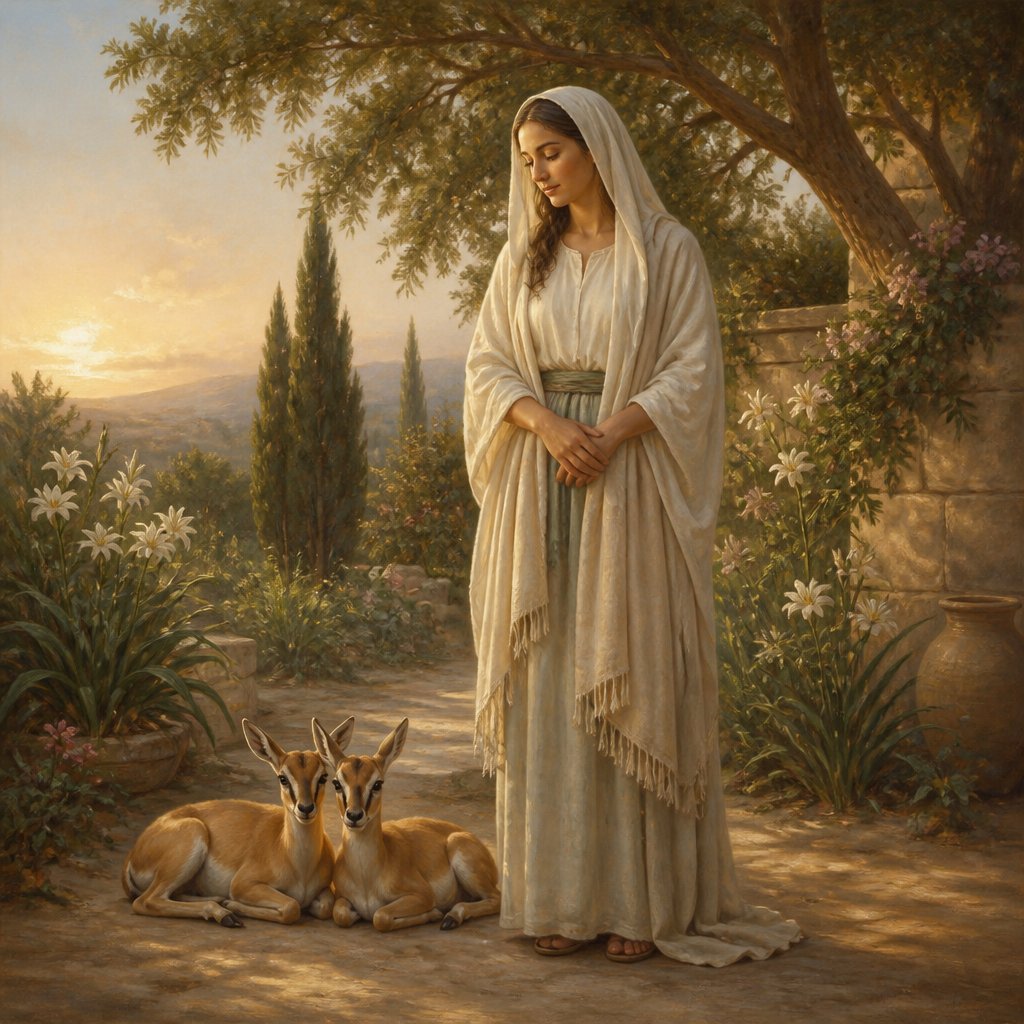
Song of Solomon 7:3 (KJV): "Thy two breasts are like two young roes that are twins."
The Song of Solomon, also known as the Song of Songs, is a beautiful and poetic book found in the Old Testament of the Bible. It is a love song that celebrates the beauty and purity of love between a man and a woman. It has been interpreted in various ways throughout history, from a literal celebration of human love to an allegorical representation of the love between God and his people.
In Song of Solomon 7:3, the imagery of "thy two breasts are like two young roes that are twins" is a metaphor that celebrates the beauty and perfection of the female form. The use of natural imagery, such as the comparison to young roes, adds depth and richness to the description. The emphasis on the symmetry of the two breasts being like twins adds to the sense of awe and admiration.
This verse has often been interpreted as a celebration of the physical beauty of the female form, reflecting the deep and abiding love that the speaker feels for his beloved. The use of natural imagery to describe the beloved's beauty also reflects the timeless and universal nature of human love and desire. The comparison to young roes suggests youthfulness and vitality, adding a sense of freshness and innocence to the imagery.
In a broader context, this verse can be seen as part of a larger celebration of human love and the physical and emotional intimacy shared between a man and a woman. It reflects the deep connection and mutual admiration that is a central part of a loving relationship. The Song of Solomon as a whole can be understood as a celebration of the beauty and sanctity of human love, and this verse is a perfect example of that celebration.
The use of natural imagery and metaphor in this verse adds layers of meaning and symbolism. The comparison to young roes suggests a sense of grace, agility, and natural beauty. The emphasis on the symmetry and twinning of the breasts adds a sense of harmony and balance to the description. The breasts themselves have long been a symbol of fertility and nourishment, and in this verse, they symbolize the completeness and abundance of love shared between the speaker and his beloved.
The deeper symbolism of this verse can also be understood as a metaphor for the divine love and connection between God and his people. Throughout the Bible, the imagery of a loving and nurturing God is often depicted using natural symbols and metaphors, and this verse is no exception. The use of natural imagery to describe the beauty and love shared between a man and a woman can also be seen as a reflection of the divine love that encompasses and sustains all of creation.
In conclusion, Song of Solomon 7:3 is a beautiful and evocative verse that celebrates the physical beauty and emotional intimacy shared between a man and a woman. Its use of natural imagery and metaphor adds depth and richness to the description, and it can be seen as a celebration of the timeless and universal nature of human love and desire. It also carries deeper symbolism as a reflection of the divine love that sustains and nurtures all of creation. This verse is a powerful and enduring testament to the beauty and sanctity of love in all its forms.
Have questions about Song of Solomon 7:3?
Dive deeper into this scripture with Bible Chat — an AI-powered tool for exploring God's Word through conversation. Ask questions, get context, and grow in your understanding of the Bible.
Get Our Apps


Song of Solomon 7:3 Artwork

Song of Solomon 7:3 - "Thy two breasts are like two young roes that are twins."
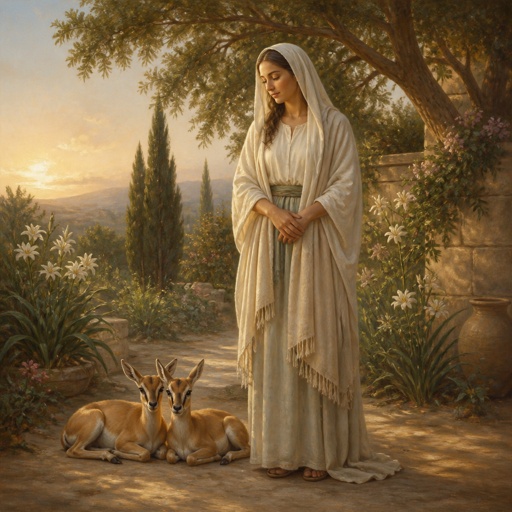
"Thy two breasts are like two young roes that are twins." - Song of Solomon 7:3

Song of Solomon 3:7 - "Behold his bed, which is Solomon's; threescore valiant men are about it, of the valiant of Israel."

Song of Solomon 7:6 - "How fair and how pleasant art thou, O love, for delights!"

Song of Solomon 7:10 - "¶ I am my beloved's, and his desire is toward me."

Song of Solomon 3:9 - "King Solomon made himself a chariot of the wood of Lebanon."

Song of Solomon 2:3

Song of Solomon 3:4

Song of Solomon 7:11 - "Come, my beloved, let us go forth into the field; let us lodge in the villages."

Song of Solomon 7:7 - "This thy stature is like to a palm tree, and thy breasts to clusters of grapes."
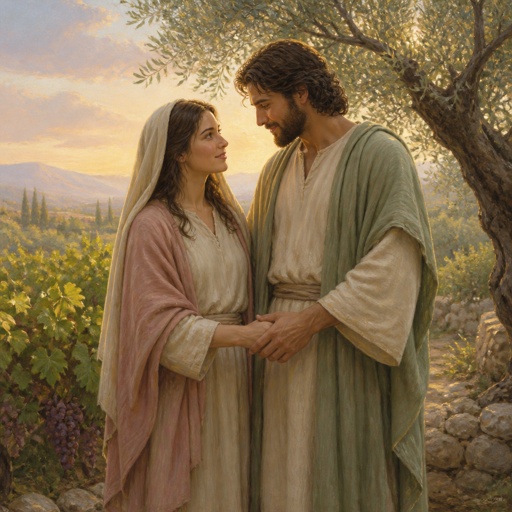
"¶ I am my beloved's, and his desire is toward me." - Song of Solomon 7:10

Song of Solomon 6:7 - "As a piece of a pomegranate are thy temples within thy locks."
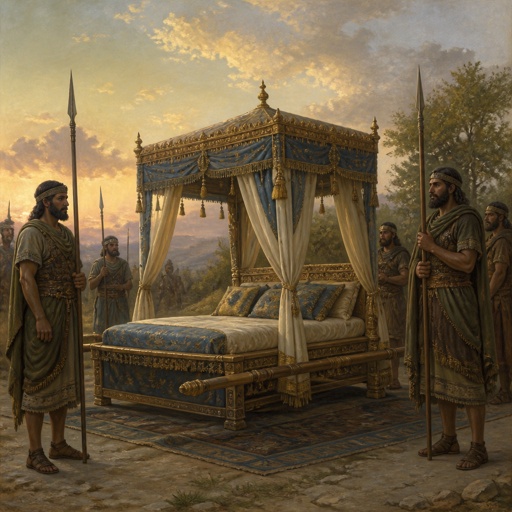
"Behold his bed, which is Solomon's; threescore valiant men are about it, of the valiant of Israel." - Song of Solomon 3:7
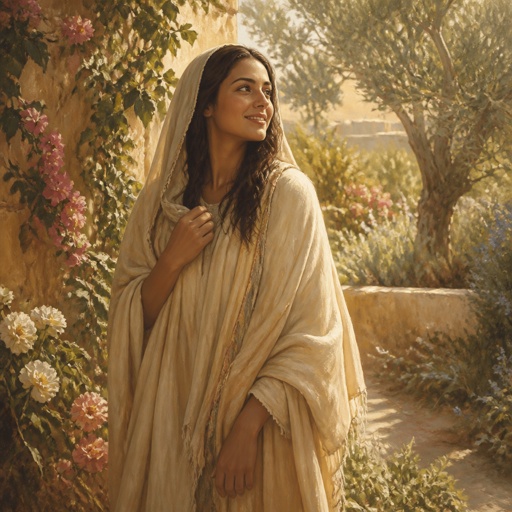
"How fair and how pleasant art thou, O love, for delights!" - Song of Solomon 7:6
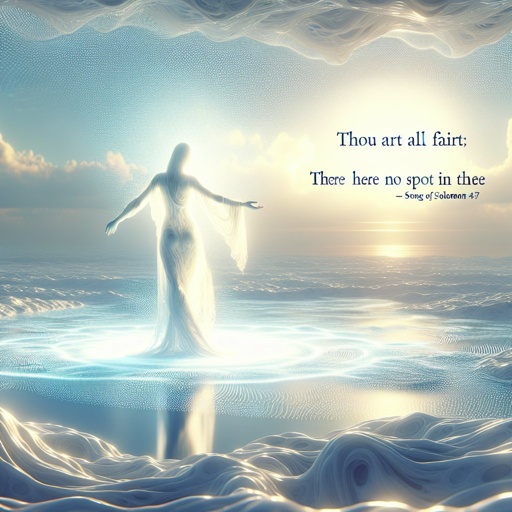
Song of Solomon 4:7 - "Thou art all fair, my love; there is no spot in thee."
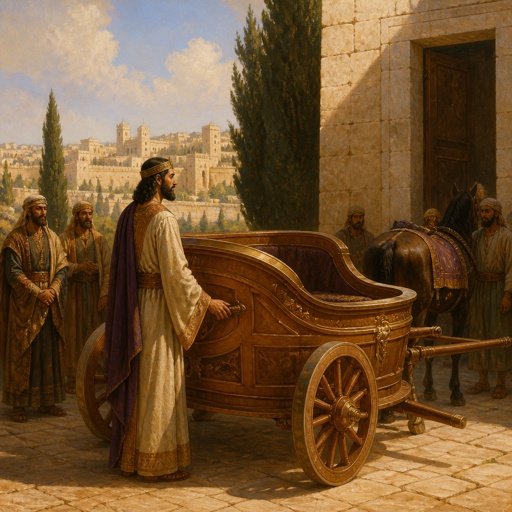
"King Solomon made himself a chariot of the wood of Lebanon." - Song of Solomon 3:9

Song of Solomon 7:5 - "Thine head upon thee is like Carmel, and the hair of thine head like purple; the king is held in the galleries."
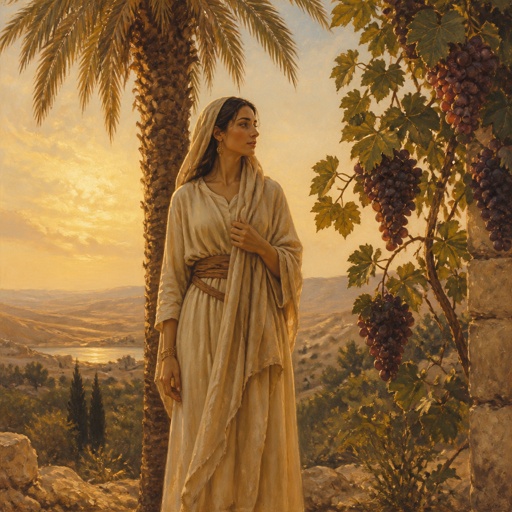
"This thy stature is like to a palm tree, and thy breasts to clusters of grapes." - Song of Solomon 7:7

Song of Solomon 7:2 - "Thy navel is like a round goblet, which wanteth not liquor: thy belly is like an heap of wheat set about with lilies."
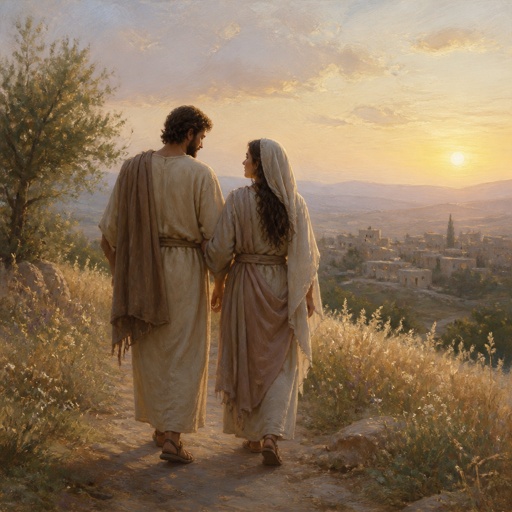
"Come, my beloved, let us go forth into the field; let us lodge in the villages." - Song of Solomon 7:11

Song of Solomon 1:1 - "The song of songs, which is Solomon's."

Song of Solomon 6:3 - "I am my beloved's, and my beloved is mine: he feedeth among the lilies."

Song of Solomon 3:3 - "The watchmen that go about the city found me: to whom I said, Saw ye him whom my soul loveth?"

Song of Solomon 7:1 - "How beautiful are thy feet with shoes, O prince's daughter! the joints of thy thighs are like jewels, the work of the hands of a cunning workman."

Song of Solomon 8:3 - "His left hand should be under my head, and his right hand should embrace me."

Song of Solomon 3:11 - "Go forth, O ye daughters of Zion, and behold king Solomon with the crown wherewith his mother crowned him in the day of his espousals, and in the day of the gladness of his heart."

Song of Solomon 7:12 - "Let us get up early to the vineyards; let us see if the vine flourish, whether the tender grape appear, and the pomegranates bud forth: there will I give thee my loves."
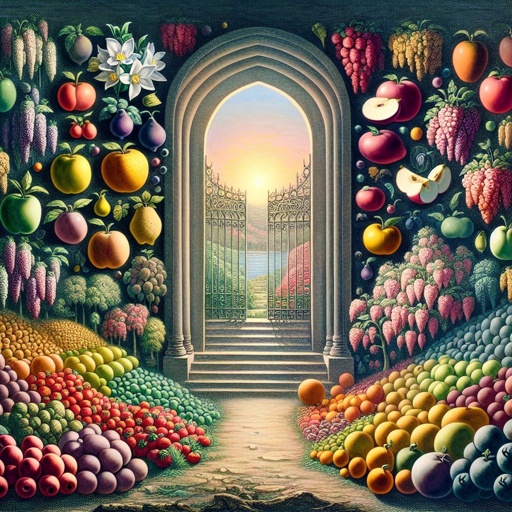
Song of Solomon 7:13 - "The mandrakes give a smell, and at our gates are all manner of pleasant fruits, new and old, which I have laid up for thee, O my beloved."

Song of Solomon 3:6 - "¶ Who is this that cometh out of the wilderness like pillars of smoke, perfumed with myrrh and frankincense, with all powders of the merchant?"
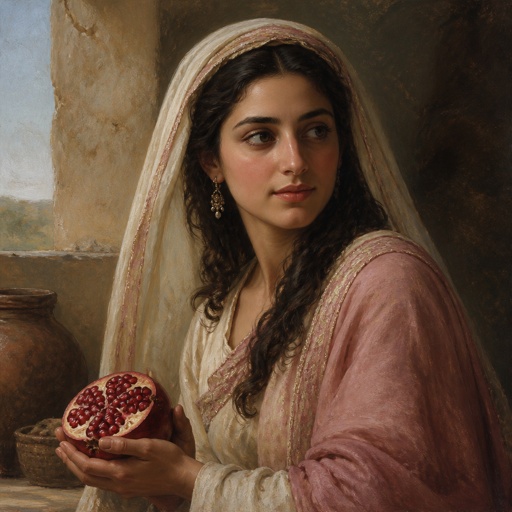
"As a piece of a pomegranate are thy temples within thy locks." - Song of Solomon 6:7