What does Song of Solomon 7:12 mean?
"Let us get up early to the vineyards; let us see if the vine flourish, whether the tender grape appear, and the pomegranates bud forth: there will I give thee my loves." - Song of Solomon 7:12
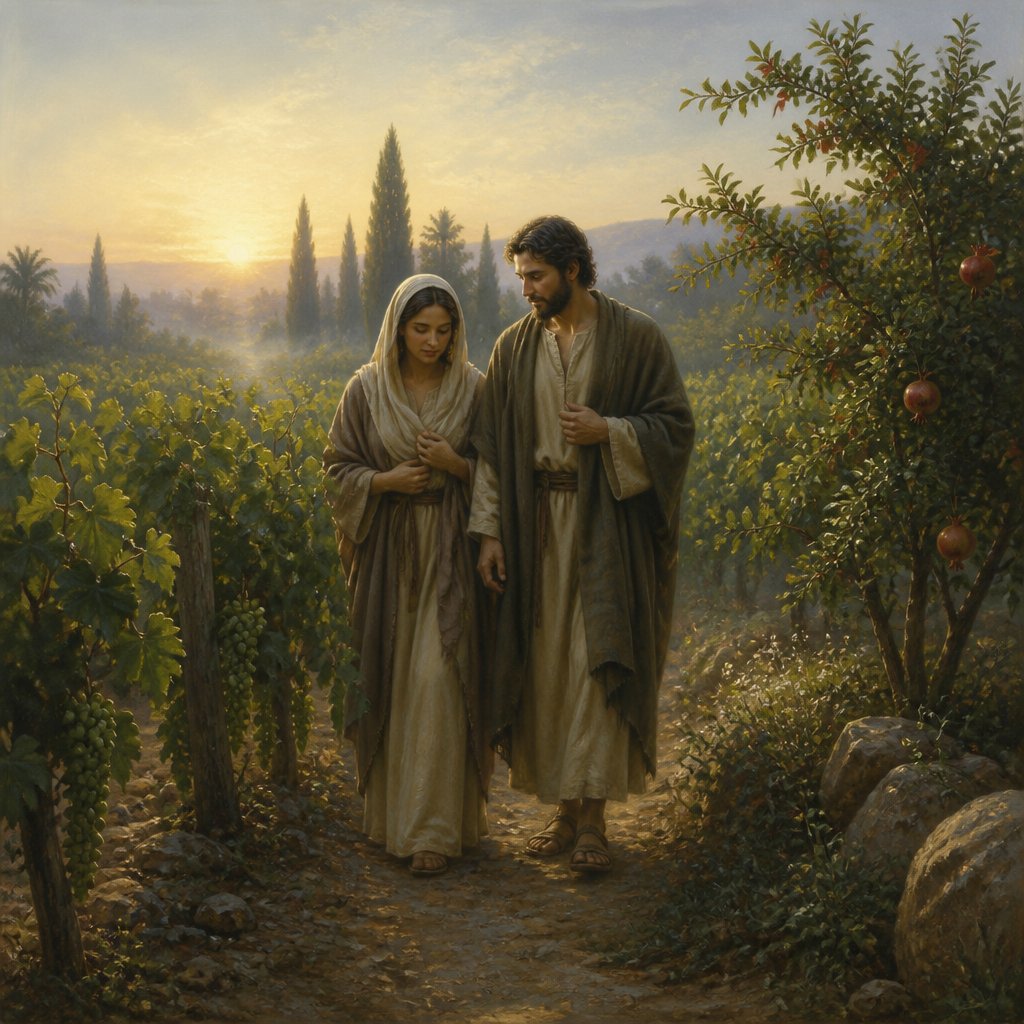
The verse Song of Solomon 7:12 from the King James Version of the Bible reads:
"Let us get up early to the vineyards; let us see if the vine flourish, whether the tender grape appear, and the pomegranates bud forth: there will I give thee my loves."
The Song of Solomon, also known as the Song of Songs, is a book in the Old Testament that is attributed to King Solomon. This book is unique in the Bible as it is a collection of love poems, celebrating the beauty and joy of physical love within the context of a committed relationship. It has been interpreted in different ways throughout history, with some seeing it as an allegory of the love between God and His people, and others interpreting it as a celebration of human love and sexuality.
In Song of Solomon 7:12, the lovers express a desire to spend time together in nature, specifically in the vineyards. This verse captures a sense of intimacy and delight in the natural world, as well as an appreciation for the fertility and beauty of the vineyard.
The verse begins with the lovers expressing a desire to "get up early to the vineyards." This suggests a sense of urgency and excitement, as they eagerly anticipate the flourishing of the vines. The act of getting up early also conveys a sense of dedication and commitment to each other and to the natural world around them. It shows a willingness to invest time and effort into their relationship and to appreciate the beauty of creation.
The verse then mentions the specific things that the lovers are eager to see in the vineyard: the flourishing of the vine, the appearance of tender grapes, and the budding forth of pomegranates. These images are rich with symbolism and meaning. The flourishing vine represents growth, abundance, and fertility. The tender grapes symbolize the early stages of fruitful development, while the budding pomegranates suggest the promise of a bountiful harvest. Together, these images evoke a sense of vitality, potential, and abundance, both in the natural world and in the relationship between the lovers.
The verse concludes with a declaration of love: "there will I give thee my loves." This statement affirms the connection between the natural world and the love shared by the couple. The vineyard serves as a backdrop for the expression of love, and the abundance and beauty of the vineyard are reflective of the overflowing love that the lovers have for each other. The verse captures a sense of joy, celebration, and gratitude for the wonder of love and the natural world.
In a broader context, Song of Solomon 7:12 can be seen as a celebration of the interconnectedness of love, nature, and spirituality. It underscores the idea that love is a natural and beautiful part of the human experience, and that it is intricately woven into the fabric of creation. The verse portrays the vineyard as a place of beauty, productivity, and abundance, mirroring the love and intimacy shared by the couple. It also reflects a deep appreciation for the natural world and a recognition of the divine presence within it.
Overall, Song of Solomon 7:12 is a rich and evocative verse that captures the beauty of love, nature, and the interconnectedness of the two. It is a timeless expression of the joy and wonder that can be found in the celebration of love and the natural world. Whether interpreted as a literal celebration of human love and nature or as an allegorical representation of the divine love between God and His people, this verse continues to inspire and resonate with readers across cultures and generations.
Have questions about Song of Solomon 7:12?
Dive deeper into this scripture with Bible Chat — an AI-powered tool for exploring God's Word through conversation. Ask questions, get context, and grow in your understanding of the Bible.
Get Our Apps


Song of Solomon 7:12 Artwork

Song of Solomon 7:12 - "Let us get up early to the vineyards; let us see if the vine flourish, whether the tender grape appear, and the pomegranates bud forth: there will I give thee my loves."
"Let us get up early to the vineyards; let us see if the vine flourish, whether the tender grape appear, and the pomegranates bud forth: there will I give thee my loves." - Song of Solomon 7:12

Song of Solomon 7:6 - "How fair and how pleasant art thou, O love, for delights!"

Song of Solomon 7:10 - "¶ I am my beloved's, and his desire is toward me."

Songs of Solomon 1:2

Song of Solomon 7:3 - "Thy two breasts are like two young roes that are twins."

Song of Solomon 7:11 - "Come, my beloved, let us go forth into the field; let us lodge in the villages."
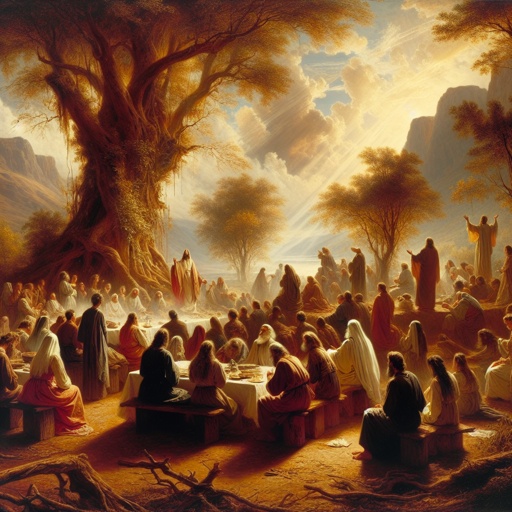
1 songs of Solomon 1:2
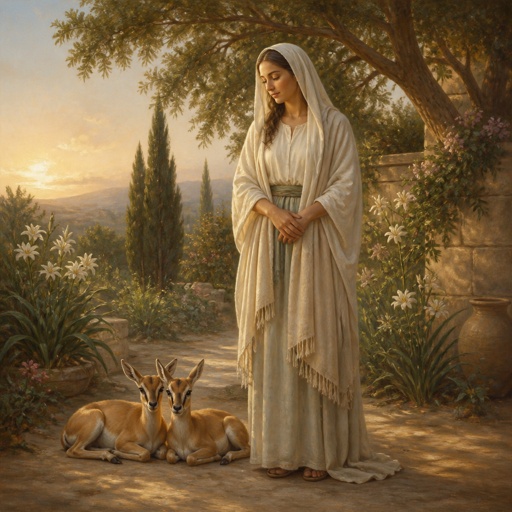
"Thy two breasts are like two young roes that are twins." - Song of Solomon 7:3

Song of Solomon 7:7 - "This thy stature is like to a palm tree, and thy breasts to clusters of grapes."
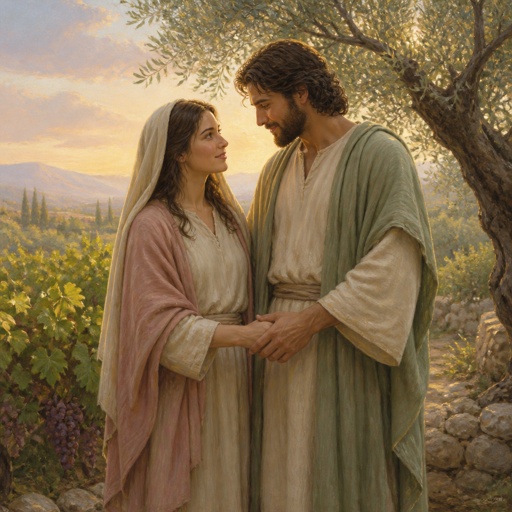
"¶ I am my beloved's, and his desire is toward me." - Song of Solomon 7:10

Song of Solomon 6:7 - "As a piece of a pomegranate are thy temples within thy locks."
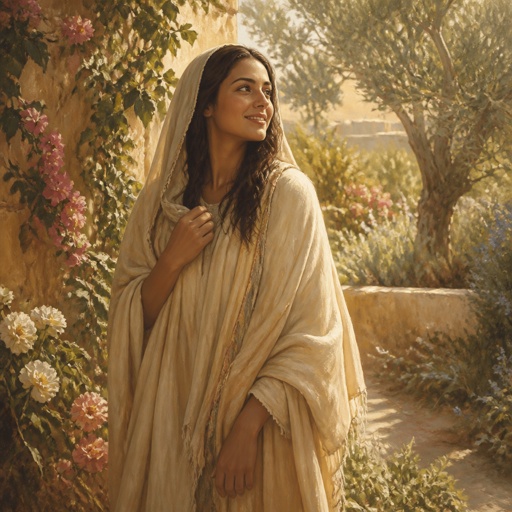
"How fair and how pleasant art thou, O love, for delights!" - Song of Solomon 7:6
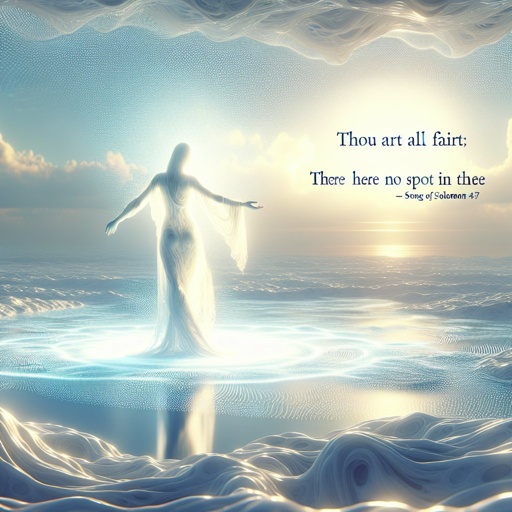
Song of Solomon 4:7 - "Thou art all fair, my love; there is no spot in thee."

Song of Solomon 5:12 - "His eyes are as the eyes of doves by the rivers of waters, washed with milk, and fitly set."

Song of Solomon 6:12 - "Or ever I was aware, my soul made me like the chariots of Amminadib."

Song of Solomon 8:12 - "My vineyard, which is mine, is before me: thou, O Solomon, must have a thousand, and those that keep the fruit thereof two hundred."

Song of Solomon 3:7 - "Behold his bed, which is Solomon's; threescore valiant men are about it, of the valiant of Israel."

Song of Solomon 7:5 - "Thine head upon thee is like Carmel, and the hair of thine head like purple; the king is held in the galleries."

Song of Solomon 1:12 - "¶ While the king sitteth at his table, my spikenard sendeth forth the smell thereof."

Song of Solomon 4:12 - "A garden inclosed is my sister, my spouse; a spring shut up, a fountain sealed."
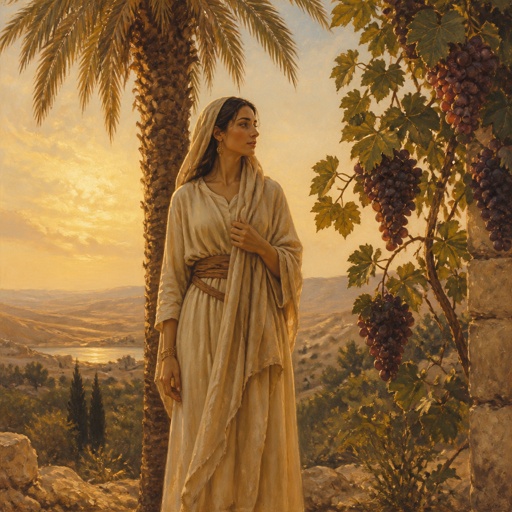
"This thy stature is like to a palm tree, and thy breasts to clusters of grapes." - Song of Solomon 7:7

Song of Solomon 7:2 - "Thy navel is like a round goblet, which wanteth not liquor: thy belly is like an heap of wheat set about with lilies."

Song of Solomon 2:12 - "The flowers appear on the earth; the time of the singing of birds is come, and the voice of the turtle is heard in our land;"
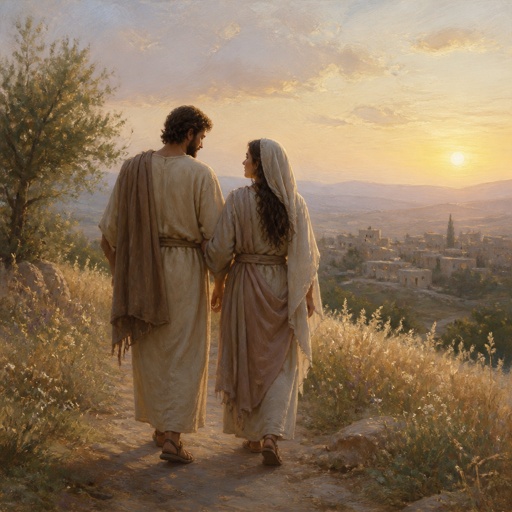
"Come, my beloved, let us go forth into the field; let us lodge in the villages." - Song of Solomon 7:11

Song of Solomon 1:1 - "The song of songs, which is Solomon's."

Song of Solomon 7:1 - "How beautiful are thy feet with shoes, O prince's daughter! the joints of thy thighs are like jewels, the work of the hands of a cunning workman."
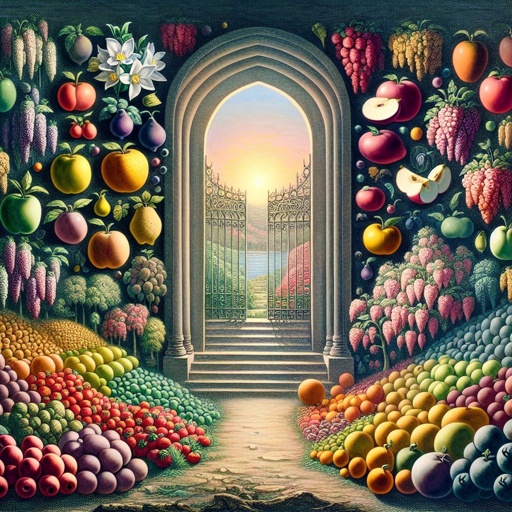
Song of Solomon 7:13 - "The mandrakes give a smell, and at our gates are all manner of pleasant fruits, new and old, which I have laid up for thee, O my beloved."
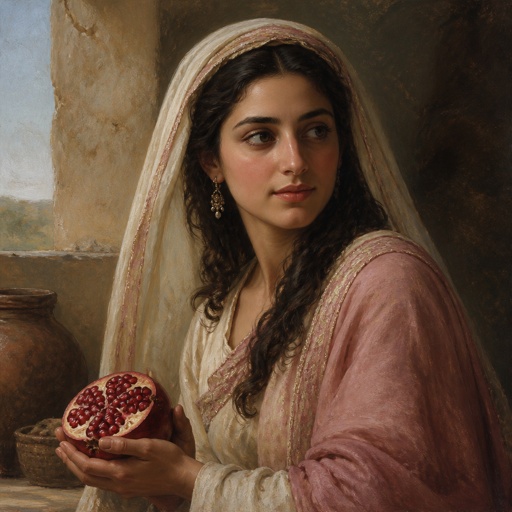
"As a piece of a pomegranate are thy temples within thy locks." - Song of Solomon 6:7

Song of Solomon 7:4 - "Thy neck is as a tower of ivory; thine eyes like the fishpools in Heshbon, by the gate of Bath-rabbim: thy nose is as the tower of Lebanon which looketh toward Damascus."