What does Song of Solomon 6:5 mean?
"Turn away thine eyes from me, for they have overcome me: thy hair is as a flock of goats that appear from Gilead." - Song of Solomon 6:5
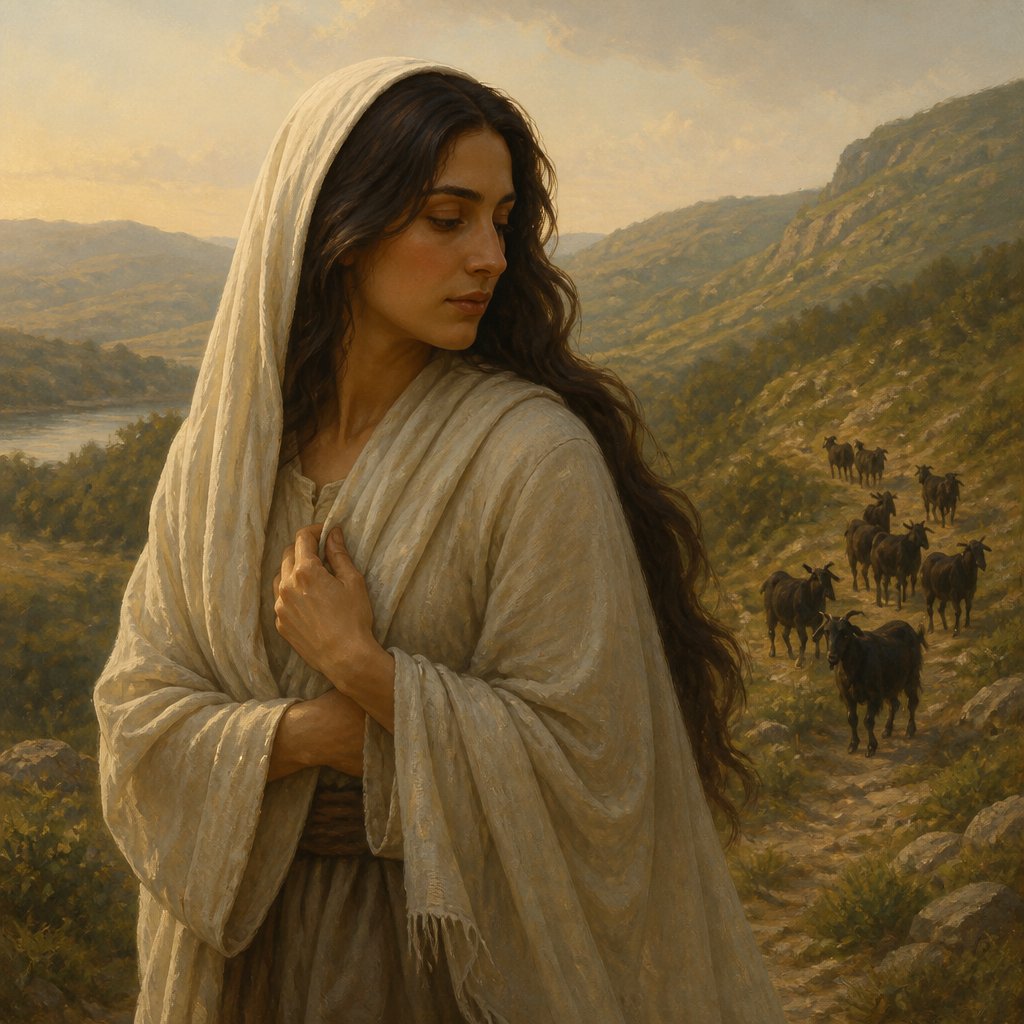
Song of Solomon 6:5 (KJV)
"Turn away thine eyes from me, for they have overcome me: thy hair is as a flock of goats that appear from Gilead."
The Song of Solomon, also known as the Song of Songs, is a book in the Old Testament of the Bible that is attributed to King Solomon. It is a love poem that is often interpreted as an allegory for the love between God and Israel, or Christ and the church. The verses in this book are rich with imagery and symbolism, and convey the intensity and passion of romantic love.
In Song of Solomon 6:5, the speaker addresses their lover, expressing a feeling of being overwhelmed by the intensity of their gaze. The imagery used in this verse is vivid and potent, evoking a strong emotional response. The phrase "Turn away thine eyes from me, for they have overcome me" conveys a sense of longing and desire, as well as a feeling of being unable to withstand the lover's gaze. This suggests the powerful effect that love and desire can have on an individual, and the way it can overwhelm and consume them.
The second part of the verse, "thy hair is as a flock of goats that appear from Gilead," further adds to the imagery and symbolism. In the ancient Near East, hair was often seen as a sign of beauty and fertility, and the comparison of the lover's hair to a flock of goats from Gilead emphasizes its abundance and attractiveness. This serves to enhance the image of the lover's captivating presence and alluring beauty.
The use of the phrase "flock of goats" also carries further significance. In biblical symbolism, goats are often associated with strength, vitality, and independence. Here, the comparison of the lover's hair to a flock of goats may be interpreted as a symbol of the lover's alluring and powerful presence, and their ability to captivate and enchant the speaker.
The context of this verse is important to consider in order to fully grasp its meaning. Throughout the Song of Solomon, there is a recurring theme of love, desire, and the beauty of the beloved. The book is filled with expressions of longing, admiration, and devotion between the lovers, and it celebrates the intensity and passion of romantic love.
In a broader context, the Song of Solomon can also be seen as a metaphor for the relationship between God and his people. The intense longing and desire expressed by the lovers can be interpreted as a reflection of the deep yearning for spiritual union and intimacy with God. The imagery of the lover's overwhelming gaze and alluring beauty may be understood as a symbol of God's irresistible presence and the allure of divine love.
Overall, Song of Solomon 6:5 is a deeply evocative verse that conveys the intensity and passion of romantic love, as well as the powerful and captivating presence of the beloved. Its imagery and symbolism contribute to a rich and layered interpretation, and its themes resonate with the universal experiences of longing, desire, and the profound yearning for connection and intimacy. Whether interpreted in a literal or metaphorical sense, this verse offers a poignant and profound exploration of the depths of love and desire.
Have questions about Song of Solomon 6:5?
Dive deeper into this scripture with Bible Chat — an AI-powered tool for exploring God's Word through conversation. Ask questions, get context, and grow in your understanding of the Bible.
Get Our Apps


Song of Solomon 6:5 Artwork

Song of Solomon 6:5 - "Turn away thine eyes from me, for they have overcome me: thy hair is as a flock of goats that appear from Gilead."
"Turn away thine eyes from me, for they have overcome me: thy hair is as a flock of goats that appear from Gilead." - Song of Solomon 6:5

Song of Solomon 6:8 - "There are threescore queens, and fourscore concubines, and virgins without number."

Song of Solomon 5:11

Song of Solomon 6:7 - "As a piece of a pomegranate are thy temples within thy locks."

Song of Solomon 6:12 - "Or ever I was aware, my soul made me like the chariots of Amminadib."

Song of Solomon 6:3 - "I am my beloved's, and my beloved is mine: he feedeth among the lilies."
!["Who [is] she [that] looketh forth as the morning, fair as the moon, clear as the sun, [and] terrible as [an army] with banners?" - Song of Solomon 6:10](https://media.bible.art/6b2ee690-5202-4c13-a4ad-2500f2f9b28c-thumbnail.jpg)
"Who [is] she [that] looketh forth as the morning, fair as the moon, clear as the sun, [and] terrible as [an army] with banners?" - Song of Solomon 6:10
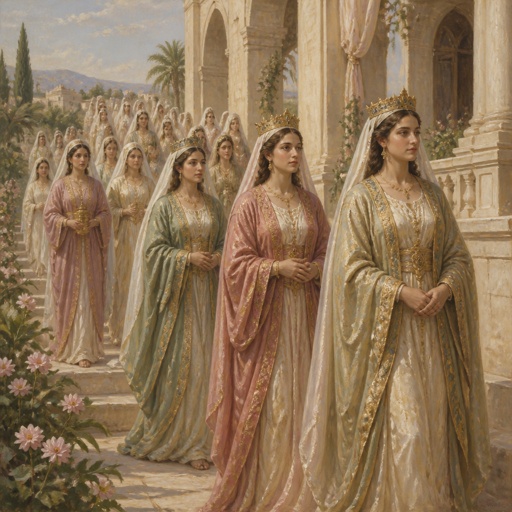
"There are threescore queens, and fourscore concubines, and virgins without number." - Song of Solomon 6:8

Song of Solomon 1:5 - "I am black, but comely, O ye daughters of Jerusalem, as the tents of Kedar, as the curtains of Solomon."

Song of Solomon 6:4 - "¶ Thou art beautiful, O my love, as Tirzah, comely as Jerusalem, terrible as an army with banners."
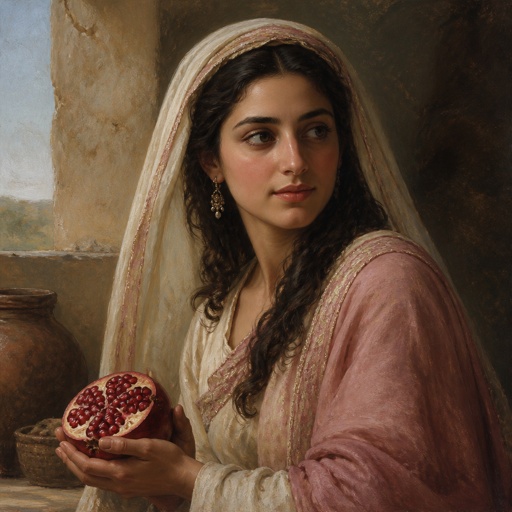
"As a piece of a pomegranate are thy temples within thy locks." - Song of Solomon 6:7

Song of Solomon 5:10 - "My beloved is white and ruddy, the chiefest among ten thousand."

Song of Solomon 7:6 - "How fair and how pleasant art thou, O love, for delights!"

Song of Solomon 6:10 - "¶ Who is she that looketh forth as the morning, fair as the moon, clear as the sun, and terrible as an army with banners?"

Song of Solomon 6:2 - "My beloved is gone down into his garden, to the beds of spices, to feed in the gardens, and to gather lilies."

Song of Solomon 5:12 - "His eyes are as the eyes of doves by the rivers of waters, washed with milk, and fitly set."

Song of Solomon 2:5 - "Stay me with flagons, comfort me with apples: for I am sick of love."

Song of Solomon 5:11 - "His head is as the most fine gold, his locks are bushy, and black as a raven."
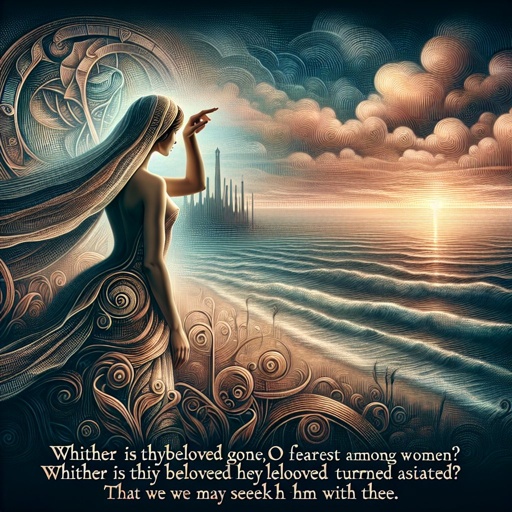
Song of Solomon 6:1 - "Whither is thy beloved gone, O thou fairest among women? whither is thy beloved turned aside? that we may seek him with thee."

Song of Solomon 6:11 - "I went down into the garden of nuts to see the fruits of the valley, and to see whether the vine flourished, and the pomegranates budded."
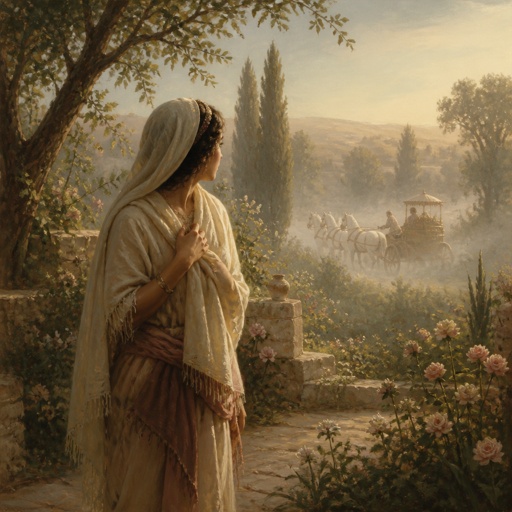
"Or ever I was aware, my soul made me like the chariots of Amminadib." - Song of Solomon 6:12

Song of Solomon 6:6 - "Thy teeth are as a flock of sheep which go up from the washing, whereof every one beareth twins, and there is not one barren among them."
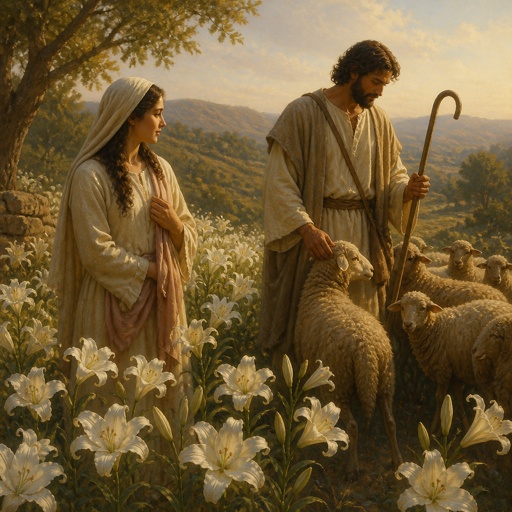
"I am my beloved's, and my beloved is mine: he feedeth among the lilies." - Song of Solomon 6:3

Song of Solomon 2:6 - "His left hand is under my head, and his right hand doth embrace me."

Song of Solomon 5:14 - "His hands are as gold rings set with the beryl: his belly is as bright ivory overlaid with sapphires."

Song of Solomon 5:4 - "My beloved put in his hand by the hole of the door, and my bowels were moved for him."

Song of Solomon 4:5 - "Thy two breasts are like two young roes that are twins, which feed among the lilies."

Song of Solomon 1:1 - "The song of songs, which is Solomon's."
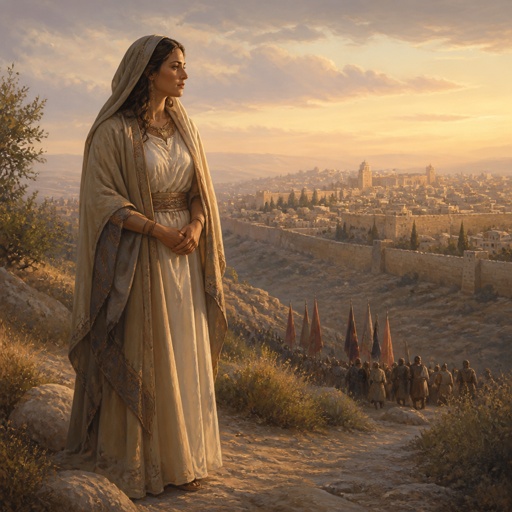
"¶ Thou art beautiful, O my love, as Tirzah, comely as Jerusalem, terrible as an army with banners." - Song of Solomon 6:4