What does Song of Solomon 6:4 mean?
"¶ Thou art beautiful, O my love, as Tirzah, comely as Jerusalem, terrible as an army with banners." - Song of Solomon 6:4
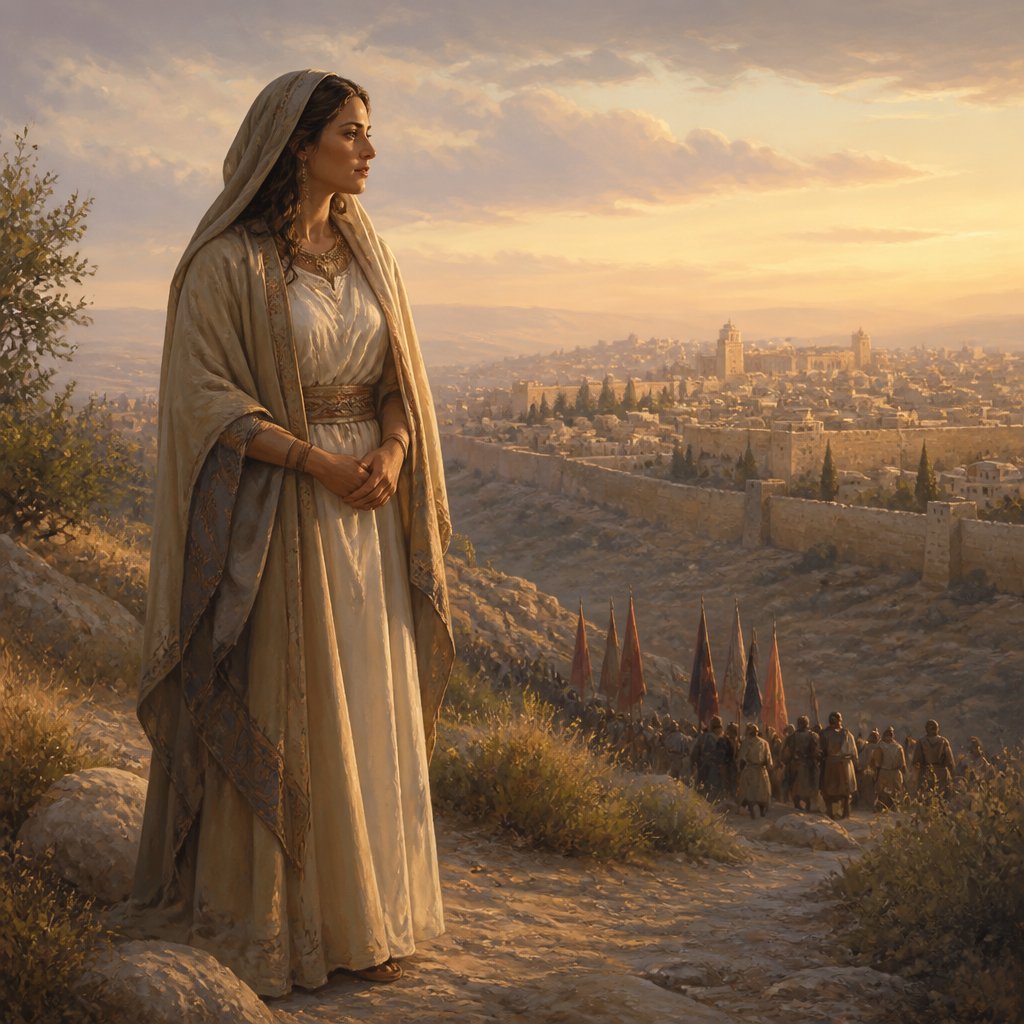
Song of Solomon 6:4 (KJV) - "Thou art beautiful, O my love, as Tirzah, comely as Jerusalem, terrible as an army with banners."
The Song of Solomon, also known as the Song of Songs, is a book of the Bible that is filled with beautiful and poetic verses about love and intimacy. This particular verse, found in chapter 6, is spoken by the bridegroom in reference to his beloved. It is a declaration of the bride's beauty and strength, using symbolic language to convey the depth of his love and admiration for her.
In this verse, the bridegroom first describes his beloved as "beautiful" and "comely," emphasizing her physical attractiveness and grace. Comparing her to Tirzah, a city known for its beauty, and Jerusalem, the holy city, the bridegroom highlights the bride's radiance and purity. These comparisons also reflect the bride's spiritual and emotional beauty, suggesting that she carries both external and internal loveliness.
The verse then takes a surprising turn as the bridegroom describes his beloved as "terrible as an army with banners." This phrase may seem jarring at first, especially in the context of a love poem. However, it is important to understand the symbolic meaning behind it. The bridegroom is not suggesting that his beloved is fearsome or intimidating in a negative sense. Rather, he is acknowledging her strength, bravery, and power. The imagery of an army with banners evokes a sense of unity, purpose, and honor. It suggests that the bride is not only beautiful and graceful but also possesses a formidable and noble presence. This duality of beauty and strength makes her a truly awe-inspiring and captivating figure in the eyes of the bridegroom.
The overall themes present in this verse revolve around love, admiration, and the multifaceted nature of the bride's character. It speaks to the depth of the bridegroom's affection and his recognition of the bride's inner and outer beauty, as well as her strength and resilience.
In a broader context, this verse can also be interpreted as a metaphor for the love and admiration that God has for his people. Throughout the Bible, God's love for his followers is often likened to the love between a bridegroom and his bride. In the New Testament, the relationship between Christ and the church is described in similar terms. Therefore, this verse can be seen as a reflection of God's profound love and appreciation for those who are faithful to him.
In conclusion, Song of Solomon 6:4 is a powerful and evocative verse that captures the depth of love and admiration between the bridegroom and his beloved. Through its poetic language and symbolic imagery, it conveys a message of beauty, strength, and unity. It also carries a deeper spiritual significance, reflecting the enduring love and connection between God and his people.
Have questions about Song of Solomon 6:4?
Dive deeper into this scripture with Bible Chat — an AI-powered tool for exploring God's Word through conversation. Ask questions, get context, and grow in your understanding of the Bible.
Get Our Apps


Song of Solomon 6:4 Artwork

Song of Solomon 6:4 - "¶ Thou art beautiful, O my love, as Tirzah, comely as Jerusalem, terrible as an army with banners."
"¶ Thou art beautiful, O my love, as Tirzah, comely as Jerusalem, terrible as an army with banners." - Song of Solomon 6:4

Song of Solomon 4:6 - "Until the day break, and the shadows flee away, I will get me to the mountain of myrrh, and to the hill of frankincense."

Song of Solomon 6:8 - "There are threescore queens, and fourscore concubines, and virgins without number."

Song of Solomon 1:4

Song of Solomon 1:4

Song of Solomon 3:4

Song of Solomon 6:7 - "As a piece of a pomegranate are thy temples within thy locks."

Song of Solomon 6:12 - "Or ever I was aware, my soul made me like the chariots of Amminadib."

Song of Solomon 6:3 - "I am my beloved's, and my beloved is mine: he feedeth among the lilies."
!["Who [is] she [that] looketh forth as the morning, fair as the moon, clear as the sun, [and] terrible as [an army] with banners?" - Song of Solomon 6:10](https://media.bible.art/6b2ee690-5202-4c13-a4ad-2500f2f9b28c-thumbnail.jpg)
"Who [is] she [that] looketh forth as the morning, fair as the moon, clear as the sun, [and] terrible as [an army] with banners?" - Song of Solomon 6:10
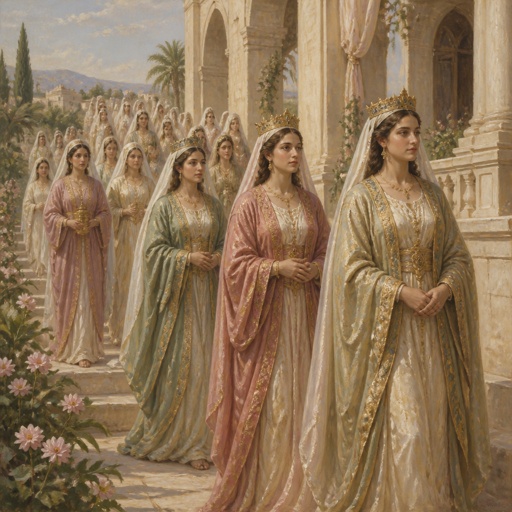
"There are threescore queens, and fourscore concubines, and virgins without number." - Song of Solomon 6:8
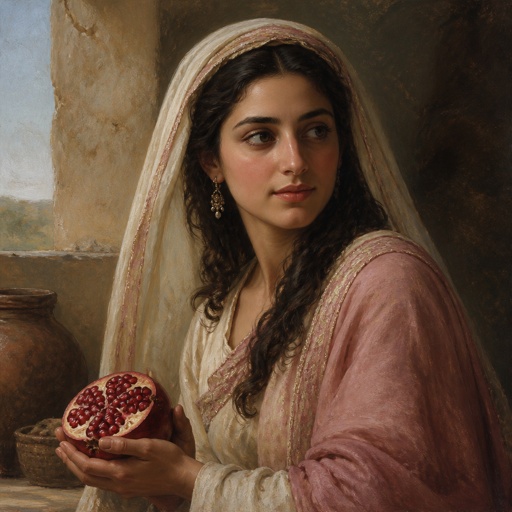
"As a piece of a pomegranate are thy temples within thy locks." - Song of Solomon 6:7

Song of Solomon 4:13 - "Thy plants are an orchard of pomegranates, with pleasant fruits; camphire, with spikenard,"

Song of Solomon 7:6 - "How fair and how pleasant art thou, O love, for delights!"
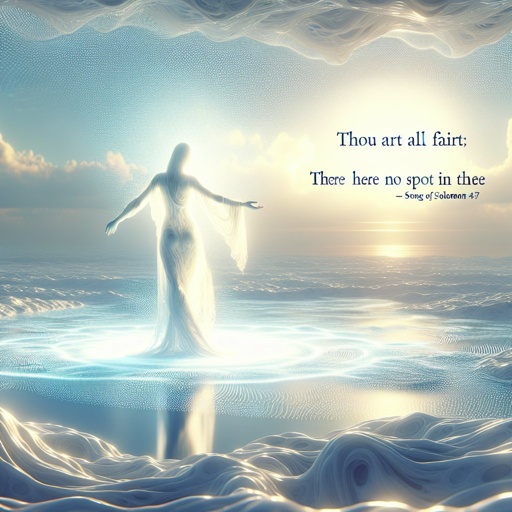
Song of Solomon 4:7 - "Thou art all fair, my love; there is no spot in thee."

Song of Solomon 4:15 - "A fountain of gardens, a well of living waters, and streams from Lebanon."

Song of Solomon 6:5 - "Turn away thine eyes from me, for they have overcome me: thy hair is as a flock of goats that appear from Gilead."

Song of Solomon 6:10 - "¶ Who is she that looketh forth as the morning, fair as the moon, clear as the sun, and terrible as an army with banners?"

Song of Solomon 6:2 - "My beloved is gone down into his garden, to the beds of spices, to feed in the gardens, and to gather lilies."
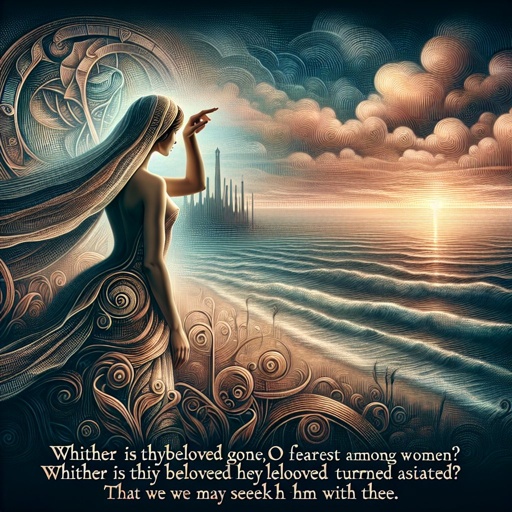
Song of Solomon 6:1 - "Whither is thy beloved gone, O thou fairest among women? whither is thy beloved turned aside? that we may seek him with thee."

Song of Solomon 6:11 - "I went down into the garden of nuts to see the fruits of the valley, and to see whether the vine flourished, and the pomegranates budded."

Song of Solomon 2:4 - "He brought me to the banqueting house, and his banner over me was love."
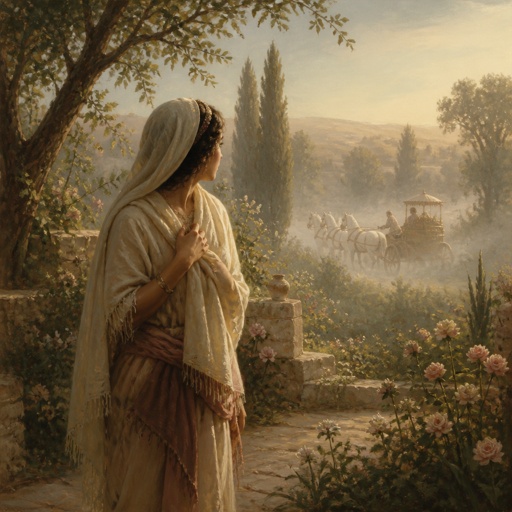
"Or ever I was aware, my soul made me like the chariots of Amminadib." - Song of Solomon 6:12

Song of Solomon 6:6 - "Thy teeth are as a flock of sheep which go up from the washing, whereof every one beareth twins, and there is not one barren among them."
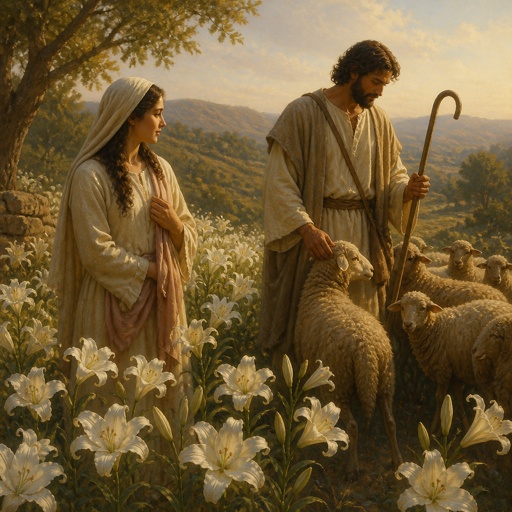
"I am my beloved's, and my beloved is mine: he feedeth among the lilies." - Song of Solomon 6:3

Song of Solomon 4:4 - "Thy neck is like the tower of David builded for an armoury, whereon there hang a thousand bucklers, all shields of mighty men."

Song of Solomon 2:6 - "His left hand is under my head, and his right hand doth embrace me."
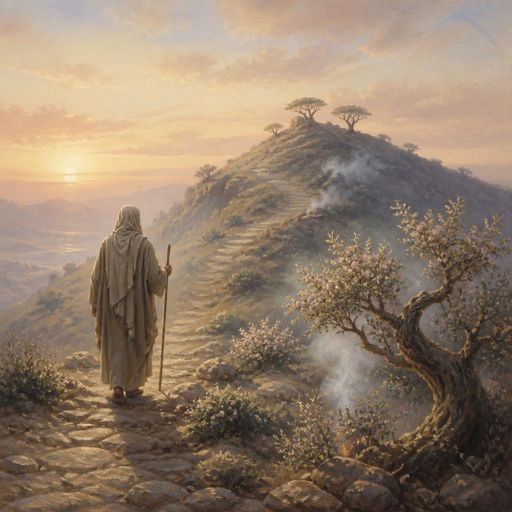
"Until the day break, and the shadows flee away, I will get me to the mountain of myrrh, and to the hill of frankincense." - Song of Solomon 4:6

Song of Solomon 1:1 - "The song of songs, which is Solomon's."