What does Song of Solomon 4:6 mean?
"Until the day break, and the shadows flee away, I will get me to the mountain of myrrh, and to the hill of frankincense." - Song of Solomon 4:6
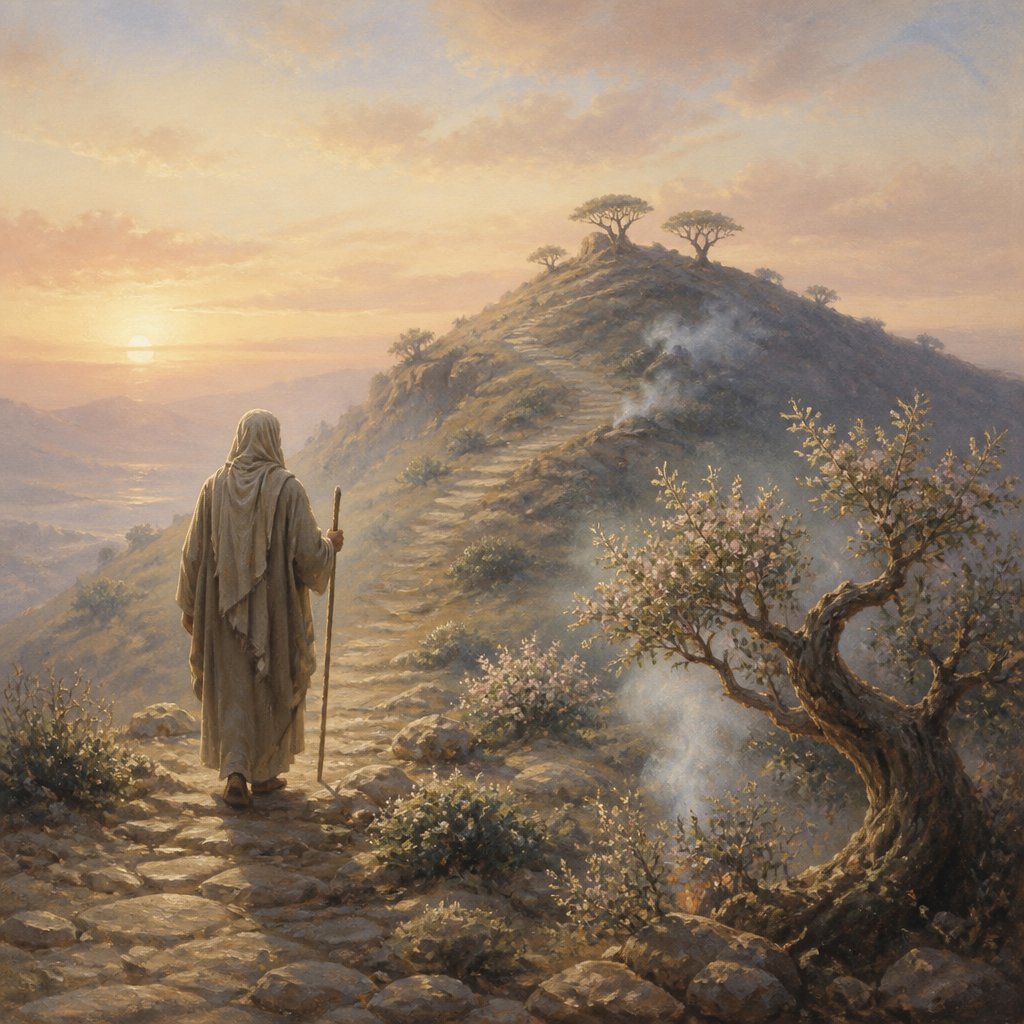
Song of Solomon 4:6 (KJV) states, "Until the day break, and the shadows flee away, I will get me to the mountain of myrrh, and to the hill of frankincense." This verse is part of the Song of Solomon, which is a book of the Old Testament that is also known as the Song of Songs. It is a unique and highly poetic book that celebrates the beauty of romantic and sexual love within the context of marriage.
In this particular verse, the imagery used is rich and evocative, and it holds deep meaning within the context of the overall book. The phrase "Until the day break, and the shadows flee away" sets the scene as a time of darkness and uncertainty, perhaps even fear. The reference to the breaking of the day and the fleeing of shadows speaks to a sense of hope and relief from whatever may be troubling the speaker.
The following part of the verse, "I will get me to the mountain of myrrh, and to the hill of frankincense," presents a striking image of the speaker seeking solace and restoration. Myrrh and frankincense were both highly valued and precious substances in the ancient world, often used in religious rituals and as offerings to deity. The mountain and hill mentioned here are symbolic of places of refuge, peace, and transcendence, where the speaker may find healing and respite from the darkness and shadows.
One way to interpret this verse is as an expression of the speaker's determination to seek out places of spiritual and emotional nourishment in the face of adversity. The use of myrrh and frankincense as symbols of healing and divine connection suggests that the speaker is seeking not just physical relief, but also a deeper, more profound kind of restoration. This verse can be seen as a testament to the power of love and faith to sustain and uplift us in times of trouble.
In the broader context of the Song of Solomon, this verse adds to the overall themes of love, longing, and the strength of relationships. The book as a whole is a celebration of the profound bond between two lovers, and it explores the many facets of romantic and sexual love within the context of marriage. This verse fits into that theme by portraying the speaker's unwavering commitment to seeking out sources of healing and renewal, even in the midst of difficulty.
The use of natural imagery, such as mountains and hills, also adds to the depth of the verse. Mountains and hills are often used in the Bible as symbols of strength, endurance, and transcendence. In this verse, they serve as powerful symbols of the speaker's determination and resilience in the face of hardship. The mention of myrrh and frankincense, with their associations with religious and spiritual significance, further underscores the deeply symbolic nature of the verse.
Overall, Song of Solomon 4:6 is a testament to the power of love and faith to sustain us in times of trouble. It speaks to the human need for solace and renewal, and it offers a message of hope and perseverance in the face of adversity. Its rich imagery and profound symbolism make it a verse that continues to resonate with readers today, offering a timeless message of strength and resilience in the face of life's challenges.
Have questions about Song of Solomon 4:6?
Dive deeper into this scripture with Bible Chat — an AI-powered tool for exploring God's Word through conversation. Ask questions, get context, and grow in your understanding of the Bible.
Get Our Apps


Song of Solomon 4:6 Artwork

Song of Solomon 4:6 - "Until the day break, and the shadows flee away, I will get me to the mountain of myrrh, and to the hill of frankincense."
"Until the day break, and the shadows flee away, I will get me to the mountain of myrrh, and to the hill of frankincense." - Song of Solomon 4:6

Song of Solomon 6:4 - "¶ Thou art beautiful, O my love, as Tirzah, comely as Jerusalem, terrible as an army with banners."

Song of Solomon 1:4

Song of Solomon 1:4

Song of Solomon 3:4

Song of Solomon 4:13 - "Thy plants are an orchard of pomegranates, with pleasant fruits; camphire, with spikenard,"
Song of Solomon 4:7 - "Thou art all fair, my love; there is no spot in thee."

Song of Solomon 4:15 - "A fountain of gardens, a well of living waters, and streams from Lebanon."

Song of Solomon 4:12 - "A garden inclosed is my sister, my spouse; a spring shut up, a fountain sealed."

Song of Solomon 4:5 - "Thy two breasts are like two young roes that are twins, which feed among the lilies."

Song of Solomon 6:8 - "There are threescore queens, and fourscore concubines, and virgins without number."

Song of Solomon 6:7 - "As a piece of a pomegranate are thy temples within thy locks."

Song of Solomon 4:14 - "Spikenard and saffron; calamus and cinnamon, with all trees of frankincense; myrrh and aloes, with all the chief spices:"
"Thou art all fair, my love; there is no spot in thee." - Song of Solomon 4:7

Song of Solomon 7:6 - "How fair and how pleasant art thou, O love, for delights!"
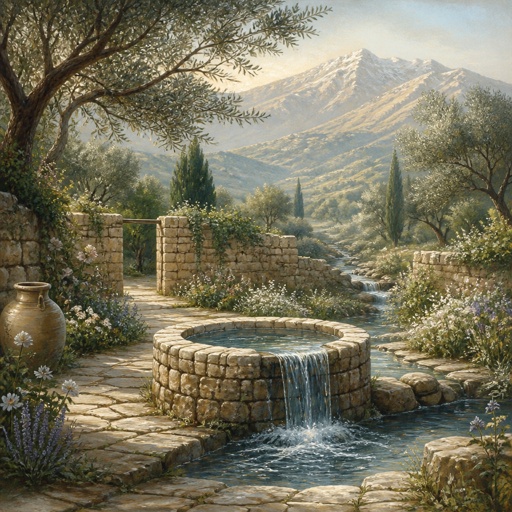
"A fountain of gardens, a well of living waters, and streams from Lebanon." - Song of Solomon 4:15

Song of Solomon 6:12 - "Or ever I was aware, my soul made me like the chariots of Amminadib."
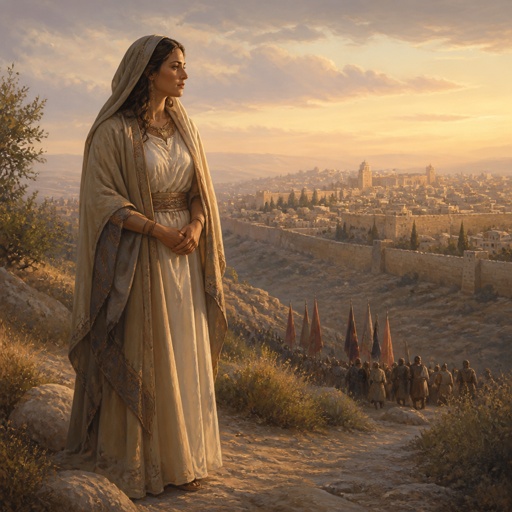
"¶ Thou art beautiful, O my love, as Tirzah, comely as Jerusalem, terrible as an army with banners." - Song of Solomon 6:4

Song of Solomon 4:3 - "Thy lips are like a thread of scarlet, and thy speech is comely: thy temples are like a piece of a pomegranate within thy locks."
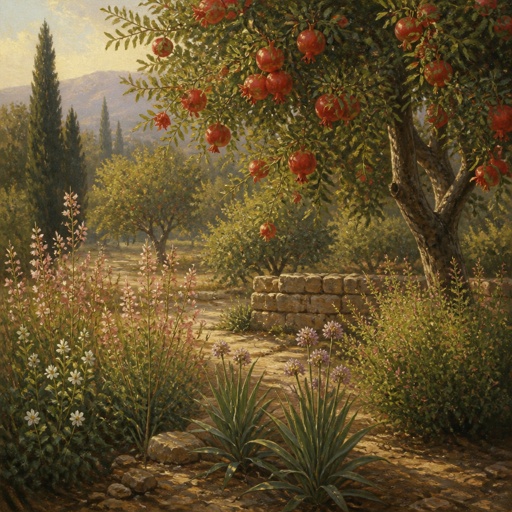
"Thy plants are an orchard of pomegranates, with pleasant fruits; camphire, with spikenard," - Song of Solomon 4:13
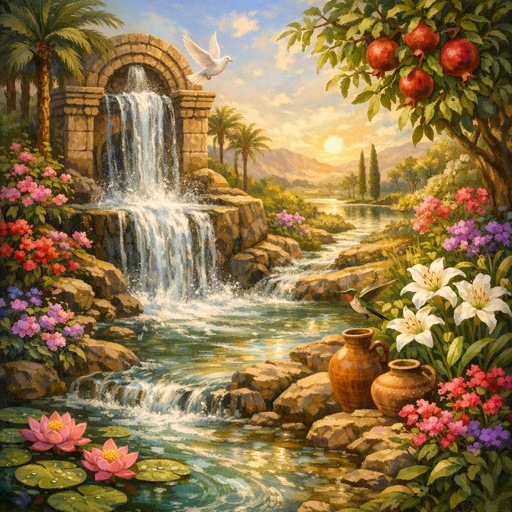
"A fountain of gardens, a well of living waters, and streams from Lebanon." - Song of Solomon 4:15

Song of Solomon 2:4 - "He brought me to the banqueting house, and his banner over me was love."

Song of Solomon 4:4 - "Thy neck is like the tower of David builded for an armoury, whereon there hang a thousand bucklers, all shields of mighty men."

Song of Solomon 4:9 - "Thou hast ravished my heart, my sister, my spouse; thou hast ravished my heart with one of thine eyes, with one chain of thy neck."
!["Who [is] she [that] looketh forth as the morning, fair as the moon, clear as the sun, [and] terrible as [an army] with banners?" - Song of Solomon 6:10](https://media.bible.art/6b2ee690-5202-4c13-a4ad-2500f2f9b28c-thumbnail.jpg)
"Who [is] she [that] looketh forth as the morning, fair as the moon, clear as the sun, [and] terrible as [an army] with banners?" - Song of Solomon 6:10

Song of Solomon 6:3 - "I am my beloved's, and my beloved is mine: he feedeth among the lilies."

Song of Solomon 2:6 - "His left hand is under my head, and his right hand doth embrace me."

Song of Solomon 6:10 - "¶ Who is she that looketh forth as the morning, fair as the moon, clear as the sun, and terrible as an army with banners?"

Song of Solomon 1:1 - "The song of songs, which is Solomon's."