What does Song of Solomon 2:6 mean?
"His left hand is under my head, and his right hand doth embrace me." - Song of Solomon 2:6

Song of Solomon 2:6 (KJV) says, "His left hand is under my head, and his right hand doth embrace me." This verse is from the book of Song of Solomon, which is also known as the Song of Songs, and is traditionally attributed to King Solomon. It is a beautiful and poetic book that is often interpreted as an allegory of the love between God and His people, or the love between Christ and the Church.
In this particular verse, the speaker (often interpreted as the beloved) is expressing the comforting and loving presence of her lover (often interpreted as Christ or God). The imagery of the left hand under her head and the right hand embracing her conveys a sense of protection, security, and intimacy. The beloved feels completely enveloped and surrounded by the love of her lover, which brings her solace and peace.
The themes present in this verse include love, intimacy, comfort, and the presence of God. The imagery of the left hand under the head and the right hand embracing is a powerful representation of the all-encompassing nature of God's love and protection. It can be seen as a metaphor for God's presence in our lives, offering us support in times of trouble and embracing us with His love.
The context of the verse within the larger book of Song of Solomon also adds depth to its meaning. The entire book is a poetic exploration of love and desire, and it is traditionally understood as an allegory of the love between God and His people. The verse in question is part of a larger passage in which the beloved expresses her longing for the presence of her lover. The imagery of the lover's hands serving as both a pillow for her head and a comforting embrace highlights the intimate and personal nature of the relationship between the beloved and her lover, mirroring the relationship between God and His people.
Symbolism plays a significant role in understanding the meaning of this verse. The left hand and the right hand are often used in the Bible to symbolize power, strength, and authority. In this verse, the left hand under the head can be seen as a symbol of security and protection, while the right hand embracing the beloved symbolizes love and intimacy. Together, they represent the complete and all-encompassing care of God for His people. The imagery of the hands also conveys a sense of physical presence, emphasizing the tangible and real nature of God's love and support.
Overall, Song of Solomon 2:6 is a powerful and intimate expression of the love and care of God for His people. The imagery of the lover's hands offering comfort and embrace is a poignant symbol of God's presence in our lives, providing us with security, support, and intimacy. The verse serves as a reminder of the deep and personal relationship that God desires to have with each of us, offering us His love and protection in all circumstances. It is a beautiful portrayal of the unending love of God for His people and a source of comfort and hope for those who seek His presence.
Have questions about Song of Solomon 2:6?
Dive deeper into this scripture with Bible Chat — an AI-powered tool for exploring God's Word through conversation. Ask questions, get context, and grow in your understanding of the Bible.
Get Our Apps


Song of Solomon 2:6 Artwork

Song of Solomon 2:6 - "His left hand is under my head, and his right hand doth embrace me."

"His left hand is under my head, and his right hand doth embrace me." - Song of Solomon 2:6

Song of Solomon 2:3

Song of Solomon 2:15

Song of Solomon 2:15

Song of Solomon 6:2 - "My beloved is gone down into his garden, to the beds of spices, to feed in the gardens, and to gather lilies."

Song of Solomon 2:2 - "As the lily among thorns, so is my love among the daughters."

Song of Solomon 2:11 - "For, lo, the winter is past, the rain is over and gone;"

Song of Solomon 2:1 - "I am the rose of Sharon, and the lily of the valleys."

Song of Solomon 2:5 - "Stay me with flagons, comfort me with apples: for I am sick of love."

Song of Solomon 2:16 - "¶ My beloved is mine, and I am his: he feedeth among the lilies."

Song of Solomon 2:4 - "He brought me to the banqueting house, and his banner over me was love."

Song of Solomon 2:8 - "¶ The voice of my beloved! behold, he cometh leaping upon the mountains, skipping upon the hills."

Song of Solomon 6:8 - "There are threescore queens, and fourscore concubines, and virgins without number."

Song of Solomon 6:7 - "As a piece of a pomegranate are thy temples within thy locks."

Song of Solomon 2:10 - "My beloved spake, and said unto me, Rise up, my love, my fair one, and come away."

Song of Solomon 2:15 - "Take us the foxes, the little foxes, that spoil the vines: for our vines have tender grapes."

Song of Solomon 2:1 – "I am a rose of Sharon, a lily of the valleys."

Song of Solomon 7:6 - "How fair and how pleasant art thou, O love, for delights!"

"I am the rose of Sharon, and the lily of the valleys." - Song of Solomon 2:1

Song of Solomon 6:12 - "Or ever I was aware, my soul made me like the chariots of Amminadib."

Songs of Solomon 1:2
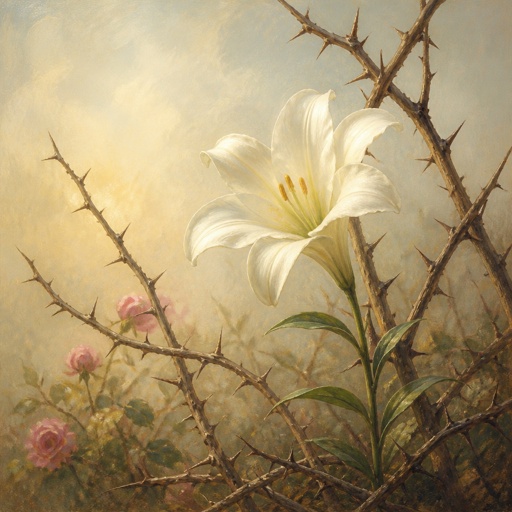
"As the lily among thorns, so is my love among the daughters." - Song of Solomon 2:2

"For, lo, the winter is past, the rain is over and gone;" - Song of Solomon 2:11
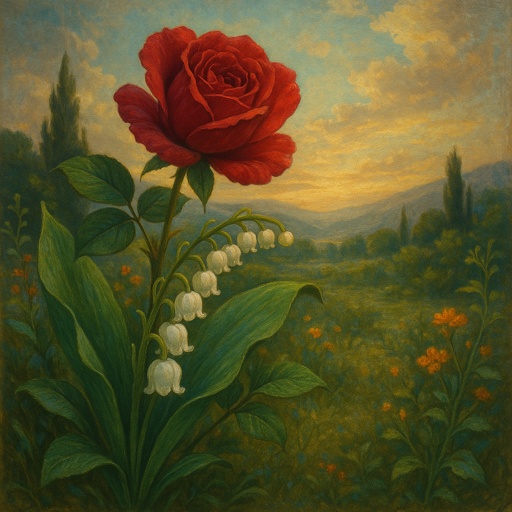
"I am the rose of Sharon, and the lily of the valleys." - Song of Solomon 2:1
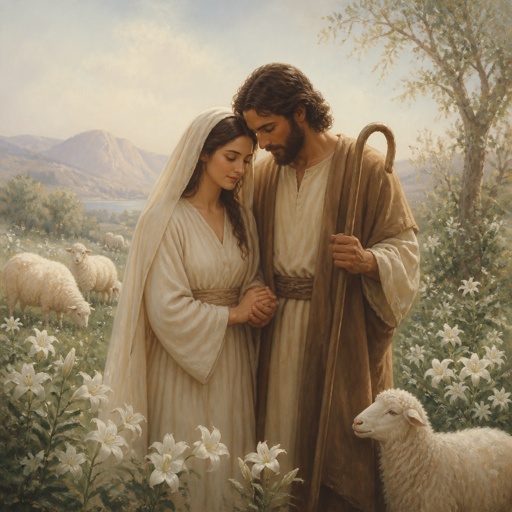
"¶ My beloved is mine, and I am his: he feedeth among the lilies." - Song of Solomon 2:16
!["Who [is] she [that] looketh forth as the morning, fair as the moon, clear as the sun, [and] terrible as [an army] with banners?" - Song of Solomon 6:10](https://media.bible.art/6b2ee690-5202-4c13-a4ad-2500f2f9b28c-thumbnail.jpg)
"Who [is] she [that] looketh forth as the morning, fair as the moon, clear as the sun, [and] terrible as [an army] with banners?" - Song of Solomon 6:10

Song of Solomon 6:3 - "I am my beloved's, and my beloved is mine: he feedeth among the lilies."

Song of Solomon 6:10 - "¶ Who is she that looketh forth as the morning, fair as the moon, clear as the sun, and terrible as an army with banners?"
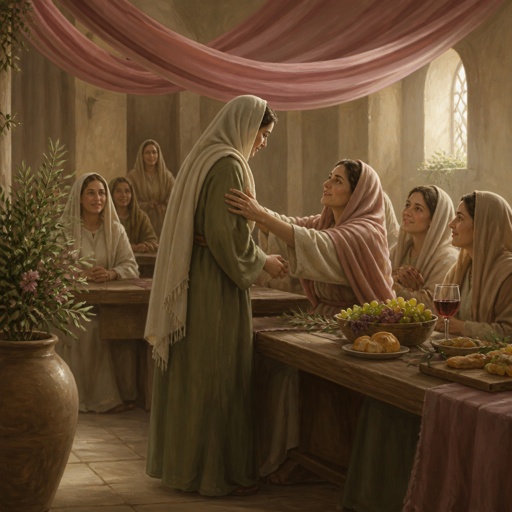
"He brought me to the banqueting house, and his banner over me was love." - Song of Solomon 2:4