What does Song of Solomon 2:17 mean?
"Until the day break, and the shadows flee away, turn, my beloved, and be thou like a roe or a young hart upon the mountains of Bether." - Song of Solomon 2:17

Song of Solomon 2:17 (KJV) – “Until the day break, and the shadows flee away, turn, my beloved, and be thou like a roe or a young hart upon the mountains of Bether.”
The Song of Solomon, also known as the Song of Songs, is a beautiful and poetic book found in the Old Testament of the Bible. Attributed to King Solomon, the book is a celebration of love and the deep intimacy between a man and a woman. Song of Solomon 2:17 is a particularly evocative and symbolic verse that captures the longing and desire of the woman for her beloved.
The verse begins with the image of the breaking of the day and the fleeing away of the shadows. This imagery is powerful and evocative, speaking to the idea of a new beginning and the departure of darkness. It signifies a turning point, a moment of transition from night to day, from uncertainty to clarity. This theme of light and darkness is a recurring motif throughout the Bible and is often used to symbolize the contrast between sin and righteousness, ignorance and knowledge, and despair and hope. In this verse, the breaking of the day represents a longing for a future filled with hope and promise.
The speaker then implores her beloved to turn and be like a roe or a young hart upon the mountains of Bether. The roe and the hart are both graceful and swift creatures, known for their agility and beauty. They are often associated with freedom and vitality. In this context, the woman is asking her beloved to be like these animals, to embody their characteristics of grace and freedom. The mountains of Bether likely symbolize a place of refuge and safety, where the lovers can find solace and peace in each other’s presence.
The verse is filled with a sense of yearning and anticipation. It conveys the longing of the woman for her beloved to be present, to turn towards her, and to embody the qualities of grace and freedom. This speaks to a deep desire for intimacy and connection, as well as a longing for a future filled with hope and promise. It also reflects the vulnerability and emotionality of the human experience, as the woman bares her soul and expresses her deepest desires.
The broader context of the Song of Solomon provides further insight into the meaning of this verse. The book as a whole is a celebration of love, desire, and intimacy. It depicts the deep emotional and physical connection between a man and a woman, celebrating the beauty and power of romantic love. Throughout the book, the lovers express their deep longing for each other, their desire for union, and their commitment to one another. Song of Solomon 2:17 is a reflection of this overarching theme, as the woman expresses her fervent desire for her beloved to be near, to embody grace and freedom, and to bring light and hope into their relationship.
In addition to its literal meaning, the verse can also be interpreted allegorically. Many scholars and theologians have viewed the Song of Solomon as a metaphor for the love between God and his people, or between Christ and the church. In this light, Song of Solomon 2:17 can be seen as an expression of the believer’s longing for the presence of God, for the arrival of a new day, and for the embodiment of grace and freedom in their relationship with the divine.
In conclusion, Song of Solomon 2:17 is a poignant and evocative verse that captures the deep longing and desire of the woman for her beloved. It conveys a sense of anticipation and yearning, as well as a longing for a future filled with hope and promise. It is a beautifully poetic expression of the universal human experience of love, desire, and intimacy, and it resonates with readers across time and culture. Whether interpreted literally or allegorically, this verse speaks to the universal human longing for connection, grace, and hope.
Have questions about Song of Solomon 2:17?
Dive deeper into this scripture with Bible Chat — an AI-powered tool for exploring God's Word through conversation. Ask questions, get context, and grow in your understanding of the Bible.
Get Our Apps


Song of Solomon 2:17 Artwork

Song of Solomon 2:17 - "Until the day break, and the shadows flee away, turn, my beloved, and be thou like a roe or a young hart upon the mountains of Bether."

"Until the day break, and the shadows flee away, turn, my beloved, and be thou like a roe or a young hart upon the mountains of Bether." - Song of Solomon 2:17

Song of Solomon 2:3

Song of Solomon 2:15

Song of Solomon 2:15

Song of Solomon 2:2 - "As the lily among thorns, so is my love among the daughters."

Song of Solomon 2:11 - "For, lo, the winter is past, the rain is over and gone;"

Song of Solomon 2:1 - "I am the rose of Sharon, and the lily of the valleys."

Song of Solomon 1:17 - "The beams of our house are cedar, and our rafters of fir."

Song of Solomon 2:5 - "Stay me with flagons, comfort me with apples: for I am sick of love."

Song of Solomon 2:16 - "¶ My beloved is mine, and I am his: he feedeth among the lilies."

Song of Solomon 2:4 - "He brought me to the banqueting house, and his banner over me was love."

Song of Solomon 2:6 - "His left hand is under my head, and his right hand doth embrace me."

Song of Solomon 2:8 - "¶ The voice of my beloved! behold, he cometh leaping upon the mountains, skipping upon the hills."

Song of Solomon 2:10 - "My beloved spake, and said unto me, Rise up, my love, my fair one, and come away."

Song of Solomon 2:15 - "Take us the foxes, the little foxes, that spoil the vines: for our vines have tender grapes."

Song of Solomon 2:1 – "I am a rose of Sharon, a lily of the valleys."

"I am the rose of Sharon, and the lily of the valleys." - Song of Solomon 2:1

Songs of Solomon 1:2

"As the lily among thorns, so is my love among the daughters." - Song of Solomon 2:2

"For, lo, the winter is past, the rain is over and gone;" - Song of Solomon 2:11

"I am the rose of Sharon, and the lily of the valleys." - Song of Solomon 2:1
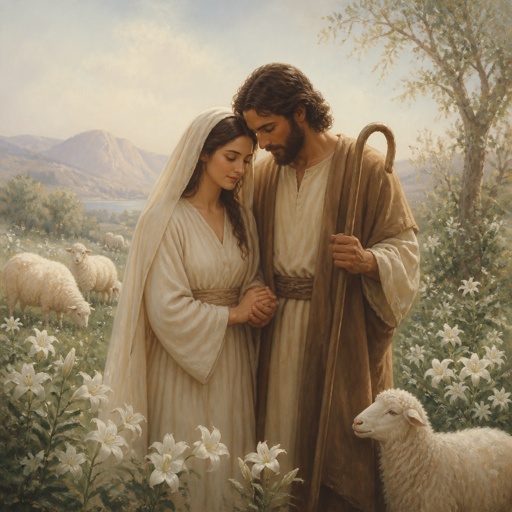
"¶ My beloved is mine, and I am his: he feedeth among the lilies." - Song of Solomon 2:16
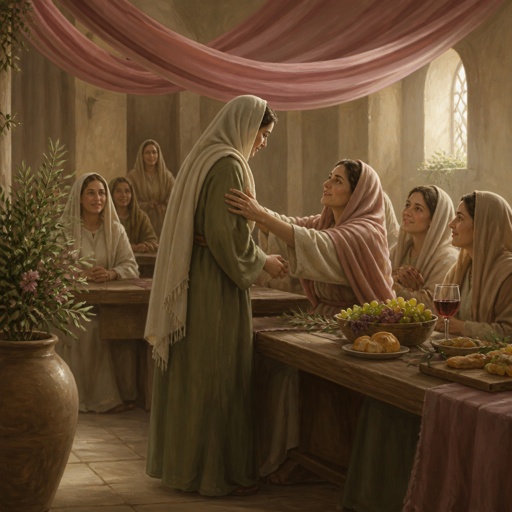
"He brought me to the banqueting house, and his banner over me was love." - Song of Solomon 2:4

Song of Solomon 1:1 - "The song of songs, which is Solomon's."
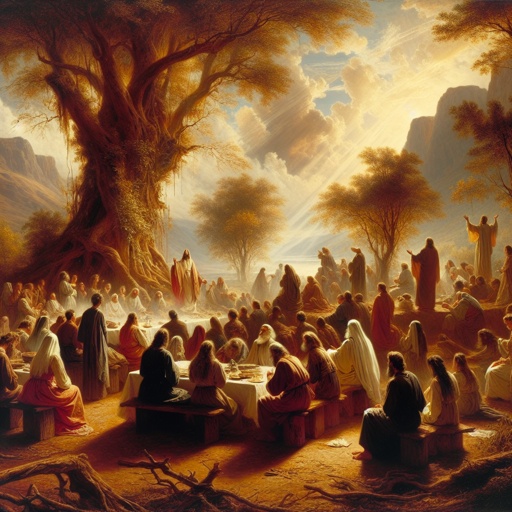
1 songs of Solomon 1:2

"The beams of our house are cedar, and our rafters of fir." - Song of Solomon 1:17
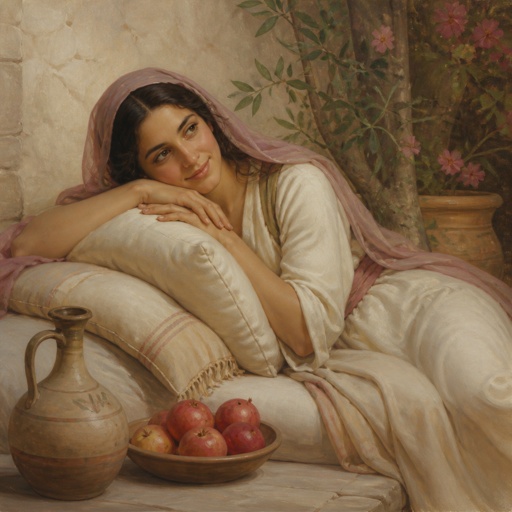
"Stay me with flagons, comfort me with apples: for I am sick of love." - Song of Solomon 2:5
!["He brought me to the banqueting house, and his banner over me [was] love." - Song of Solomon 2:4](https://media.bible.art/bd0457ec-32cc-4654-9106-4fc12fea703b-thumbnail.jpg)
"He brought me to the banqueting house, and his banner over me [was] love." - Song of Solomon 2:4

"His left hand is under my head, and his right hand doth embrace me." - Song of Solomon 2:6