What does Song of Solomon 1:9 mean?
"I have compared thee, O my love, to a company of horses in Pharaoh's chariots." - Song of Solomon 1:9
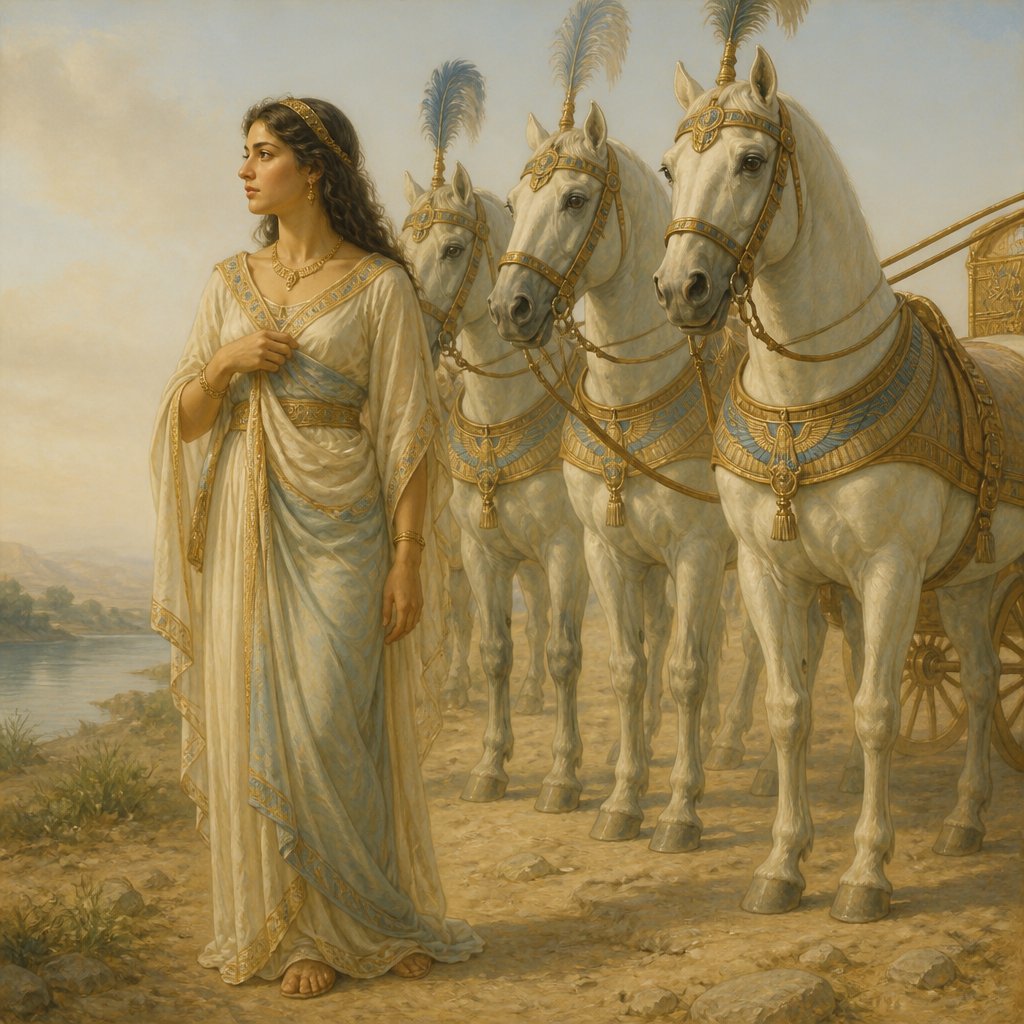
Song of Solomon 1:9 (KJV) - "I have compared thee, O my love, to a company of horses in Pharaoh’s chariots."
The Song of Solomon, also known as the Song of Songs, is a book in the Old Testament that is filled with beautiful and passionate poetry. It is traditionally attributed to King Solomon, although its authorship is debated among scholars. The book is unique in the Bible as it is a celebration of love and romantic relationships, and it is often interpreted as an allegory of the love between God and His people.
In the verse 1:9, the narrator, often interpreted as either King Solomon or his beloved, compares his love to a company of horses in Pharaoh's chariots. This comparison provides a powerful image of strength, speed, and beauty. In the ancient Near East, horses were highly valued for their strength and speed in battle, and Pharaoh's chariots were a symbol of military might and power. By comparing his love to such a majestic and formidable image, the narrator expresses the depth of his admiration and affection for his beloved.
This verse is part of a larger passage in which the narrator expresses his adoration and longing for his beloved. The entire Song of Solomon is a celebration of the physical and emotional aspects of love and desire, and it is filled with rich and evocative imagery. In this particular verse, the comparison to horses in Pharaoh's chariots suggests not only the physical beauty of the beloved but also their strength and power. It reflects the narrator's awe and reverence for his beloved, as well as his desire to honor and elevate her in his eyes.
The imagery of horses and chariots also carries deeper symbolic meaning. In the Bible, horses and chariots are often associated with warfare, strength, and power. They are frequently mentioned in the context of battles and conflicts, and they symbolize the might and authority of kings and rulers. By using this imagery to describe his love, the narrator is elevating and honoring her with the highest praise he can offer. He sees her as a source of strength and beauty, worthy of comparison to the most powerful and majestic creatures and vehicles of the ancient world.
The verse can also be interpreted in a more spiritual context. In Christian theology, the Song of Solomon is often seen as an allegory of the love between Christ and the Church. In this interpretation, the comparison of the beloved to a company of horses in Pharaoh's chariots can be seen as a representation of the Church's strength and beauty in the eyes of Christ. The Church is seen as a powerful and majestic force, capable of moving swiftly and decisively in the spiritual realm. This interpretation emphasizes the spiritual significance of the verse and highlights the idea of the Church as a beloved and treasured entity in the eyes of Christ.
Overall, Song of Solomon 1:9 is a striking and evocative verse that celebrates the strength, beauty, and power of love. It utilizes powerful imagery to convey the depth of the narrator's feelings for his beloved, and it can be interpreted in both a romantic and a spiritual context. The verse reflects the timeless and universal themes of love, desire, and admiration, and it continues to resonate with readers and scholars alike for its rich and vivid depiction of human and divine love.
Have questions about Song of Solomon 1:9?
Dive deeper into this scripture with Bible Chat — an AI-powered tool for exploring God's Word through conversation. Ask questions, get context, and grow in your understanding of the Bible.
Get Our Apps


Song of Solomon 1:9 Artwork

Song of Solomon 1:9 - "I have compared thee, O my love, to a company of horses in Pharaoh's chariots."
"I have compared thee, O my love, to a company of horses in Pharaoh's chariots." - Song of Solomon 1:9

Songs of Solomon 1:2

Song of Solomon 1:4

Song of Solomon 1:4

Song of Solomon 1:1 - "The song of songs, which is Solomon's."
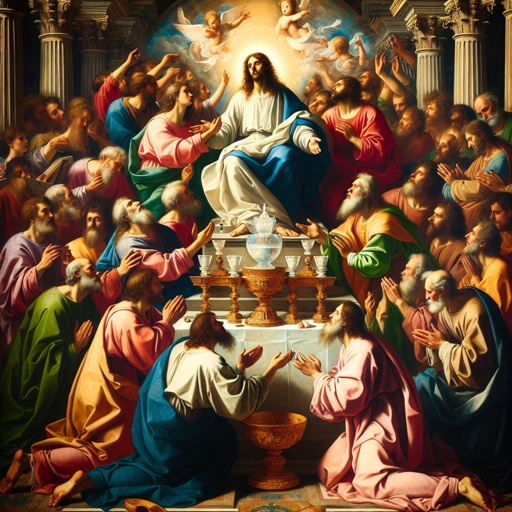
1 Songs of Solomon 1:1
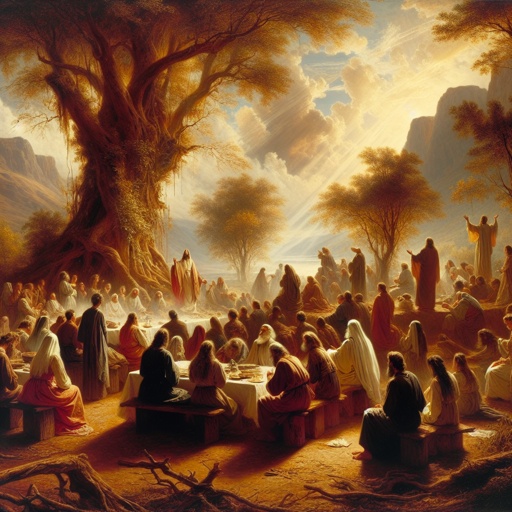
1 songs of Solomon 1:2
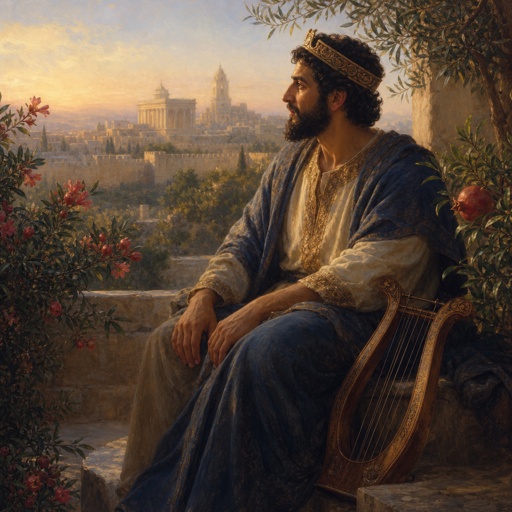
"The song of songs, which is Solomon's." - Song of Solomon 1:1

Song of Solomon 3:9 - "King Solomon made himself a chariot of the wood of Lebanon."

Song of Solomon 1:12 - "¶ While the king sitteth at his table, my spikenard sendeth forth the smell thereof."

Song of Solomon 1:11 - "We will make thee borders of gold with studs of silver."

Song of Solomon 1:5 - "I am black, but comely, O ye daughters of Jerusalem, as the tents of Kedar, as the curtains of Solomon."

Song of Solomon 1:15 - "Behold, thou art fair, my love; behold, thou art fair; thou hast doves' eyes."

Song of Solomon 1:17 - "The beams of our house are cedar, and our rafters of fir."

Song of Solomon 1:14 - "My beloved is unto me as a cluster of camphire in the vineyards of En-gedi."

Song of Solomon 1:16 - "Behold, thou art fair, my beloved, yea, pleasant: also our bed is green."
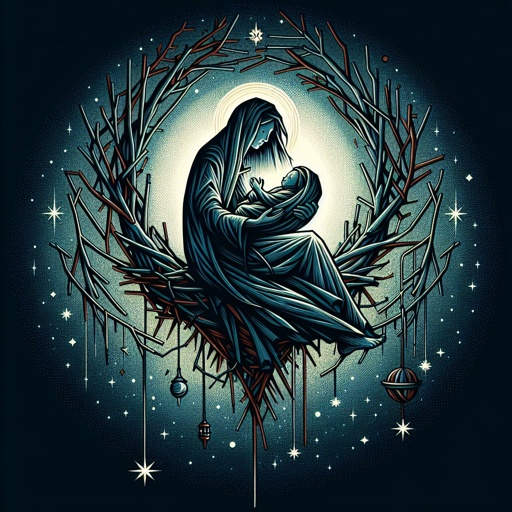
Song of Solomon 1:13 - "A bundle of myrrh is my wellbeloved unto me; he shall lie all night betwixt my breasts."
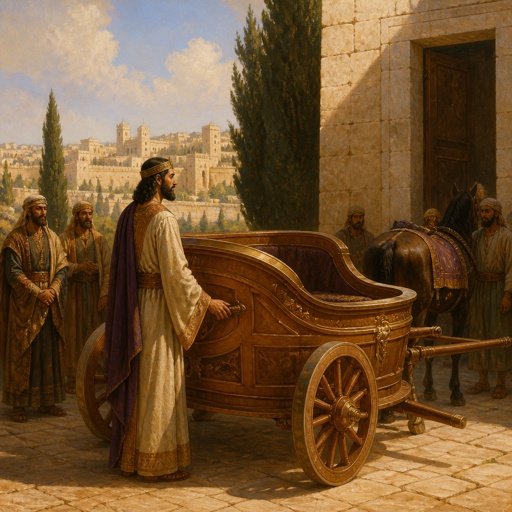
"King Solomon made himself a chariot of the wood of Lebanon." - Song of Solomon 3:9

Song of Solomon 1:10 - "Thy cheeks are comely with rows of jewels, thy neck with chains of gold."

Song of Solomon 2:15

Song of Solomon 5:11

Song of Solomon 2:3

Song of Solomon 2:15

"The beams of our house are cedar, and our rafters of fir." - Song of Solomon 1:17

Song of Solomon 1:2 - "Let him kiss me with the kisses of his mouth: for thy love is better than wine."

Song of Solomon 1:3 - "Because of the savour of thy good ointments thy name is as ointment poured forth, therefore do the virgins love thee."
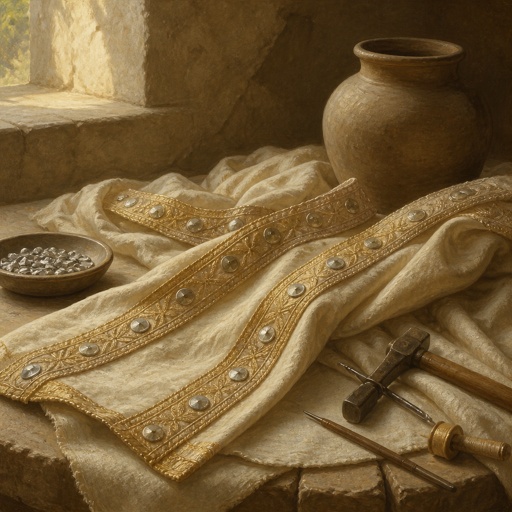
"We will make thee borders of gold with studs of silver." - Song of Solomon 1:11
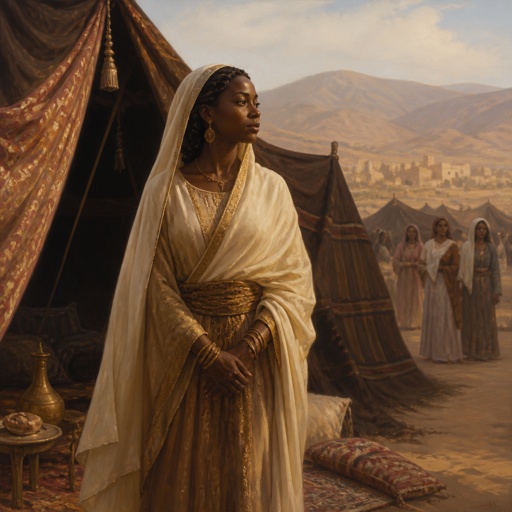
"I am black, but comely, O ye daughters of Jerusalem, as the tents of Kedar, as the curtains of Solomon." - Song of Solomon 1:5
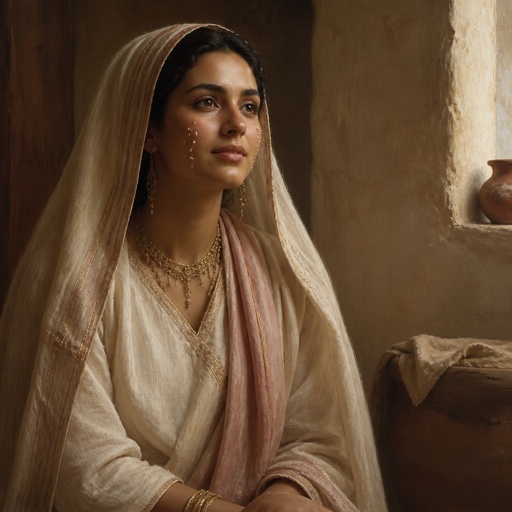
"Thy cheeks are comely with rows of jewels, thy neck with chains of gold." - Song of Solomon 1:10