What does Song of Solomon 1:5 mean?
"I am black, but comely, O ye daughters of Jerusalem, as the tents of Kedar, as the curtains of Solomon." - Song of Solomon 1:5
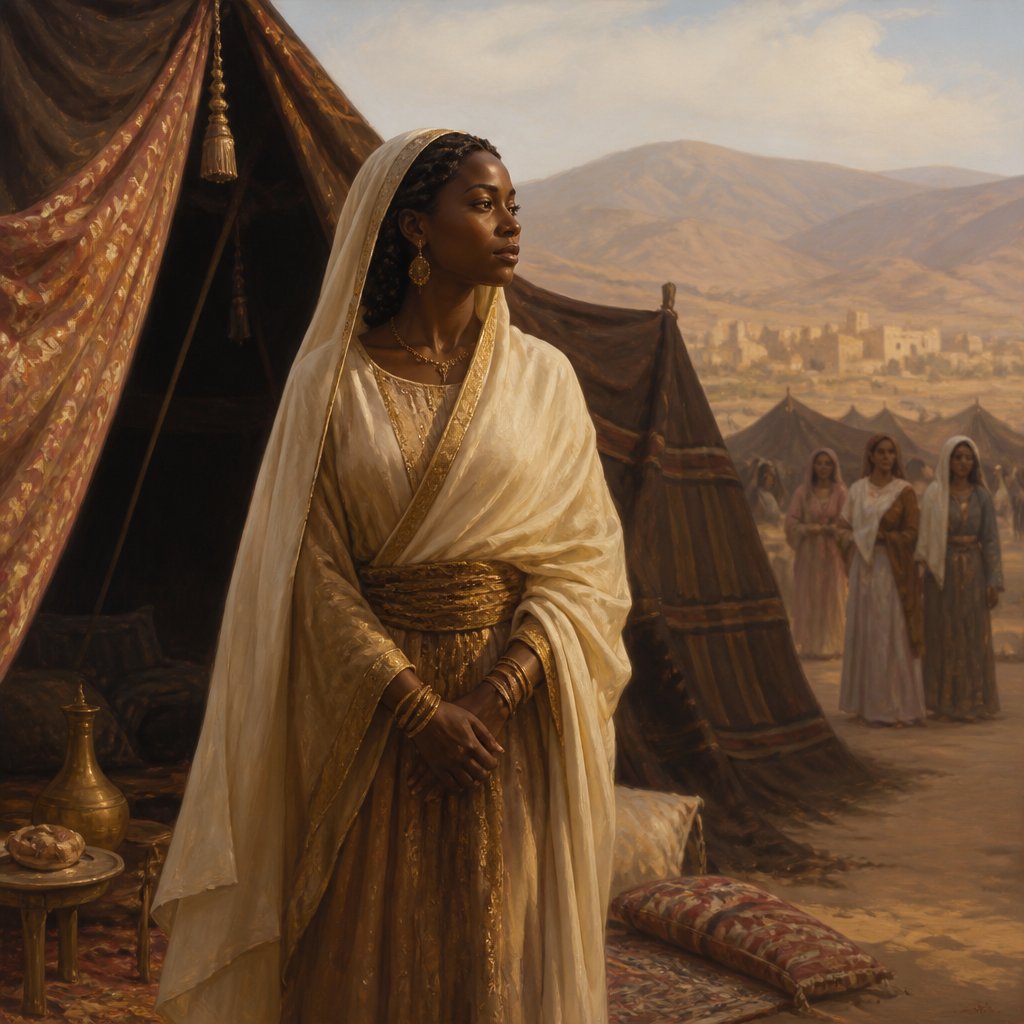
Song of Solomon 1:5 (KJV) says: "I am black, but comely, O ye daughters of Jerusalem, as the tents of Kedar, as the curtains of Solomon."
The Song of Solomon, also known as the Song of Songs, is a book of the Bible that has been a source of much interpretation and discussion throughout the history of Christianity and Judaism. It is a love poem that depicts the intimacy and longing between two lovers, often interpreted as a metaphor for the love between God and his people, or between Christ and the church. In this verse, the speaker, traditionally interpreted as a woman, describes herself as black but beautiful to the daughters of Jerusalem, likening her dark skin to the tents of Kedar and the curtains of Solomon.
The most obvious and straightforward interpretation of this verse is that the speaker is simply stating a fact about her appearance, acknowledging her own beauty despite the color of her skin. In a time and culture where fair skin was often considered the ideal, the speaker's declaration serves as a reminder that beauty comes in all shades and colors. This interpretation is supported by the use of the word "comely," which means attractive or beautiful, indicating that the speaker is confident and proud of her appearance.
Another layer of meaning in this verse can be found in its symbolism. The comparison of the speaker's skin to the tents of Kedar and the curtains of Solomon carries deeper significance. Kedar was a son of Ishmael, and his descendants were known for their dark skin. By referencing the tents of Kedar, the speaker places herself within the lineage of a people who were often marginalized and overlooked by mainstream society. This could be interpreted as a statement of pride in her heritage and a rejection of the societal standards of beauty that favor lighter skin.
Likewise, the mention of the curtains of Solomon alludes to the opulence and grandeur of the king's court. By juxtaposing the humble tents of Kedar with the lavish curtains of Solomon, the speaker may be drawing attention to the stark contrast between her own simplicity and the affluence of the royal court. This could be interpreted as a reminder that true beauty lies not in material wealth or external appearances, but in the inner qualities and character of a person.
In a broader context, this verse can also be seen as a reflection of the universal human experience of struggling with self-acceptance and identity. The speaker's declaration of her own beauty in the face of societal standards serves as a powerful statement of self-love and empowerment. It encourages readers to embrace their own uniqueness and celebrates diversity in all its forms.
From a theological perspective, this verse can be seen as a reflection of God's love and acceptance of all his children, regardless of their outward appearances. It serves as a reminder that God looks beyond external qualities and values the inner beauty and character of each person.
In conclusion, Song of Solomon 1:5 is a verse rich in symbolism and meaning. It encompasses themes of self-acceptance, identity, pride in one's heritage, and the universal nature of God's love. It challenges societal beauty standards and celebrates the beauty found in diversity. This verse is a powerful reminder that true beauty comes from within and that God's love knows no bounds.
Have questions about Song of Solomon 1:5?
Dive deeper into this scripture with Bible Chat — an AI-powered tool for exploring God's Word through conversation. Ask questions, get context, and grow in your understanding of the Bible.
Get Our Apps


Song of Solomon 1:5 Artwork

Song of Solomon 1:5 - "I am black, but comely, O ye daughters of Jerusalem, as the tents of Kedar, as the curtains of Solomon."
"I am black, but comely, O ye daughters of Jerusalem, as the tents of Kedar, as the curtains of Solomon." - Song of Solomon 1:5

Songs of Solomon 1:2

Song of Solomon 1:4

Song of Solomon 5:11

Song of Solomon 1:4

Song of Solomon 1:1 - "The song of songs, which is Solomon's."
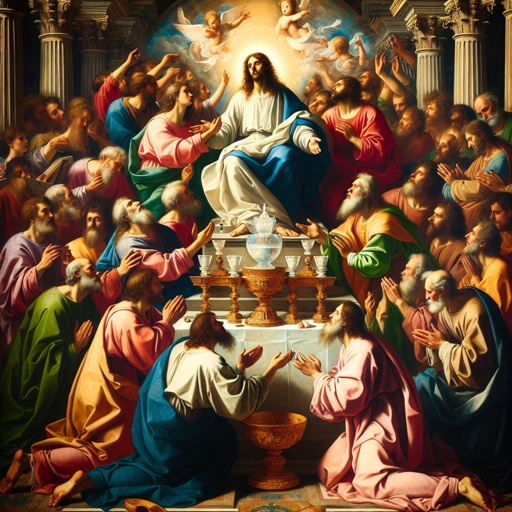
1 Songs of Solomon 1:1
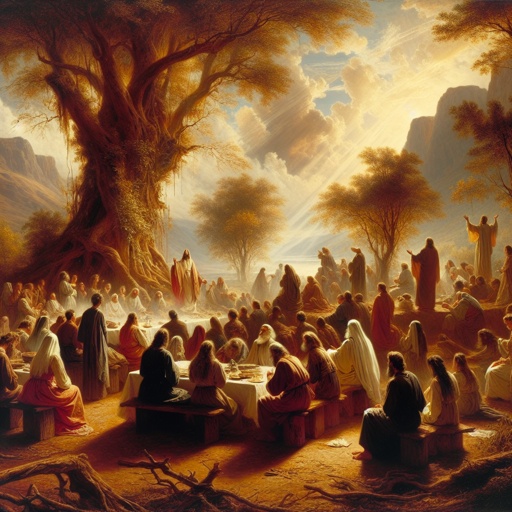
1 songs of Solomon 1:2
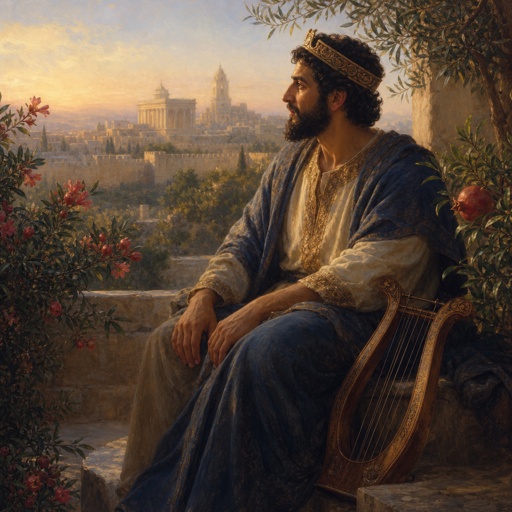
"The song of songs, which is Solomon's." - Song of Solomon 1:1

Song of Solomon 1:12 - "¶ While the king sitteth at his table, my spikenard sendeth forth the smell thereof."

Song of Solomon 1:11 - "We will make thee borders of gold with studs of silver."

Song of Solomon 1:15 - "Behold, thou art fair, my love; behold, thou art fair; thou hast doves' eyes."

Song of Solomon 1:9 - "I have compared thee, O my love, to a company of horses in Pharaoh's chariots."

Song of Solomon 1:17 - "The beams of our house are cedar, and our rafters of fir."

Song of Solomon 1:14 - "My beloved is unto me as a cluster of camphire in the vineyards of En-gedi."

Song of Solomon 1:16 - "Behold, thou art fair, my beloved, yea, pleasant: also our bed is green."

Song of Solomon 1:13 - "A bundle of myrrh is my wellbeloved unto me; he shall lie all night betwixt my breasts."

Song of Solomon 1:10 - "Thy cheeks are comely with rows of jewels, thy neck with chains of gold."

Song of Solomon 2:15

Song of Solomon 2:3

Song of Solomon 2:15

Song of Solomon 5:10 - "My beloved is white and ruddy, the chiefest among ten thousand."

"The beams of our house are cedar, and our rafters of fir." - Song of Solomon 1:17

Song of Solomon 1:2 - "Let him kiss me with the kisses of his mouth: for thy love is better than wine."

Song of Solomon 1:3 - "Because of the savour of thy good ointments thy name is as ointment poured forth, therefore do the virgins love thee."

Song of Solomon 5:12 - "His eyes are as the eyes of doves by the rivers of waters, washed with milk, and fitly set."

Song of Solomon 2:5 - "Stay me with flagons, comfort me with apples: for I am sick of love."

Song of Solomon 5:11 - "His head is as the most fine gold, his locks are bushy, and black as a raven."
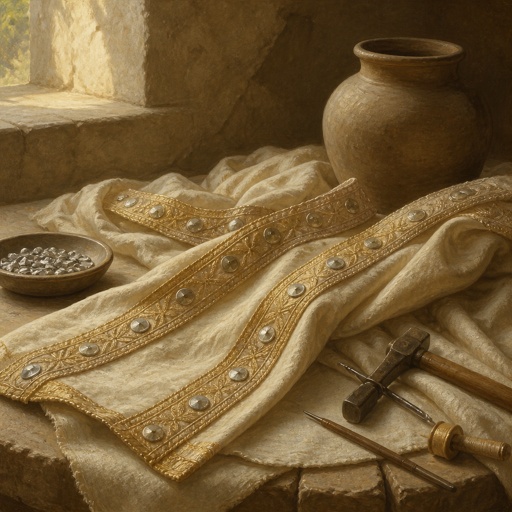
"We will make thee borders of gold with studs of silver." - Song of Solomon 1:11