What does Song of Solomon 1:15 mean?
"Behold, thou art fair, my love; behold, thou art fair; thou hast doves' eyes." - Song of Solomon 1:15
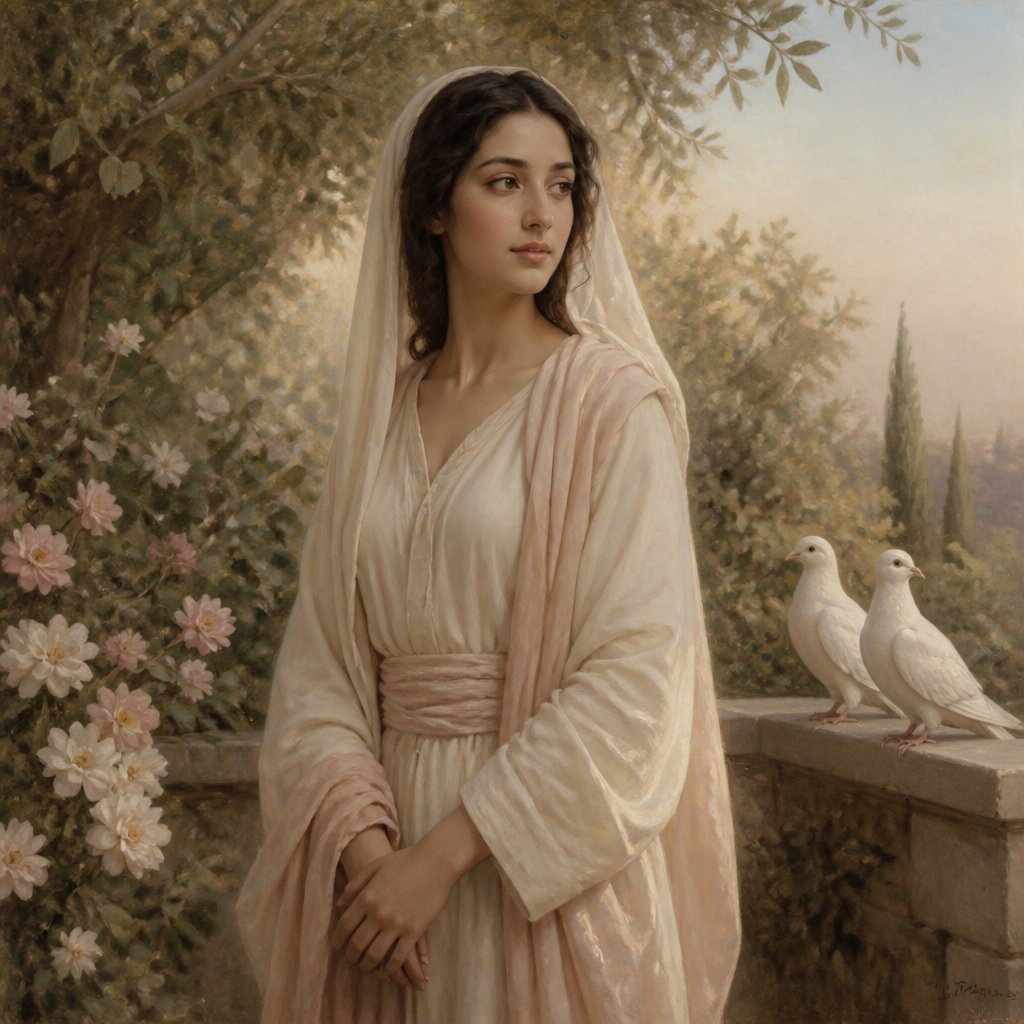
Song of Solomon 1:15 (KJV) states, "Behold, thou art fair, my love; behold, thou art fair; thou hast doves' eyes."
The Song of Solomon, also known as the Song of Songs, is a book of the Bible that is unique in that it is essentially a love poem or song. It is typically attributed to King Solomon, known for his wisdom and great love for women. The book is filled with vivid imagery and passionate language, which has made it a subject of much debate and interpretation over the centuries.
In this particular verse, the speaker, traditionally understood to be Solomon himself, is addressing his beloved. The repetition of the phrase "behold, thou art fair" emphasizes the speaker's admiration and awe at the beauty of his beloved. The mention of "doves' eyes" further highlights the beauty and purity of the beloved's eyes.
The use of the word "behold" invites the reader to take notice and pay attention to the beloved's beauty, suggesting that it is something to be admired and cherished. The imagery of "doves' eyes" is often interpreted as a symbol of innocence, gentleness, and sincerity. Doves are commonly associated with peace and purity in the Bible, and their eyes are known for their soft, gentle gaze.
In a broader context, the Song of Solomon is often interpreted as an allegory for the love between God and his people, as well as the love between a man and a woman. This verse, in particular, can be seen as a representation of God's love and admiration for his people. The language used to describe the beloved's beauty reflects the depth and intensity of God's love and affection for humanity.
The imagery of doves' eyes can also be understood in a symbolic sense. In the Bible, eyes are often used to symbolize perception, understanding, and insight. The mention of doves' eyes may suggest that the beloved has a deep and pure understanding of love and a gentle, compassionate nature.
In a more literal interpretation, this verse can be seen as a celebration of human love and the beauty of the beloved. The repetition of the phrase "thou art fair" emphasizes the speaker's overwhelming sense of admiration and attraction to the beloved. The imagery of doves' eyes further enhances the description of the beloved's beauty and purity.
Overall, Song of Solomon 1:15 is a beautiful and poetic expression of love and admiration. Whether interpreted as a representation of divine love, human love, or a combination of both, the verse conveys a sense of wonder and reverence for the beloved's beauty. The use of vivid imagery and passionate language in the Song of Solomon serves to emphasize the depth and intensity of love and the beauty of human relationships.
Have questions about Song of Solomon 1:15?
Dive deeper into this scripture with Bible Chat — an AI-powered tool for exploring God's Word through conversation. Ask questions, get context, and grow in your understanding of the Bible.
Get Our Apps


Song of Solomon 1:15 Artwork

Song of Solomon 1:15 - "Behold, thou art fair, my love; behold, thou art fair; thou hast doves' eyes."
"Behold, thou art fair, my love; behold, thou art fair; thou hast doves' eyes." - Song of Solomon 1:15

Song of Solomon 1:5 - "I am black, but comely, O ye daughters of Jerusalem, as the tents of Kedar, as the curtains of Solomon."

Song of Solomon 2:15

Song of Solomon 2:15

Songs of Solomon 1:2

Song of Solomon 1:4
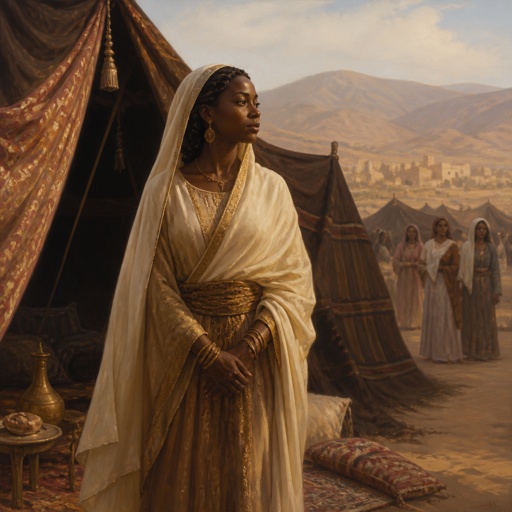
"I am black, but comely, O ye daughters of Jerusalem, as the tents of Kedar, as the curtains of Solomon." - Song of Solomon 1:5

Song of Solomon 1:4

Song of Solomon 1:1 - "The song of songs, which is Solomon's."
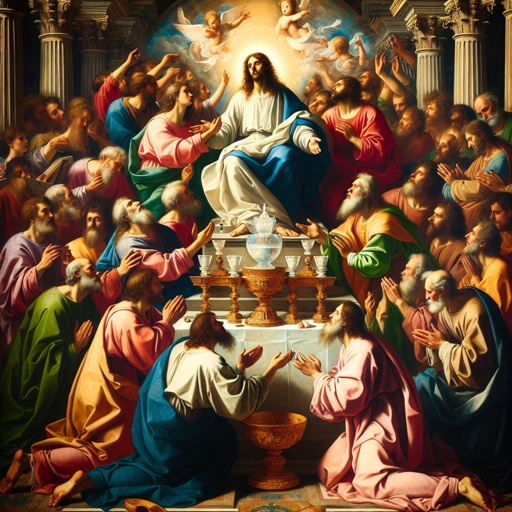
1 Songs of Solomon 1:1
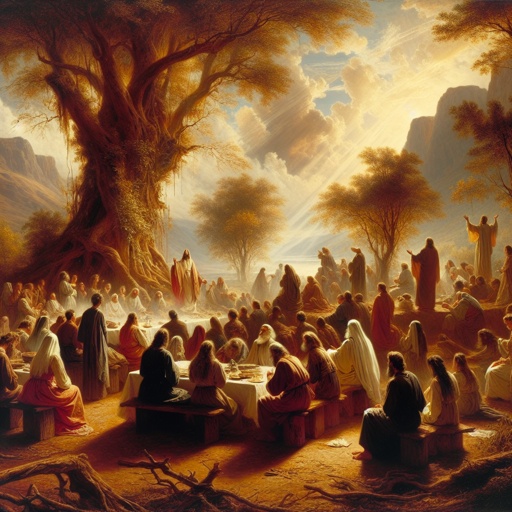
1 songs of Solomon 1:2
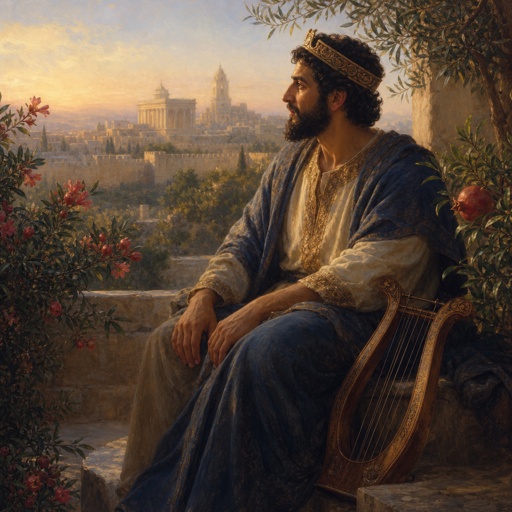
"The song of songs, which is Solomon's." - Song of Solomon 1:1

Song of Solomon 1:12 - "¶ While the king sitteth at his table, my spikenard sendeth forth the smell thereof."

Song of Solomon 1:11 - "We will make thee borders of gold with studs of silver."

Song of Solomon 1:9 - "I have compared thee, O my love, to a company of horses in Pharaoh's chariots."

Song of Solomon 1:17 - "The beams of our house are cedar, and our rafters of fir."

Song of Solomon 1:14 - "My beloved is unto me as a cluster of camphire in the vineyards of En-gedi."

Song of Solomon 4:15 - "A fountain of gardens, a well of living waters, and streams from Lebanon."

Song of Solomon 1:16 - "Behold, thou art fair, my beloved, yea, pleasant: also our bed is green."

Song of Solomon 1:13 - "A bundle of myrrh is my wellbeloved unto me; he shall lie all night betwixt my breasts."

Song of Solomon 1:10 - "Thy cheeks are comely with rows of jewels, thy neck with chains of gold."

Song of Solomon 5:11

Song of Solomon 2:3

"The beams of our house are cedar, and our rafters of fir." - Song of Solomon 1:17

Song of Solomon 1:2 - "Let him kiss me with the kisses of his mouth: for thy love is better than wine."

Song of Solomon 1:3 - "Because of the savour of thy good ointments thy name is as ointment poured forth, therefore do the virgins love thee."

Song of Solomon 2:15 - "Take us the foxes, the little foxes, that spoil the vines: for our vines have tender grapes."
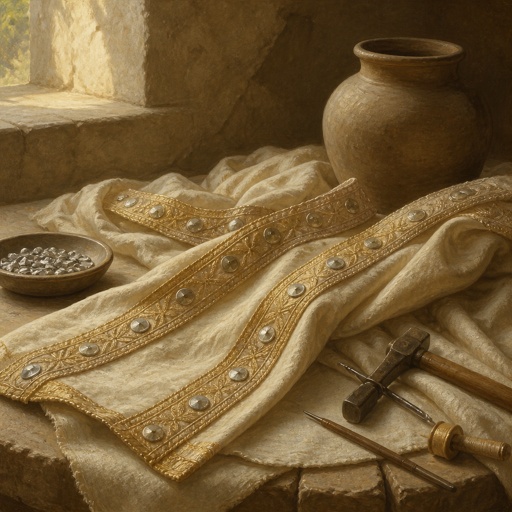
"We will make thee borders of gold with studs of silver." - Song of Solomon 1:11
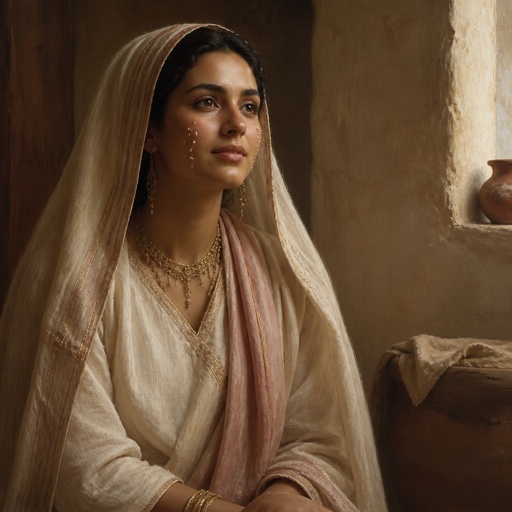
"Thy cheeks are comely with rows of jewels, thy neck with chains of gold." - Song of Solomon 1:10