What does Ruth 4:7 mean?
"Now this was the manner in former time in Israel concerning redeeming and concerning changing, for to confirm all things; a man plucked off his shoe, and gave it to his neighbour: and this was a testimony in Israel." - Ruth 4:7
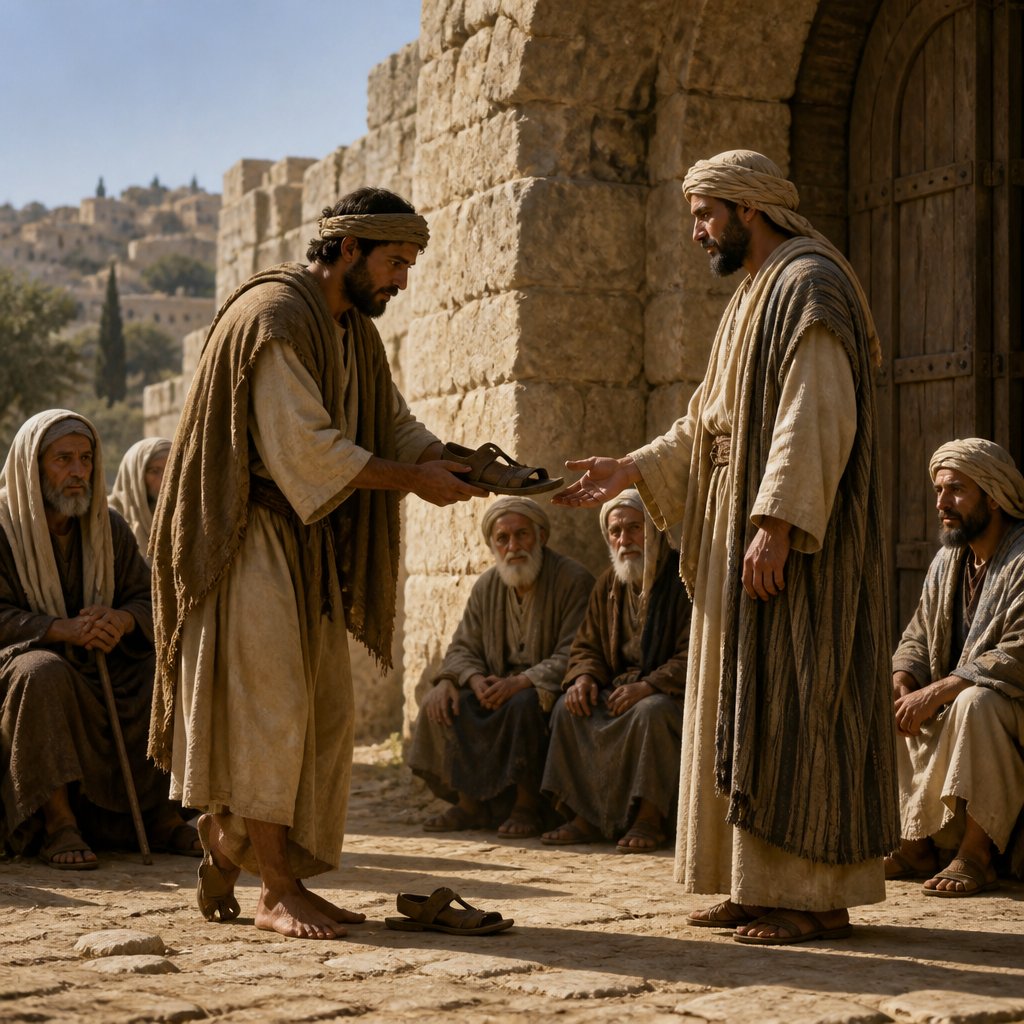
Sure, here is a detailed and in-depth meaning and commentary for the Bible verse Ruth 4:7 from the King James Version.
Ruth 4:7 (KJV) reads: "Now this was the manner in former time in Israel concerning redeeming and concerning changing, for to confirm all things; a man plucked off his shoe, and gave it to his neighbour: and this was a testimony in Israel."
In order to understand the full meaning of this verse, it is important to look at the context in which it is found. The book of Ruth tells the story of a Moabite woman named Ruth who migrates to Israel with her mother-in-law Naomi after the death of her husband. Ruth finds favor with a wealthy landowner named Boaz, and eventually, they are married. Ruth 4:7 takes place during a significant event in the book, where Boaz seeks to redeem a piece of land that belonged to Naomi's deceased husband, Elimelech, and to take Ruth as his wife.
The verse begins by noting that the custom being carried out at that time among the Israelites was for a man to officially transfer his right to redeem property by taking off his sandal and giving it to the other party. This action symbolized the transfer of authority and ownership. In this particular case, it is Boaz who is seeking to redeem the property, and the related custom is the exchange of the sandal.
The act of taking off a sandal and giving it to another person to confirm an agreement may seem unusual to modern readers, but it carries significant cultural and symbolic meaning within the ancient Israelite context. The act of removing one's sandal had legal and symbolic significance. Taking off a sandal symbolized giving up a right or claim to something, and in this case, it was a way of legally confirming the transfer of the property.
The act also served as a public testimony and confirmation of the agreement that was being made. By performing this public act, the parties involved were ensuring that the transaction was legally binding and witnessed by others. This underscores the importance of public witness and accountability in the Israelite legal and social system.
One of the key themes in this verse is the concept of redemption. In the biblical context, redemption refers to the act of buying back or reclaiming something that was lost or forfeited. The redemption of the property and marriage of Ruth also carries symbolic significance in the larger biblical narrative. It foreshadows the redemptive work of God in the lives of His people, ultimately fulfilled through the person of Jesus Christ.
Furthermore, the verse underscores the importance of upholding legal and social customs within the community of Israel. The custom of taking off a sandal and giving it to another person was a well-established practice that served as a testimony and confirmation of agreements. It reflects the significance of maintaining order and justice in society.
In addition to its legal and cultural significance, the act of taking off a sandal and giving it to another person also serves as a symbol of humility and sacrifice. By relinquishing his sandal, the individual was acknowledging the authority and rights of the other party while also signaling his willingness to honor the agreement.
In conclusion, Ruth 4:7 encapsulates a significant moment in the book of Ruth, shedding light on the legal, cultural, and symbolic customs of ancient Israel. The verse underscores the themes of redemption, legal and social customs, as well as the symbolic significance of the act of taking off a sandal. It serves as a testimony to the importance of maintaining justice and upholding agreements within the community, while also foreshadowing the redemptive work of God in the biblical narrative. This verse not only provides insight into the ancient Israelite culture but also carries enduring spiritual and moral lessons for readers today.
Have questions about Ruth 4:7?
Dive deeper into this scripture with Bible Chat — an AI-powered tool for exploring God's Word through conversation. Ask questions, get context, and grow in your understanding of the Bible.
Get Our Apps


Ruth 4:7 Artwork

Ruth 4:7 - "Now this was the manner in former time in Israel concerning redeeming and concerning changing, for to confirm all things; a man plucked off his shoe, and gave it to his neighbour: and this was a testimony in Israel."
"Now this was the manner in former time in Israel concerning redeeming and concerning changing, for to confirm all things; a man plucked off his shoe, and gave it to his neighbour: and this was a testimony in Israel." - Ruth 4:7

Ruth 1:4 - "And they took them wives of the women of Moab; the name of the one was Orpah, and the name of the other Ruth: and they dwelled there about ten years."

Ruth 4:13 - "¶ So Boaz took Ruth, and she was his wife: and when he went in unto her, the LORD gave her conception, and she bare a son."

Ruth 4:18 - "¶ Now these are the generations of Pharez: Pharez begat Hezron,"

Ruth 4:20 - "And Amminadab begat Nahshon, and Nahshon begat Salmon,"

Ruth 4:21 - "And Salmon begat Boaz, and Boaz begat Obed,"

Ruth 4:19 - "And Hezron begat Ram, and Ram begat Amminadab,"

Ruth 4:22 - "And Obed begat Jesse, and Jesse begat David."

Ruth 4:5 - "Then said Boaz, What day thou buyest the field of the hand of Naomi, thou must buy it also of Ruth the Moabitess, the wife of the dead, to raise up the name of the dead upon his inheritance."

Ruth 4:16 - "And Naomi took the child, and laid it in her bosom, and became nurse unto it."

Ruth 4:10 - "Moreover Ruth the Moabitess, the wife of Mahlon, have I purchased to be my wife, to raise up the name of the dead upon his inheritance, that the name of the dead be not cut off from among his brethren, and from the gate of his place: ye are witnesses this day."
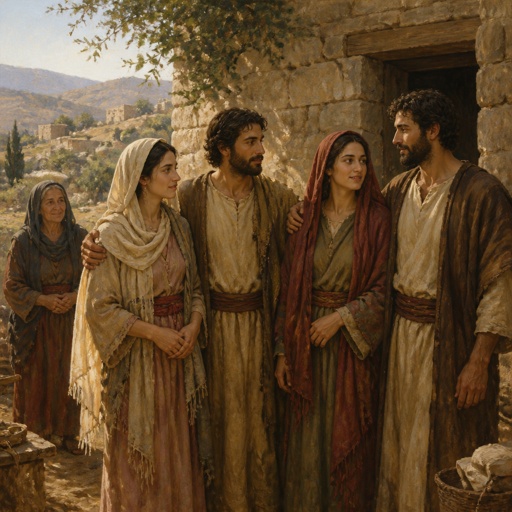
"And they took them wives of the women of Moab; the name of the one was Orpah, and the name of the other Ruth: and they dwelled there about ten years." - Ruth 1:4

Ruth 4:8 - "Therefore the kinsman said unto Boaz, Buy it for thee. So he drew off his shoe."

Ruth 4:2 - "And he took ten men of the elders of the city, and said, Sit ye down here. And they sat down."
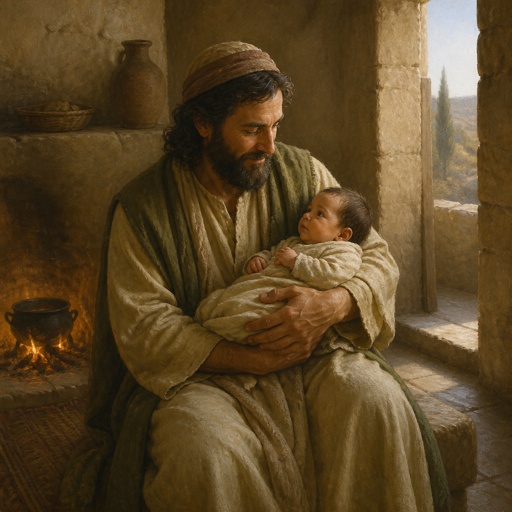
"¶ Now these are the generations of Pharez: Pharez begat Hezron," - Ruth 4:18
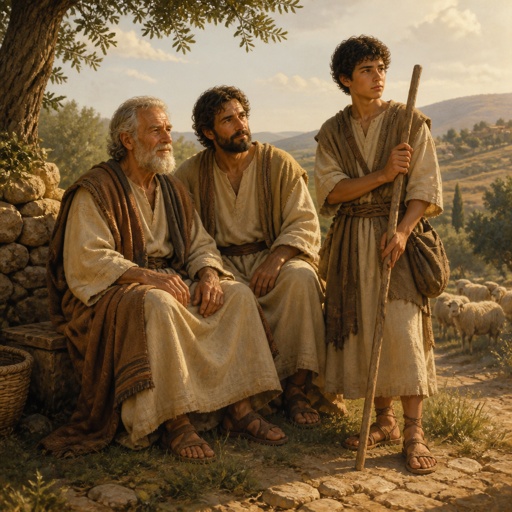
"And Obed begat Jesse, and Jesse begat David." - Ruth 4:22
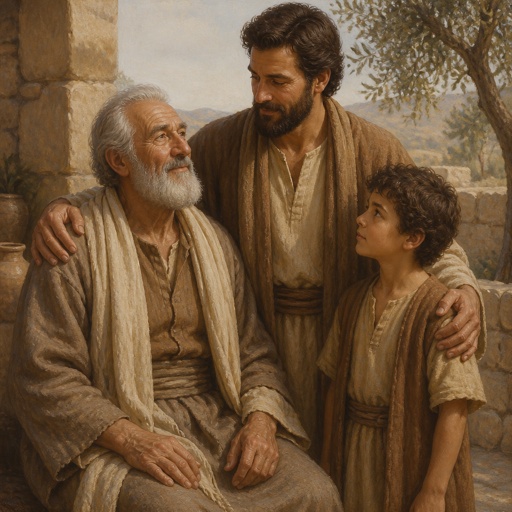
"And Hezron begat Ram, and Ram begat Amminadab," - Ruth 4:19
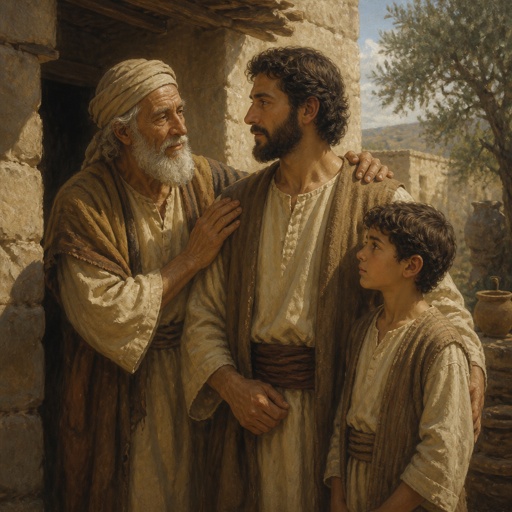
"And Amminadab begat Nahshon, and Nahshon begat Salmon," - Ruth 4:20
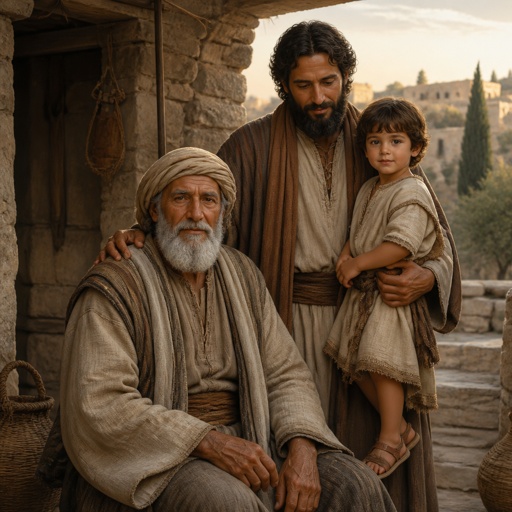
"And Salmon begat Boaz, and Boaz begat Obed," - Ruth 4:21

Ruth 2:4 - "¶ And, behold, Boaz came from Beth-lehem, and said unto the reapers, The LORD be with you. And they answered him, The LORD bless thee."

Ruth 4:3 - "And he said unto the kinsman, Naomi, that is come again out of the country of Moab, selleth a parcel of land, which was our brother Elimelech's:"

Ruth 1:7 - "Wherefore she went forth out of the place where she was, and her two daughters in law with her; and they went on the way to return unto the land of Judah."
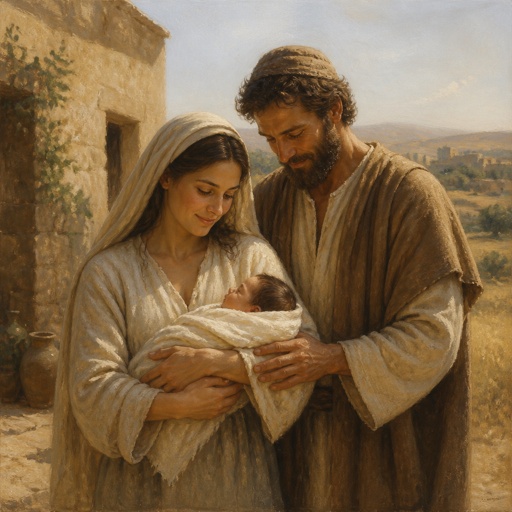
"¶ So Boaz took Ruth, and she was his wife: and when he went in unto her, the LORD gave her conception, and she bare a son." - Ruth 4:13

Ruth 4:14 - "And the women said unto Naomi, Blessed be the LORD, which hath not left thee this day without a kinsman, that his name may be famous in Israel."

Ruth 4:17 - "And the women her neighbours gave it a name, saying, There is a son born to Naomi; and they called his name Obed: he is the father of Jesse, the father of David."

Ruth 4:4 - "And I thought to advertise thee, saying, Buy it before the inhabitants, and before the elders of my people. If thou wilt redeem it, redeem it: but if thou wilt not redeem it, then tell me, that I may know: for there is none to redeem it beside thee; and I am after thee. And he said, I will redeem it."

Ruth 4:12 - "And let thy house be like the house of Pharez, whom Tamar bare unto Judah, of the seed which the LORD shall give thee of this young woman."
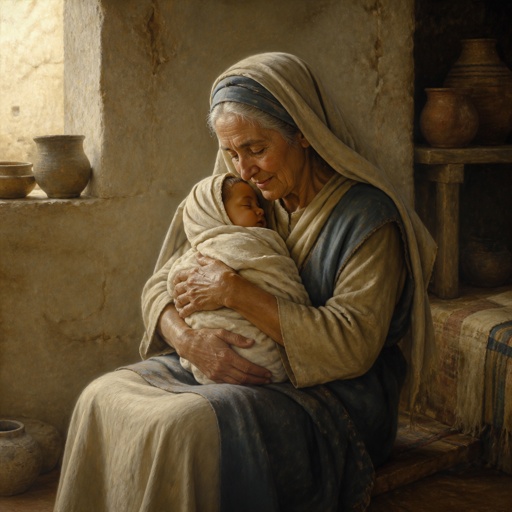
"And Naomi took the child, and laid it in her bosom, and became nurse unto it." - Ruth 4:16

Ruth 4:6 - "¶ And the kinsman said, I cannot redeem it for myself, lest I mar mine own inheritance: redeem thou my right to thyself; for I cannot redeem it."