What does Ruth 1:17 mean?
"Where thou diest, will I die, and there will I be buried: the LORD do so to me, and more also, if ought but death part thee and me." - Ruth 1:17
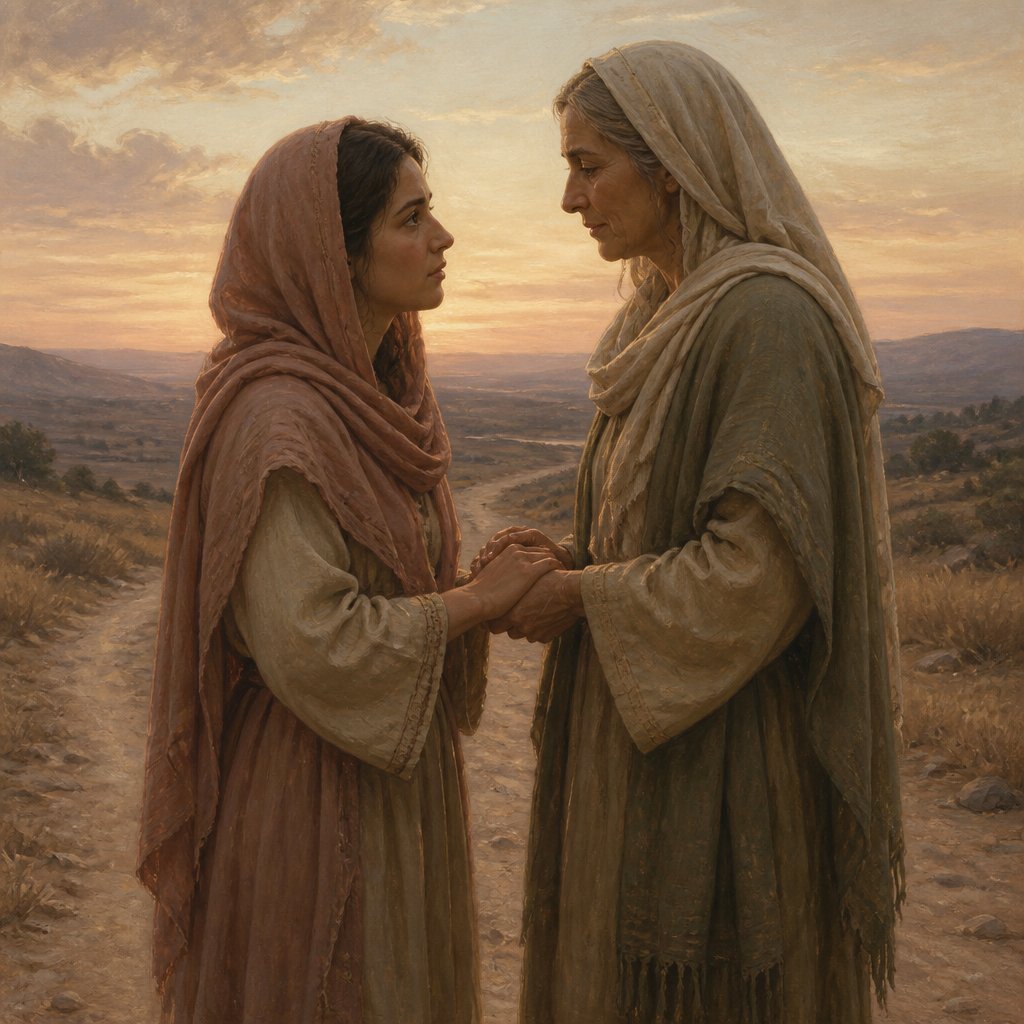
The verse Ruth 1:17 from the King James Version of the Bible reads, "Where thou diest, will I die, and there will I be buried: the LORD do so to me, and more also, if ought but death part thee and me." This verse is spoken by Ruth, a Moabite woman, to her mother-in-law, Naomi. It is a declaration of her unwavering commitment and loyalty to Naomi, and it has been hailed as one of the most powerful expressions of love and devotion in the Bible.
In order to fully understand the significance of this verse, it is important to delve into the context in which it is spoken. The book of Ruth is set during the time of the Judges in Israel, a period of turmoil and instability. It tells the story of Ruth, a Moabite woman, who after the death of her husband, chooses to remain with her mother-in-law, Naomi, rather than returning to her own people. This act of loyalty and selflessness becomes the central theme of the book.
The verse is spoken in response to Naomi's attempts to persuade Ruth to return to her own people and find a new husband. Naomi is facing immense hardship and loss, having lost both her husband and her two sons. She feels abandoned and bitter, and she encourages her daughters-in-law to leave her and find happiness elsewhere. However, Ruth refuses to leave her side, proclaiming her commitment to stay with Naomi until death.
The depth of Ruth's devotion is highlighted in her words, "Where thou diest, will I die, and there will I be buried." This statement reflects the ancient Near Eastern custom of being buried with one's own people, as well as the belief that burial among one's own kin was essential for the afterlife. By expressing her willingness to be buried alongside Naomi, Ruth is forsaking her own familial ties and placing Naomi at the center of her life. This act of selflessness and sacrifice is a powerful testament to the strength of their bond.
Ruth goes on to make a solemn oath, invoking the name of the LORD to seal her commitment. She says, "the LORD do so to me, and more also, if ought but death part thee and me." This oath emphasizes the seriousness of Ruth's pledge and her recognition of the divine witness to her promise. It also underscores the enduring nature of her love for Naomi, as she vows that nothing but death will separate them.
This verse is often cited as an example of covenantal love, a love that is based on loyalty, commitment, and selflessness. Ruth's unwavering devotion to Naomi serves as a model of the kind of love that is characterized by sacrifice and faithfulness. It also highlights the redemptive power of love, as Ruth's love for Naomi brings hope and healing to a time of despair and desolation.
The verse also carries a profound spiritual significance. Ruth's commitment to Naomi reflects the kind of loyalty and devotion that is desired in a relationship with God. It serves as a reminder of the importance of prioritizing God and his people above all else. It also foreshadows the ultimate act of loyalty and sacrifice demonstrated by Jesus Christ, who laid down his life for his friends and followers.
In conclusion, Ruth 1:17 is a verse that encapsulates the themes of love, loyalty, and commitment. It is a powerful declaration of Ruth's unwavering devotion to her mother-in-law, Naomi, and it serves as a timeless example of the type of love that transcends challenges and adversity. This verse continues to inspire and challenge believers to embody the kind of sacrificial love that Ruth demonstrated, and it speaks to the enduring power of love in the face of hardship and despair.
Have questions about Ruth 1:17?
Dive deeper into this scripture with Bible Chat — an AI-powered tool for exploring God's Word through conversation. Ask questions, get context, and grow in your understanding of the Bible.
Get Our Apps


Ruth 1:17 Artwork

Ruth 1:17 - "Where thou diest, will I die, and there will I be buried: the LORD do so to me, and more also, if ought but death part thee and me."
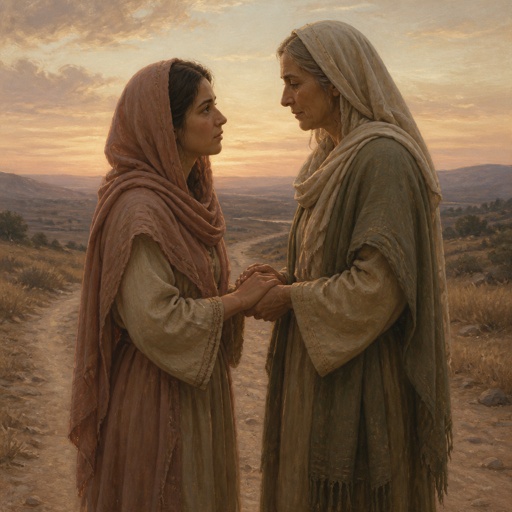
"Where thou diest, will I die, and there will I be buried: the LORD do so to me, and more also, if ought but death part thee and me." - Ruth 1:17

Ruth 1:16-17 - "But Ruth replied, "Don't urge me to leave you or to turn back from you. Where you go I will go, and where you stay I will stay. Your people will be my people and your God my God. Where you die I will die, and there I will be buried. May the LORD deal with me, be it ever so severely, if even death separates you and me.""

Ruth 1:14 - "And they lifted up their voice, and wept again: and Orpah kissed her mother in law; but Ruth clave unto her."

Ruth 1:4 - "And they took them wives of the women of Moab; the name of the one was Orpah, and the name of the other Ruth: and they dwelled there about ten years."

ruth, the loyal daughter

Ruth 2:17 - "So she gleaned in the field until even, and beat out that she had gleaned: and it was about an ephah of barley."

Ruth 1:22 - "So Naomi returned, and Ruth the Moabitess, her daughter in law, with her, which returned out of the country of Moab: and they came to Beth-lehem in the beginning of barley harvest."

Ruth 3:17 - "And she said, These six measures of barley gave he me; for he said to me, Go not empty unto thy mother in law."

Ruth 4:17 - "And the women her neighbours gave it a name, saying, There is a son born to Naomi; and they called his name Obed: he is the father of Jesse, the father of David."

Ruth 1:7 - "Wherefore she went forth out of the place where she was, and her two daughters in law with her; and they went on the way to return unto the land of Judah."

Ruth 1:3 - "And Elimelech Naomi's husband died; and she was left, and her two sons."

Ruth 1:16 - "And Ruth said, Intreat me not to leave thee, or to return from following after thee: for whither thou goest, I will go; and where thou lodgest, I will lodge: thy people shall be my people, and thy God my God:"

Ruth 3:1 - "Then Naomi her mother in law said unto her, My daughter, shall I not seek rest for thee, that it may be well with thee?"
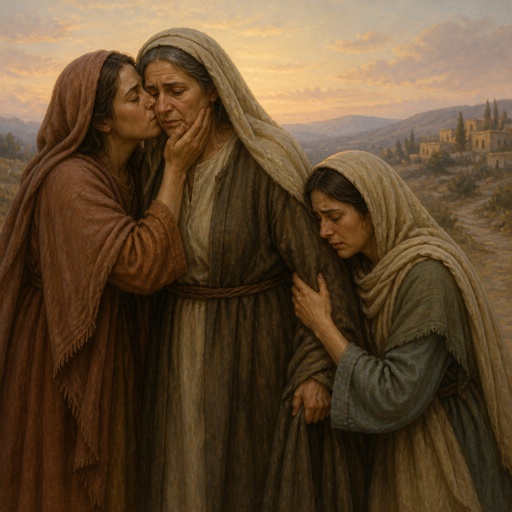
"And they lifted up their voice, and wept again: and Orpah kissed her mother in law; but Ruth clave unto her." - Ruth 1:14

Ruth 1:10 - "And they said unto her, Surely we will return with thee unto thy people."

Matthew 1:5 - "And Salmon begat Booz of Rachab; and Booz begat Obed of Ruth; and Obed begat Jesse;"
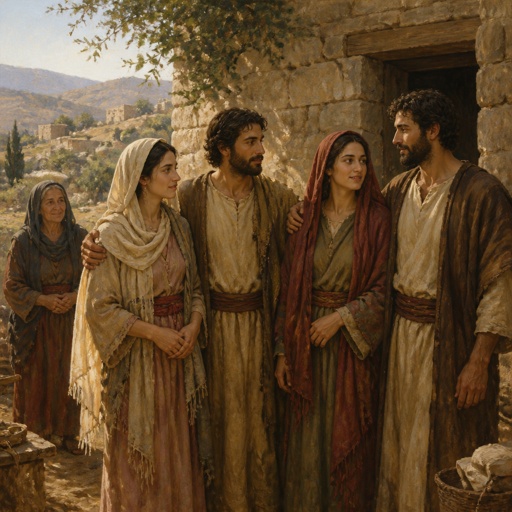
"And they took them wives of the women of Moab; the name of the one was Orpah, and the name of the other Ruth: and they dwelled there about ten years." - Ruth 1:4

Ruth 1:18 - "When she saw that she was stedfastly minded to go with her, then she left speaking unto her."

Ruth 1:5 - "And Mahlon and Chilion died also both of them; and the woman was left of her two sons and her husband."

Ruth 2:1 - "And Naomi had a kinsman of her husband's, a mighty man of wealth, of the family of Elimelech; and his name was Boaz."
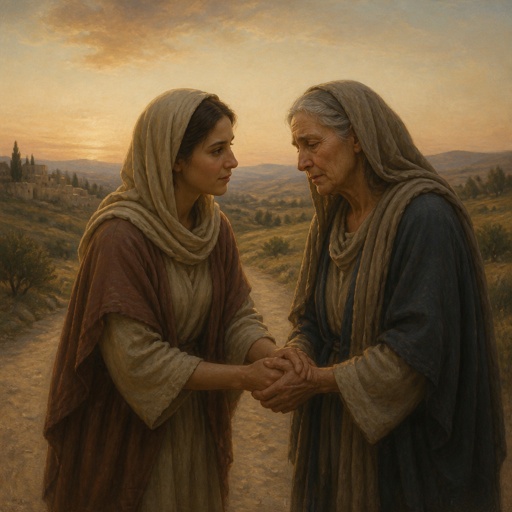
"But Ruth replied, "Don't urge me to leave you or to turn back from you. Where you go I will go, and where you stay I will stay. Your people will be my people and your God my God. Where you die I will die, and there I will be buried. May the LORD deal with me, be it ever so severely, if even death separates you and me."" - Ruth 1:16-17
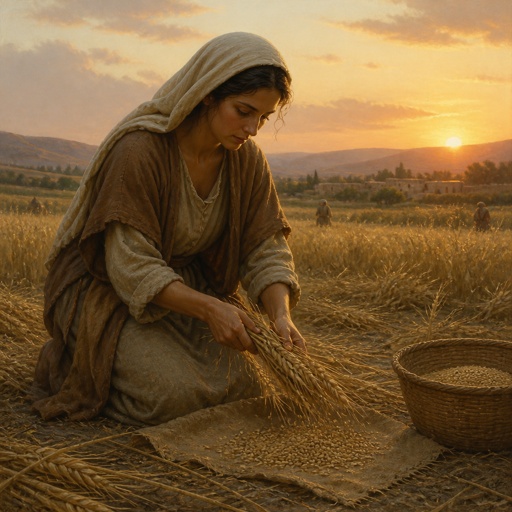
"So she gleaned in the field until even, and beat out that she had gleaned: and it was about an ephah of barley." - Ruth 2:17
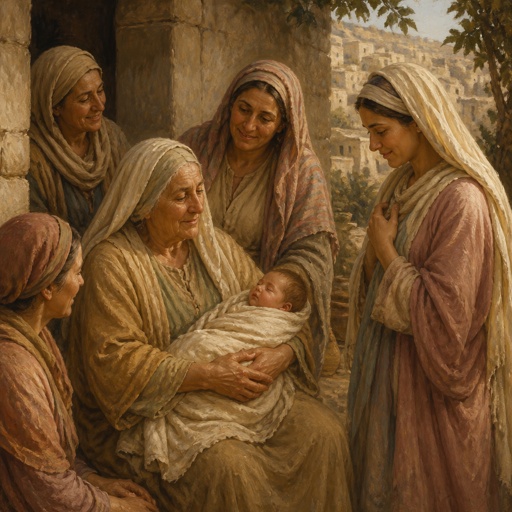
"And the women her neighbours gave it a name, saying, There is a son born to Naomi; and they called his name Obed: he is the father of Jesse, the father of David." - Ruth 4:17

Ruth 1:20 - "And she said unto them, Call me not Naomi, call me Mara: for the Almighty hath dealt very bitterly with me."
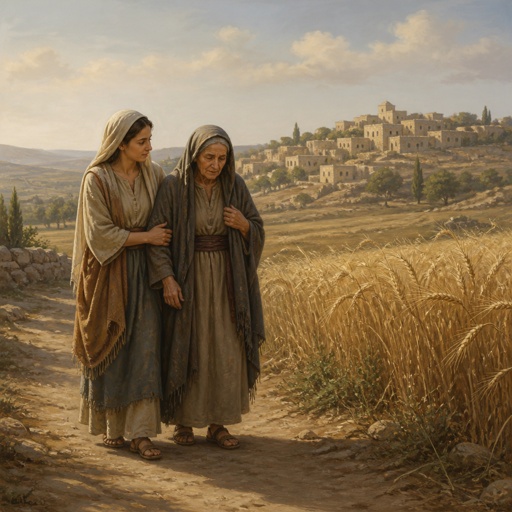
"So Naomi returned, and Ruth the Moabitess, her daughter in law, with her, which returned out of the country of Moab: and they came to Beth-lehem in the beginning of barley harvest." - Ruth 1:22

Ruth 1:1 - "Now it came to pass in the days when the judges ruled, that there was a famine in the land. And a certain man of Beth-lehem-judah went to sojourn in the country of Moab, he, and his wife, and his two sons."

Ruth 1:11 - "And Naomi said, Turn again, my daughters: why will ye go with me? are there yet any more sons in my womb, that they may be your husbands?"

Ruth 1:9 - "The LORD grant you that ye may find rest, each of you in the house of her husband. Then she kissed them; and they lifted up their voice, and wept."

Ruth 1:15 - "And she said, Behold, thy sister in law is gone back unto her people, and unto her gods: return thou after thy sister in law."