What does Romans 9:13 mean?
"As it is written, Jacob have I loved, but Esau have I hated." - Romans 9:13

Romans 9:13 from the King James Version (KJV) of the Bible states, "As it is written, Jacob have I loved, but Esau have I hated." This verse is a direct quote from the book of Malachi in the Old Testament, specifically from Malachi 1:2-3. In this verse, Paul, the author of the book of Romans, is referencing the sovereign and elective love of God towards Jacob and the corresponding rejection of Esau.
The context of this verse is crucial to understanding its meaning. Paul is addressing the issue of God's sovereign election and the role of Israel in God's plan of salvation. In the previous verses, Paul speaks about God's choice of Jacob over Esau before they were born, emphasizing that it was not based on their works but on God's sovereign will. Paul is illustrating the concept of divine election and the blessings that come with it.
The theme of this verse is the sovereignty of God's love and His right to choose whom He will show favor to. The fact that God loved Jacob and hated Esau before they were even born highlights the truth that God's love and grace are not dependent on human effort or merit, but are solely based on His own will. This theme is consistent throughout the Bible, with numerous examples of God choosing specific individuals for His purposes, such as Abraham, Moses, and David.
The symbolism of Jacob and Esau in this verse represents not only the individuals themselves, but also their respective descendants and the nations that came from them. God's love for Jacob represents His favor towards the nation of Israel, while His rejection of Esau represents the unbelief and waywardness of Edom, the nation descended from Esau. This symbolism emphasizes the contrast between God's chosen people and those who have turned away from Him.
The rejection of Esau by God does not mean that He actively hated him as we understand hatred, but rather that He did not choose him for the same blessings and favor that He bestowed upon Jacob. This understanding is important in interpreting the verse correctly, as it is not a reflection of human emotions or actions, but of God's sovereign will and purposes.
This verse also plays a significant role in the broader theological discussion of predestination and the role of human free will in salvation. The concept of God choosing one person over another before they are born raises questions about the nature of God's justice and His treatment of individuals. However, Paul's purpose in referencing this verse is to emphasize the sovereignty of God and His right to choose according to His own purposes, rather than to delve into the complexities of predestination.
In conclusion, Romans 9:13 from the King James Version is a powerful and thought-provoking verse that highlights the sovereignty of God's love and His right to choose whom He will show favor to. The verse emphasizes the contrast between God's chosen people and those who have turned away from Him, as well as the broader theological issues of predestination and free will. Understanding the context, themes, and symbolism of this verse is essential in grasping its profound meaning in the overall message of the Bible.
Have questions about Romans 9:13?
Dive deeper into this scripture with Bible Chat — an AI-powered tool for exploring God's Word through conversation. Ask questions, get context, and grow in your understanding of the Bible.
Get Our Apps


Romans 9:13 Artwork

Romans 9:13 - "As it is written, Jacob have I loved, but Esau have I hated."

"As it is written, Jacob have I loved, but Esau have I hated." - Romans 9:13
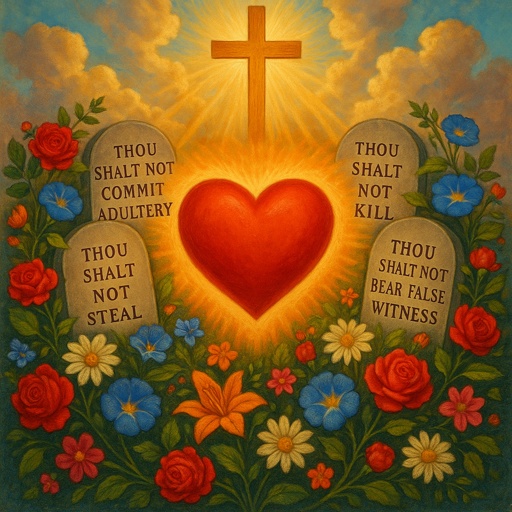
"For this, Thou shalt not commit adultery, Thou shalt not kill, Thou shalt not steal, Thou shalt not bear false witness, Thou shalt not covet; and if there be any other commandment, it is briefly comprehended in this saying, namely, Thou shalt love thy neighbour as thyself." - Romans 13:9

Romans 13:8

Romans 13:8

Romans 10:9

Romans 10:9

Romans 13:9 - "For this, Thou shalt not commit adultery, Thou shalt not kill, Thou shalt not steal, Thou shalt not bear false witness, Thou shalt not covet; and if there be any other commandment, it is briefly comprehended in this saying, namely, Thou shalt love thy neighbour as thyself."

Romans 10:13-15

Romans 9:9 - "For this is the word of promise, At this time will I come, and Sara shall have a son."

Romans 13:13 - "Let us walk honestly, as in the day; not in rioting and drunkenness, not in chambering and wantonness, not in strife and envying."

Romans 12:13 - "Distributing to the necessity of saints; given to hospitality."

Romans 16:13 - "Salute Rufus chosen in the Lord, and his mother and mine."

depict the theme of Romans 13:8-14

Romans 9:12 - "It was said unto her, The elder shall serve the younger."

Romans 10:13 - "For whosoever shall call upon the name of the Lord shall be saved."

Romans 5:13 - "(For until the law sin was in the world: but sin is not imputed when there is no law."

Romans 9:14 - "What shall we say then? Is there unrighteousness with God? God forbid."

Romans 13:10 - "Love worketh no ill to his neighbour: therefore love is the fulfilling of the law."

Romans 2:13 - "(For not the hearers of the law are just before God, but the doers of the law shall be justified."

Romans 16:9 - "Salute Urbane, our helper in Christ, and Stachys my beloved."

Romans 9:2 - "That I have great heaviness and continual sorrow in my heart."

Romans 9:8 - "That is, They which are the children of the flesh, these are not the children of God: but the children of the promise are counted for the seed."

Combine the authority theme described in Romans 13:1-7 and Revelation 13:1-10.

Romans 13:5 - "Wherefore ye must needs be subject, not only for wrath, but also for conscience sake."

Romans 12:9-13 - "Love must be sincere. Hate what is evil; cling to what is good. Be devoted to one another in love. Honor one another above yourselves. Never be lacking in zeal, but keep your spiritual fervor, serving the Lord. Be joyful in hope, patient in affliction, faithful in prayer. Share with the Lord's people who are in need. Practice hospitality."

Romans 9:32 - "Wherefore? Because they sought it not by faith, but as it were by the works of the law. For they stumbled at that stumblingstone;"

Romans 9:16 - "So then it is not of him that willeth, nor of him that runneth, but of God that sheweth mercy."

Romans 3:13 - "Their throat is an open sepulchre; with their tongues they have used deceit; the poison of asps is under their lips:"

Romans 13:14 - "But put ye on the Lord Jesus Christ, and make not provision for the flesh, to fulfil the lusts thereof."