What does Romans 8:24-25 mean?
"For we are saved by hope: but hope that is seen is not hope: for what a man seeth, why doth he yet hope for? But if we hope for that we see not, then do we with patience wait for it." - Romans 8:24-25
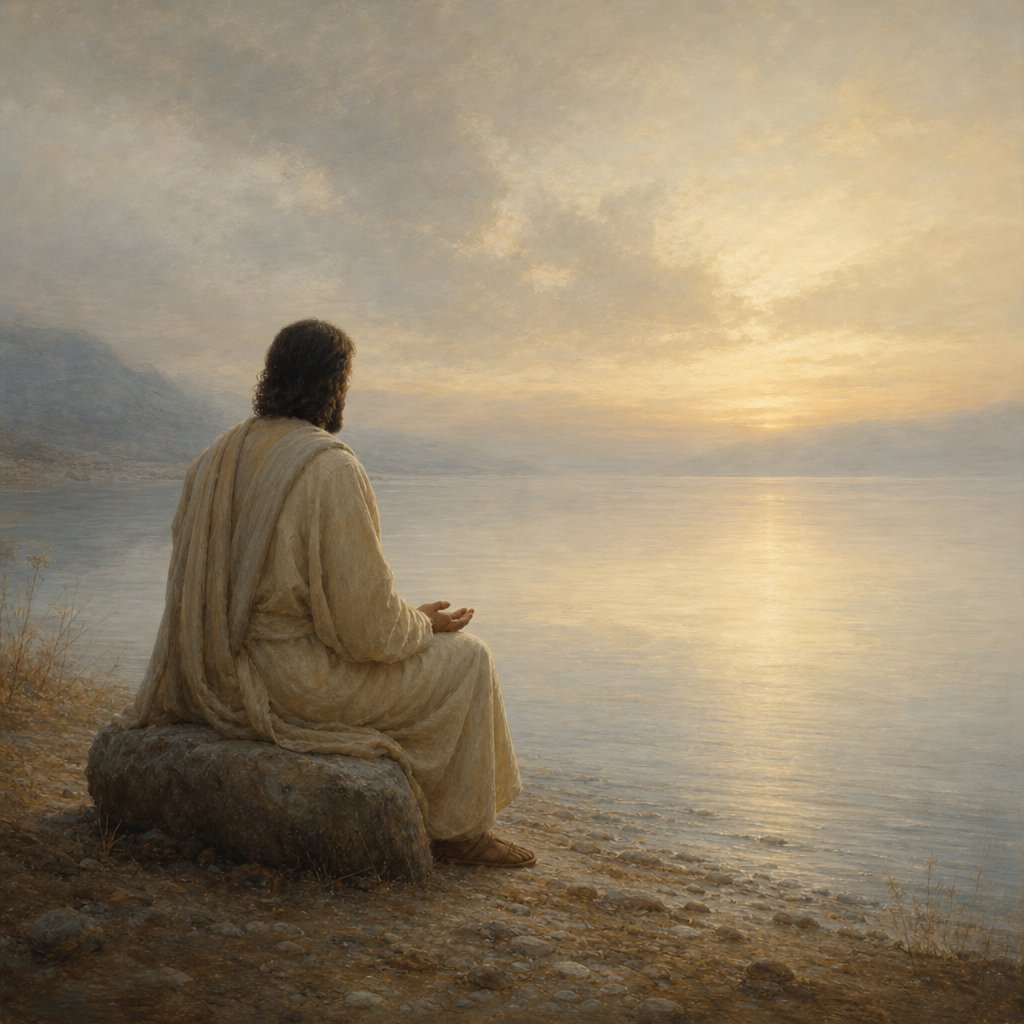
Romans 8:24–25 in the KJV reads, “For we are saved by hope: but hope that is seen is not hope: for what a man seeth, why doth he yet hope for? But if we hope for that we see not, then do we with patience wait for it.”
In these two verses Paul is explaining the shape of the Christian life as something truly begun but not yet fully unveiled. “For we are saved by hope” does not mean salvation is uncertain or merely wishful, as though it hangs on optimism. Rather, it describes the way salvation is presently possessed in promise and begun in reality, while its final fullness is still ahead. In the surrounding context of Romans 8, Paul has already spoken of “the glory which shall be revealed in us” and of creation itself “waiting” and “groaning,” and he has said believers also “groan within ourselves, waiting for the adoption, to wit, the redemption of our body” (Romans 8:18–23, KJV). Romans 8:24–25 fits directly into that: the believer has been delivered from condemnation and has the Spirit now, yet still waits for the complete redemption that includes the body and the public revealing of glory. Hope is therefore not a substitute for salvation but the manner in which salvation is carried in the present age—real, anchored, and forward-looking.
Paul then clarifies what hope is by what it is not: “but hope that is seen is not hope.” The point is that biblical hope lives in the space between promise and sight. When something is fully visible and possessed in the ordinary sense, hope gives way to enjoyment. “For what a man seeth, why doth he yet hope for?” is a rhetorical question meant to train the reader’s instincts: if the Christian expects salvation to look like immediate, unbroken outward triumph now, he will misread both his sufferings and God’s timing. Paul’s argument assumes that the Christian life includes an interval where God’s work is true but not yet displayed in its final form. That interval is not a defect in salvation; it is part of God’s design for this present world, where faith and hope operate before sight.
The symbolism and imagery around these verses in Romans 8 deepen the meaning. The chapter uses the language of birth and longing: creation “groaneth and travaileth in pain together until now” (Romans 8:22, KJV), and believers “groan within ourselves” as they wait for “the redemption of our body” (Romans 8:23, KJV). In that setting, hope is like the expectancy of childbirth: something real is happening, something promised is coming, and present pain does not contradict future life. The “seen” versus “not seen” contrast is also a kind of veil imagery: the glory is real, but not yet revealed; the inheritance exists, but is not yet in hand in its final form. Thus, hope is not pretending; it is living toward revelation.
When Paul concludes, “But if we hope for that we see not, then do we with patience wait for it,” he ties hope to endurance. “Patience” here is not passive resignation; it is steadfast, faithful waiting that holds its ground under pressure. In Romans 8, suffering is not denied, and waiting is not presented as a spiritual inconvenience. Waiting is one of the chief expressions of Christian maturity because it aligns the believer with God’s schedule and God’s purposes. The believer waits not because God is uncertain, but because God is faithful; not because the promise is weak, but because the fulfillment is sure enough to be waited for.
The significance of Romans 8:24–25, then, is that it gives a distinctly Christian understanding of present life. It teaches that the believer’s salvation is so certain that it produces hope, and that hope is defined by trust in what God has promised but not yet shown in full. It normalizes the tension of the “already” and the “not yet” without reducing salvation to mere future possibility or reducing hope to mere present emotion. It also reframes hardship: the presence of struggle and groaning does not mean God’s saving work has failed; it means the believer is living in the proper posture for this age—hoping for what is not yet seen, and therefore waiting with patience for the day when hope gives way to sight and the redemption spoken of in Romans 8 is openly manifested.
Have questions about Romans 8:24-25?
Dive deeper into this scripture with Bible Chat — an AI-powered tool for exploring God's Word through conversation. Ask questions, get context, and grow in your understanding of the Bible.
Get Our Apps


Romans 8:24-25 Artwork

Romans 8:24-25 - "For in this hope we were saved. But hope that is seen is no hope at all. Who hopes for what they already have? But if we hope for what we do not yet have, we wait for it patiently."
"For in this hope we were saved. But hope that is seen is no hope at all. Who hopes for what they already have? But if we hope for what we do not yet have, we wait for it patiently." - Romans 8:24-25

Romans 8:25 - "But if we hope for that we see not, then do we with patience wait for it."

Romans 8:24 - "For we are saved by hope: but hope that is seen is not hope: for what a man seeth, why doth he yet hope for?"

"But if we hope for that we see not, then do we with patience wait for it." - Romans 8:25

Romans 3:24

Romans 11:25-32

Romans 3:24-25 - "and all are justified freely by his grace through the redemption that came by Christ Jesus. God presented Christ as a sacrifice of atonement, through the shedding of his blood—to be received by faith. He did this to demonstrate his righteousness, because in his forbearance he had left the sins committed beforehand unpunished."

Romans 8

romans 8
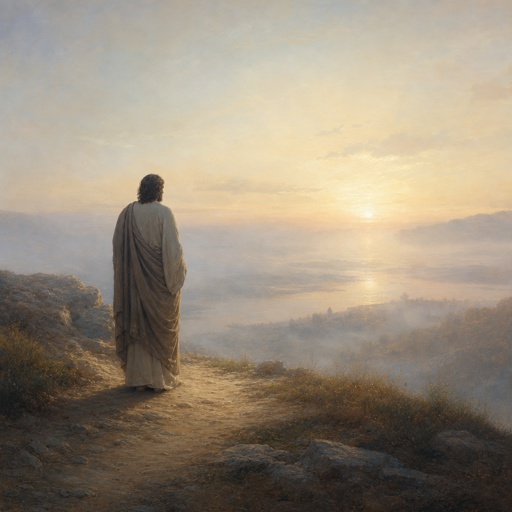
"For we are saved by hope: but hope that is seen is not hope: for what a man seeth, why doth he yet hope for?" - Romans 8:24

Romans 8:8 - "So then they that are in the flesh cannot please God."

Romans 8:19

Romans 8:28

Romans 8:31

Romans 13:8

Romans chapter 8

Romans 8:14

Romans 5:8

Romans 8:28

romans 8:38

Romans 8:35

Romans 15:25 - "But now I go unto Jerusalem to minister unto the saints."

Romans 4:25 - "Who was delivered for our offences, and was raised again for our justification."

Romans 5:8

Romans 8:28

Romans 13:8

Romans 8:6

Romans 5:8

Romans 8:16