What does Romans 7:16 mean?
"If then I do that which I would not, I consent unto the law that it is good." - Romans 7:16

Romans 7:16 (KJV) states, "If then I do that which I would not, I consent unto the law that it is good." This verse is found within the broader context of Paul's letter to the Romans, a significant and influential text in Christianity. In this letter, Paul addresses the issue of sin and righteousness, the relationship between the law and grace, and the struggle with the sinful nature that is present in all human beings. The verse itself reflects Paul's personal struggles and his acknowledgment of the goodness of the law given by God.
The theme of the verse revolves around the internal struggle that Paul, and by extension all believers, face in their daily lives. The verse captures the tension between the desire to do what is right and the reality of giving into sin. This struggle is a common experience for Christians as they seek to live out their faith in obedience to God's commands. The verse acknowledges the human tendency to go against one's own moral compass and act in ways that are contrary to what one knows is right.
The context of Romans 7:16 is Paul's personal reflection on the relationship between the law and sin. In the preceding verses, Paul grapples with the role of the law in exposing sin and the internal conflict that arises as a result. He acknowledges the inherent sinfulness of human nature and the inability to fully live up to the righteous standards set by God's law. This sets the stage for the declaration in verse 16, where Paul confesses his own struggle with doing what he knows he should not do.
The symbolism in Romans 7:16 lies in the tension between the human will and the divine law. The phrase "I do that which I would not" captures the inner conflict between the flesh and the spirit, as described by Paul elsewhere in his writings. The human will, influenced by sinful tendencies, is at odds with the desires of the spirit to live in alignment with God's law. This internal struggle is a central theme in Christian theology, as it reflects the ongoing battle against sin that believers face in their daily lives.
In acknowledging the goodness of the law, Paul affirms the divine origin and purpose of God's commands. Though he wrestles with the reality of his own sinfulness, he recognizes the inherent righteousness and goodness of the law as a standard for moral living. This highlights the tension between human frailty and God's perfect standards, and the ongoing need for grace and redemption found in Christ.
Overall, Romans 7:16 offers a deep and insightful commentary on the human condition and the ongoing struggle with sin. It speaks to the universal experience of wrestling with one's own shortcomings and the need for reliance on God's grace. The verse serves as a reminder of the complexity of human nature and the ongoing journey toward moral and spiritual growth. It also points to the foundational role of God's law in guiding and directing believers toward a life of righteousness and obedience.
Have questions about Romans 7:16?
Dive deeper into this scripture with Bible Chat — an AI-powered tool for exploring God's Word through conversation. Ask questions, get context, and grow in your understanding of the Bible.
Get Our Apps


Romans 7:16 Artwork

Romans 7:16 - "If then I do that which I would not, I consent unto the law that it is good."

"If then I do that which I would not, I consent unto the law that it is good." - Romans 7:16

Romans 16:7 - "Salute Andronicus and Junia, my kinsmen, and my fellowprisoners, who are of note among the apostles, who also were in Christ before me."

Romans 8:16

Romans 16:17

Romans 16:17

Romans 16:17

Romans 16:16 - "Salute one another with an holy kiss. The churches of Christ salute you."

Romans 8:15-16

Romans 3:16 - "Destruction and misery are in their ways:"

Romans 7:19

Romans 7:12

Romans 16:8 - "Greet Amplias my beloved in the Lord."

Romans 14:16 - "Let not then your good be evil spoken of:"

Romans 1:16 to the Jew first

Romans 16:6 - "Greet Mary, who bestowed much labour on us."

Romans 16:3 - "Greet Priscilla and Aquila my helpers in Christ Jesus:"

Romans 16:13 - "Salute Rufus chosen in the Lord, and his mother and mine."

"Destruction and misery are in their ways:" - Romans 3:16

Romans 16:24 - "The grace of our Lord Jesus Christ be with you all. Amen."

Romans 16:9 - "Salute Urbane, our helper in Christ, and Stachys my beloved."

Romans 16:22 - "I Tertius, who wrote this epistle, salute you in the Lord."

Romans 6:7 - "For he that is dead is freed from sin."

Romans 16:14 - "Salute Asyncritus, Phlegon, Hermas, Patrobas, Hermes, and the brethren which are with them."

Romans 16:27 - "To God only wise, be glory through Jesus Christ for ever. Amen."

Romans 9:16 - "So then it is not of him that willeth, nor of him that runneth, but of God that sheweth mercy."

Romans 11:16 - "For if the firstfruit be holy, the lump is also holy: and if the root be holy, so are the branches."
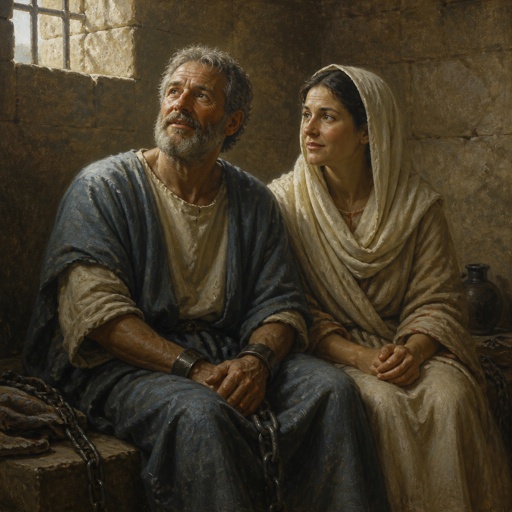
"Salute Andronicus and Junia, my kinsmen, and my fellowprisoners, who are of note among the apostles, who also were in Christ before me." - Romans 16:7

Romans 8:16 - "The Spirit itself beareth witness with our spirit, that we are the children of God:"

Romans 16:10 - "Salute Apelles approved in Christ. Salute them which are of Aristobulus' household."