What does Romans 7:12 mean?
"Wherefore the law is holy, and the commandment holy, and just, and good." - Romans 7:12

Romans 7:12 declares, “Wherefore the law is holy, and the commandment holy, and just, and good” (KJV). This verse is a part of a larger passage in which the apostle Paul reflects on the nature of sin and the struggle within himself between his desire to do what is good and his inclination towards sin. In this particular verse, Paul is emphasizing the importance and the positive nature of the law, which was given by God to guide and instruct His people.
The first part of the verse, “Wherefore the law is holy,” speaks to the purity and sacredness of God's law. The word “holy” denotes something that is set apart and dedicated to divine use. The law is considered holy because it emanates from the holy and righteous character of God. It is not tainted with the flaws and imperfections of humanity, but rather reflects the perfection and holiness of its divine author. In emphasizing the holiness of the law, Paul is reminding the Roman Christians of the divine origin and authority of the moral precepts they are called to follow.
The second part of the verse, “and the commandment holy, and just, and good,” further expounds on the positive attributes of the law. The law is not only holy, but it is also just and good. The term “just” refers to the fairness and equity of the law. It upholds and promotes righteousness, ensuring that individuals are treated fairly and justly. The word “good” signifies the beneficial nature of the law. It is not burdensome or oppressive, but rather serves the well-being and flourishing of those who adhere to it. Paul is adamant in conveying the idea that the law is not a source of frustration or bondage, but rather a guide that leads to life and peace.
In the broader context of the book of Romans, this verse holds significant meaning. Throughout the earlier chapters, Paul expounds upon the depravity of humanity and the universal need for salvation through faith in Jesus Christ. He contrasts the law, which reveals sin and condemns transgressions, with the grace of God, which brings about forgiveness and redemption through faith in Christ. However, in this particular passage, Paul is not denouncing the law as something negative or obsolete. Rather, he is affirming its positive and beneficial nature within the framework of God's redemptive plan.
The theme of the law and its relationship to sin and righteousness is a central focus in the book of Romans. Paul highlights the inability of the law to save or make righteous, while also acknowledging its importance as a standard of moral conduct and a revealer of sin. In this verse, Paul is affirming the goodness and righteousness of the law, acknowledging its role in shaping the moral consciousness of believers and guiding them in righteous living.
In addition to its thematic significance, this verse also carries symbolic weight. The law, which consists of the commandments and ordinances given by God, represents the standard of moral righteousness and divine expectation. It serves as a mirror that reflects the moral character of God and exposes the sinful nature of humanity. Furthermore, the law anticipates and foreshadows the coming of Christ as the ultimate fulfillment and embodiment of God's righteous requirements.
In conclusion, Romans 7:12 underscores the holiness, righteousness, and goodness of the law. It serves as a reminder to believers of the divine origin and positive nature of the moral precepts given by God. This verse also contributes to the broader theological themes in the book of Romans, addressing the role of the law in God's redemptive plan and its significance in shaping the moral conduct of believers. As believers reflect on this verse, they are prompted to appreciate the moral guidance of the law while recognizing its limitations in providing salvation, ultimately pointing to the saving grace found in Jesus Christ.
Have questions about Romans 7:12?
Dive deeper into this scripture with Bible Chat — an AI-powered tool for exploring God's Word through conversation. Ask questions, get context, and grow in your understanding of the Bible.
Get Our Apps


Romans 7:12 Artwork

Romans 7:12

Romans 7:12 - "Wherefore the law is holy, and the commandment holy, and just, and good."

"Wherefore the law is holy, and the commandment holy, and just, and good." - Romans 7:12

Romans 12:7 - "Or ministry, let us wait on our ministering: or he that teacheth, on teaching;"

"Or ministry, let us wait on our ministering: or he that teacheth, on teaching;" - Romans 12:7

Romans 12:2

Romans 12:2

Romans 12:2

Romans 12:2

Romans 12:2

Romans 12:2
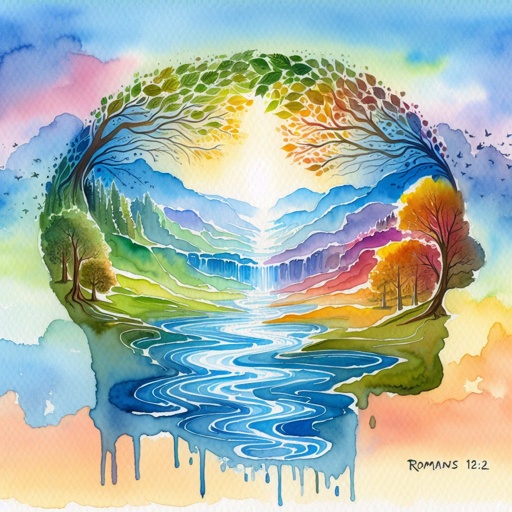
Romans 12:2

Romans 12:2

Romans 12:2

Romans 12:2

Romans 12:2

Romans 12:2

Romans 12:2

Romans 12:2

Romans 12:2

Romans 14:12

Romans 12:2

Romans 12:2

Romans 12:1

Romans 12:12 - "Rejoicing in hope; patient in tribulation; continuing instant in prayer;"

Romans 12:2

Romans 12:2

romans 12:2

Romans 12:1

Romans 7:19