What does Romans 6:11 mean?
"Likewise reckon ye also yourselves to be dead indeed unto sin, but alive unto God through Jesus Christ our Lord." - Romans 6:11

Romans 6:11 "Likewise reckon ye also yourselves to be dead indeed unto sin, but alive unto God through Jesus Christ our Lord."
In order to truly understand the depth and significance of Romans 6:11, it is important to delve into the context and themes of the book of Romans as a whole. The book of Romans, written by the apostle Paul, is widely known for its theological depth and comprehensive exploration of the Christian faith. It addresses essential theological concepts such as sin, grace, justification, and sanctification, making it a crucial text in understanding the core beliefs of Christianity.
In Romans 6:11, Paul is addressing the believers in Rome, exhorting them to live in the reality of their new identity in Christ. The verse begins with the word "Likewise," indicating that it is building upon the preceding argument in which Paul discusses the believer's identification with Christ in His death and resurrection. As Paul has already established in earlier verses, the believer has been united with Christ in His death, symbolizing the death of the old sinful self, and has been raised to new life with Christ, symbolizing the newness of life in Him (Romans 6:3-4).
The central theme of Romans 6:11 is the believer's participation in Christ's death and resurrection. The word "reckon" in this verse conveys the idea of considering something as true and applying it to one's life. Paul is instructing the believers to reckon, or consider, themselves as dead to sin and alive to God through Jesus Christ. This is a powerful declaration of the believer's new identity in Christ and the transformative power of the gospel.
The concept of being "dead indeed unto sin" emphasizes the believer's separation from the power and dominion of sin. Through the death of Christ, believers are set free from the bondage of sin and are no longer slaves to its control. This is a foundational truth of the Christian faith - that the believer is no longer defined by their past sins and sinful nature, but has been made new in Christ. Paul reiterates this truth in his letter to the Corinthian church, stating, "if anyone is in Christ, he is a new creation. The old has passed away; behold, the new has come" (2 Corinthians 5:17).
The second part of the verse, "alive unto God through Jesus Christ our Lord," speaks to the believer's new life in Christ. Through the resurrection of Jesus, believers are granted newness of life and are reconciled to God. This emphasizes the believer's restored relationship with God and their ability to live in obedience and fellowship with Him. This new life is not based on the believer's own efforts or merit, but is a result of their union with Christ and the work of the Holy Spirit within them.
The symbolism in Romans 6:11 is profound and carries significant implications for the Christian life. The imagery of death and resurrection is central to the Christian faith and serves as a powerful reminder of the believer's identification with Christ. The believer's old self, characterized by sin and rebellion against God, is symbolically put to death through their union with Christ on the cross. This signifies the end of the old way of life and the breaking of the power of sin over the believer's life.
Conversely, the believer is made alive in Christ, symbolizing the new birth and the beginning of a life characterized by righteousness, obedience, and communion with God. This imagery echoes the words of Jesus, who declared, "I came that they may have life and have it abundantly" (John 10:10). The believer's new life in Christ is marked by spiritual renewal, intimacy with God, and a growing conformity to the image of Christ.
In conclusion, Romans 6:11 encapsulates the transformative power of the gospel and the believer's new identity in Christ. It calls believers to reckon themselves as dead to sin and alive to God through Jesus Christ. This verse highlights the believer's union with Christ in His death and resurrection, emphasizing their separation from the power of sin and their newness of life in Christ. It serves as a powerful exhortation for believers to live in the reality of their new identity and to walk in the freedom and power that comes from their union with Christ.
Have questions about Romans 6:11?
Dive deeper into this scripture with Bible Chat — an AI-powered tool for exploring God's Word through conversation. Ask questions, get context, and grow in your understanding of the Bible.
Get Our Apps


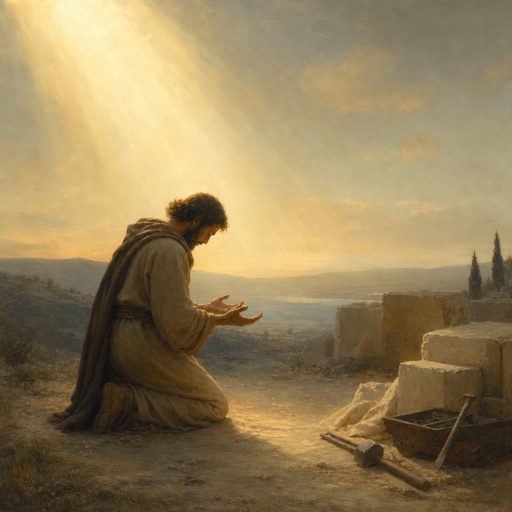
Romans 6:11 Artwork
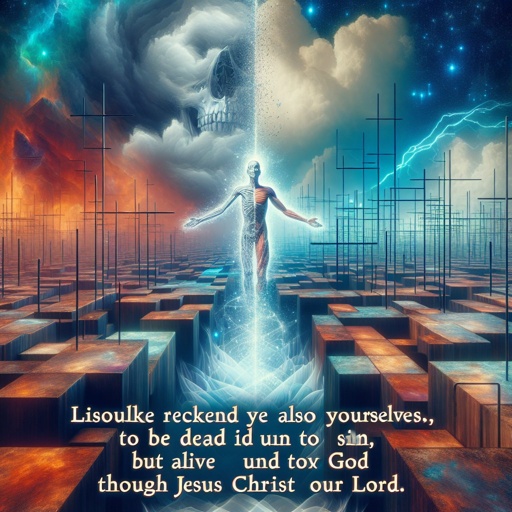
Romans 6:11 - "Likewise reckon ye also yourselves to be dead indeed unto sin, but alive unto God through Jesus Christ our Lord."

"Likewise reckon ye also yourselves to be dead indeed unto sin, but alive unto God through Jesus Christ our Lord." - Romans 6:11

Romans 11:6 - "And if by grace, then is it no more of works: otherwise grace is no more grace. But if it be of works, then is it no more grace: otherwise work is no more work."

Romans 6:23

Romans 6:23

Romans 11:11
Romans 11:6 And if by grace, then it is no longer of works; otherwise grace is no longer grace. But if it is of works, it is no longer grace; otherwise work is no longer work.

Romans 11:6 And if by grace, then it is no longer of works; otherwise grace is no longer grace. But if it is of works, it is no longer grace; otherwise work is no longer work.

Romans 11:18
Romans 11:18

Romans 11:18

Romans 11:18

Romans 11:18

Romans 11:18

Romans 11:18

Romans 8:11

Romans 8:6

Romans 5: 1-11

Romans 11:25-32

Romans 2:11 - "For there is no respect of persons with God."

Romans 5: 1-11
"And if by grace, then is it no more of works: otherwise grace is no more grace. But if it be of works, then is it no more grace: otherwise work is no more work." - Romans 11:6
"And if by grace, then is it no more of works: otherwise grace is no more grace. But if it be of works, then is it no more grace: otherwise work is no more work." - Romans 11:6

Romans 11:29 - "For the gifts and calling of God are without repentance."

Romans 6:7 - "For he that is dead is freed from sin."

Romans 3:11 - "There is none that understandeth, there is none that seeketh after God."

Romans 12:11 - "Not slothful in business; fervent in spirit; serving the Lord;"

Romans 10:11 - "For the scripture saith, Whosoever believeth on him shall not be ashamed."

"For there is no respect of persons with God." - Romans 2:11

Romans 2:6 - "Who will render to every man according to his deeds:"